

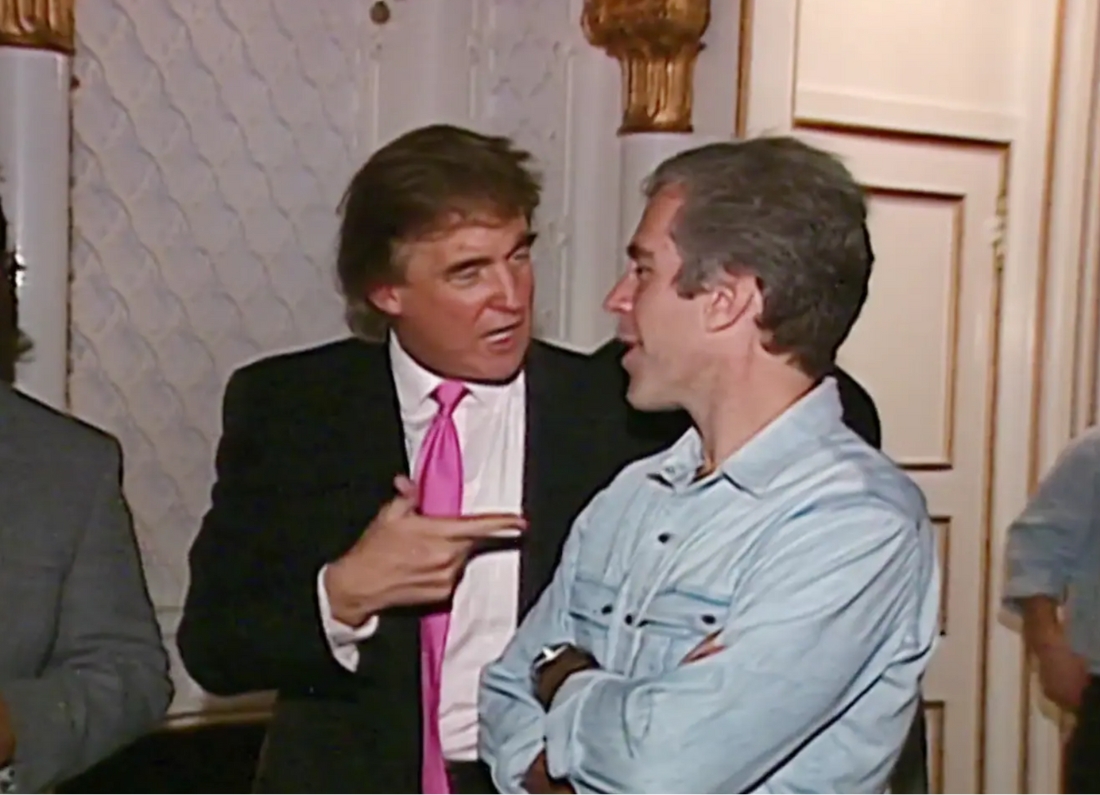
A newly surfaced FBI report included in the latest Jeffrey Epstein document dump has reignited one of the most combustible strands of the scandal: claims – not proven – that the late financier had connections to intelligence services.
The report, dated October 2020 and described as information provided by a “confidential human source”, alleges the source became convinced Epstein was a “co-opted Mossad agent” and that he was “trained as a spy” under former Israeli prime minister Ehud Barak. The document also references alleged notes taken from calls involving Harvard law professor Alan Dershowitz and Epstein, and suggests the source believed details were relayed to Israeli intelligence.
There is no public evidence in the material released so far that these claims were tested in court, backed by disclosed hard proof, or validated by investigators. Intelligence-tip reporting is not the same as an evidential finding, and unnamed-source claims about espionage are especially prone to misinformation.
What is clear is that the allegation is now being weaponised in an already bitter political fight inside Israel and across the wider Epstein fallout.
What the FBI report is – and what it is not
The key point for readers is that the report is characterised as a confidential-source account, meaning it reflects what an informant told the FBI at the time, not a conclusion the FBI necessarily reached.
That distinction matters. Confidential-source reporting can sometimes be valuable, but it can also be wrong, exaggerated, or shaped by the source’s own motives. In this case, the report’s most eye-catching language – that Epstein was “trained as a spy” – is presented as an allegation attributed to the source, not as a proven fact.
The document also touches on other claims and inferences involving prominent figures, but without the kind of corroboration that would normally be expected before treating the contents as established. For responsible reporting, the right approach is to describe what the report says, explain the limitations of the format, and set out what is known from other credible public record.
Why Ehud Barak is being pulled back into the story
The report’s mention of Barak comes against a background of already-public scrutiny of Epstein’s links to the former Israeli leader, which have been discussed in earlier reporting and in previously released Epstein-related material.
Barak, a former prime minister and defence minister, has faced questions in the past about his association with Epstein and why the two men remained in contact. That relationship – whatever its exact nature – has become a political flashpoint because Barak is also a long-standing critic of Benjamin Netanyahu.
The renewed attention escalated further after Netanyahu posted publicly about Barak and Epstein, arguing that Epstein’s proximity to Barak “doesn’t suggest Epstein worked for Israel” and using the moment to attack his domestic rival.
Barak has previously denied wrongdoing and has disputed characterisations of his ties to Epstein. The documents, however, ensure the issue remains live – and in a febrile political climate, allegations tend to spread faster than verification.
Dershowitz, “intelligence services”, and the problem of online amplification
The same FBI-source report also references Dershowitz, one of the most high-profile legal figures associated with the Epstein saga, and alleges that conversations about Epstein included claims he “belonged to both US and allied intelligence services”. That language is explosive – but again, the report presents it as part of what the source claimed to have heard or concluded, not as a proven determination.
Dershowitz has repeatedly denied wrongdoing connected to Epstein and has described allegations about him as false. The difficulty for media outlets is that any mention of intelligence agencies can act like a supercharger online: it draws in conspiracy communities and encourages sweeping claims far beyond what documents actually show.
A newsroom-standard approach is to keep the reporting narrow and evidence-led: describe the document, note that it is unverified, and avoid leaping from “a source alleged X” to “X is true”.
The politics of the Epstein document releases
The new material is emerging amid an intensifying political fight in the United States and beyond about how to interpret the broader Epstein record.
Separate strands of the documents have prompted calls for more testimony and accountability from public figures, and have triggered fresh demands for law enforcement to assess possible offences in the UK. In recent coverage, UK-related names connected to the wider Epstein network have also been discussed in the context of whether authorities should revisit allegations or examine new information.
At the same time, the volume of material being released – and the way it circulates online in fragments – makes misinterpretation easier. A single excerpt or screenshot can take on a life of its own, stripped of context about what a document is and how it should be read.
What we still do not know
At this stage, several basic questions remain unanswered in the public domain.
We do not know whether the specific claims in the October 2020 confidential-source report were corroborated by independent evidence, challenged by countervailing intelligence, or assessed as unreliable. We do not know what, if any, investigative steps were taken as a result.
We also do not know whether the informant had direct knowledge of any alleged espionage activity, or whether their account was based on inference, second-hand conversations, or interpretation of other information.
In other words, the report may be significant as a window into what was being alleged inside investigative channels – but it is not, on its own, proof of an intelligence relationship.
Why this matters for readers
The Epstein story has always been about power, access and influence – and the latest allegation feeds directly into that narrative. If claims about intelligence links take hold without evidence, they can distort public understanding, fuel prejudice, and distract from verified wrongdoing and accountability for victims.
For now, the responsible bottom line is straightforward: a confidential-source FBI report included in newly released Epstein files contains allegations relating to spying and Israeli intelligence, but those claims are unproven and should be treated with caution until verified through credible evidence.
You may also like: Nigel Farage faces fresh questions after Epstein email surfaces










Leave a Reply