

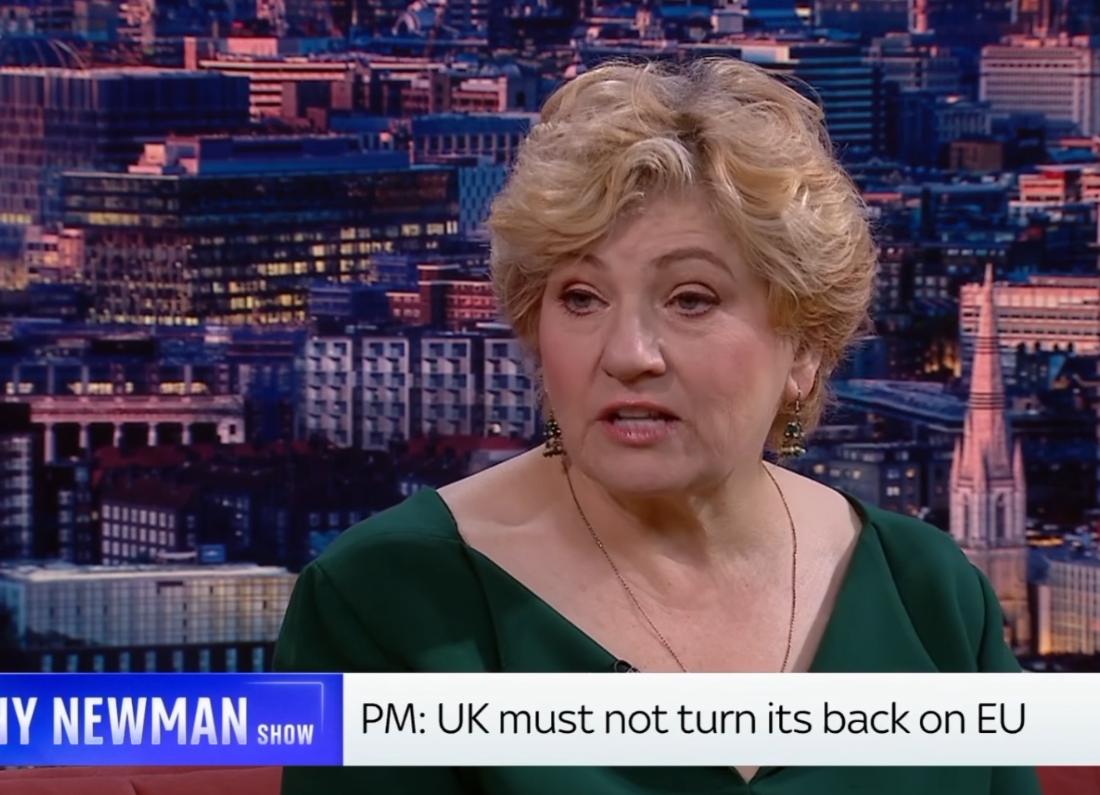
Dame Emily Thornberry has argued that Britain could rejoin the European Union without holding another referendum, saying Labour could instead seek a mandate for membership through a general election manifesto.
The senior Labour MP and chair of the Foreign Affairs Committee said she believed Brexit had been a “disaster” and that the question of returning to the EU should no longer be treated as politically untouchable.
Speaking to Sky News, Thornberry said Labour could put a clear commitment to rejoin in its manifesto at the next general election and allow voters to decide through the normal electoral process.
She said:
“We need to have a democratic decision, so we ought to be putting it somehow. I don’t think we need to have another referendum but what we can do is have it in the manifesto and then people can have a choice.
“Do they want to have this current relationship with the European Union or do they want to be back in the EU, if that’s what our policy is.
“I would say, let’s not bother with another referendum, let’s just have it as a general election.”
Thornberry acknowledged that she was probably in a minority within Labour on the question, but rejected warnings that reopening the Brexit debate would be too divisive.
Asked about those who wanted politicians to avoid returning to the arguments of 2016, her message was blunt:
“Get over it.”
Thornberry says Brexit is no longer a ‘sacred cow’
Her intervention comes after Andy Burnham dramatically reopened the debate over Britain’s long-term relationship with the EU.
The prime minister used Labour conference to say Brexit had caused “more harm than good” and confirmed that his government would consider a range of options, including a customs union, closer single-market arrangements and potentially full EU membership.
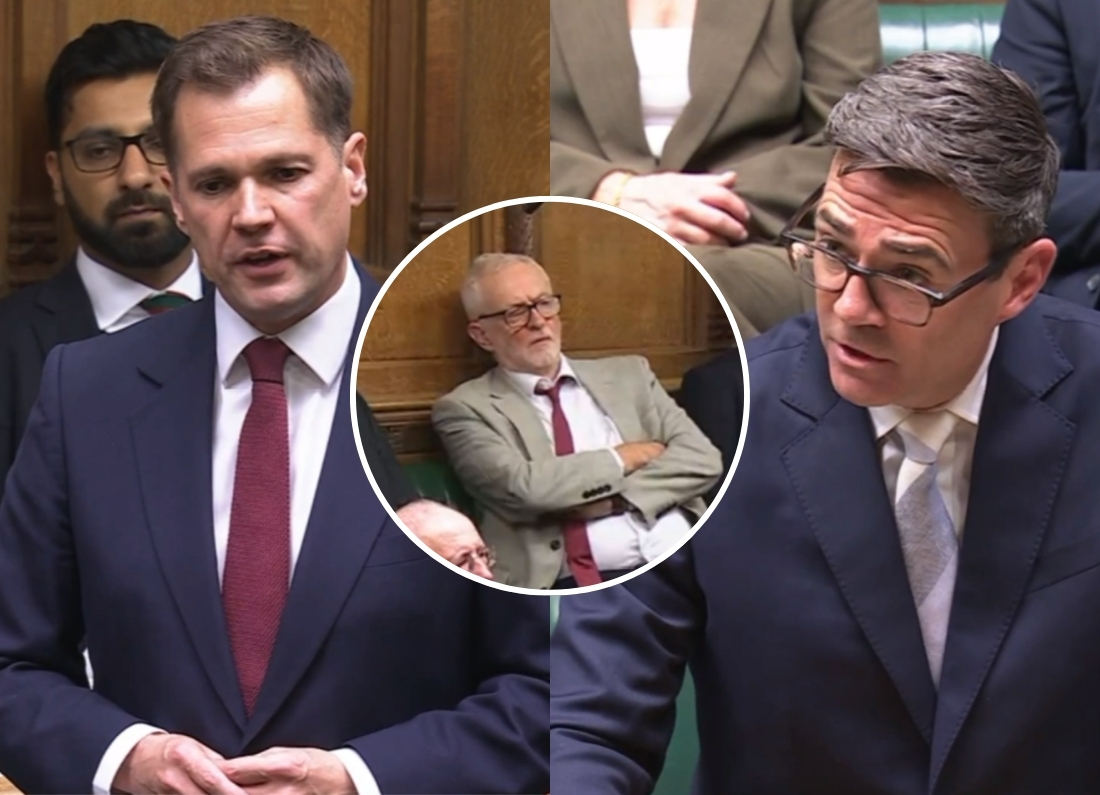
In the Commons this week, Burnham said securing deeper cooperation with Europe was an “immediate priority” ahead of next month’s UK-EU summit in Brussels.
He has not committed Labour to rejoining the EU and has previously indicated that a referendum remains one possible route if membership eventually becomes government policy.
Thornberry wants Labour to go further.
She told Sky News:
“Why shouldn’t we talk about it when the majority of people agree with me that Brexit was a disaster, and we ought to get back into the European Union?”
Her argument is essentially that a general election can provide a democratic mandate in exactly the same way governments regularly win authority to implement major constitutional, economic and foreign-policy changes contained in their manifestos.
If Labour openly promised EU membership before an election and voters then returned the party to government, Thornberry believes another standalone public vote would be unnecessary.
Could Britain legally rejoin without a referendum?
There is no constitutional rule requiring Britain to hold another referendum before applying to rejoin the European Union.
Referendums in the UK take place because Parliament legislates for them. They are not automatically required for major constitutional changes.
Parliament remains legally sovereign and could approve legislation necessary for a future government to apply for EU membership if ministers had sufficient support in the Commons.
Britain originally joined the European Economic Community in 1973 without a referendum. The public vote held in 1975 asked whether the country should remain a member after accession had already taken place.
The 2016 referendum was also technically advisory in constitutional terms, although the government had made a clear political commitment to implement the result.
So Thornberry is right that another referendum is not legally essential.
The harder question is political legitimacy.
Britain’s membership of Europe has now been tested directly with voters twice, in 1975 and 2016. Rejoining through a general election victory, particularly under first-past-the-post, would inevitably produce arguments over whether a party winning well below 50 per cent of the national vote had received a sufficient mandate to reverse the result of a dedicated referendum.
Most people who want to rejoin still want another vote
The latest polling makes Thornberry’s position particularly interesting.
YouGov asked voters this month what should happen if the government negotiated a deal to rejoin the EU.
Some 64 per cent said there should be another referendum before Britain returned, while just 23 per cent thought the government should be able to make the decision without one.
Support for a referendum crosses party lines.
It is backed by 59 per cent of Labour voters, 60 per cent of Green voters, 50 per cent of Liberal Democrats and 80 per cent of Conservatives. Among Reform voters, the figure rises to 88 per cent.
Perhaps more strikingly, even among people who say they would vote to rejoin the EU, 54 per cent still want a referendum before membership is restored.
That creates an unusual position in public opinion.
The same YouGov poll found that 52 per cent of Britons would vote to rejoin the EU if a referendum were held, compared with only 27 per cent who would vote to remain outside.
In other words, rejoining currently enjoys a large lead, but the route Thornberry is proposing does not.
Lewis Goodall calls it a ‘democratic outrage’
Thornberry’s proposal has drawn criticism from people who themselves opposed Brexit.
Journalist Lewis Goodall, who voted Remain in 2016, said returning to the EU without another direct public vote would lack legitimacy.
He wrote:
“There is no way that re-accession would have legitimacy as a new settlement without a direct democratic reversal of the last referendum.”
Goodall accepted that Parliament was legally entitled to act but argued that the constitutional and political precedent created by the previous referendums could not simply be ignored.
He said:
“Sure, Parliament is sovereign, it can do what it wants. But our membership of the EU has been assented to or rejected by direct referendum twice. The constitutional principle has been well established.”
He also raised a practical problem for supporters of Thornberry’s approach. If a Labour government could take Britain back into the EU solely on the basis of a manifesto commitment, a future Conservative or Reform government could argue that it had an equal right to take the country back out without a referendum.
That uncertainty could itself become an issue during any future accession negotiations.
Even pro-EU voices are uneasy about skipping a referendum
The London Economic, which has consistently supported reversing Brexit, published an editorial arguing that Thornberry’s route would be a mistake.
It pointed to Labour’s 2024 landslide, when the party secured a large Commons majority with 33.7 per cent of the national vote, as an example of why winning a general election does not necessarily amount to majority public support for every manifesto promise.
The paper argued that Labour should instead promise a referendum on a negotiated re-entry deal.
That would allow voters to judge the actual terms of membership rather than voting on a general election dominated by dozens of other issues including the NHS, taxation, housing and immigration.
It would also provide the EU with greater certainty that any new settlement had direct public consent.
Rejoining would involve a new negotiation anyway
Even if Britain decided politically that it wanted to return, it could not simply restore the exact membership arrangements it had before Brexit.
The UK would need to apply under Article 49 of the Treaty on European Union and secure the unanimous approval of existing member states.
Negotiations would cover areas including the EU budget, freedom of movement, regulation and Britain’s relationship with policies such as Schengen and the euro.
A new report from Best for Britain has argued that Britain could potentially complete the process within one parliamentary term because much UK law remains aligned with EU standards and the country already meets many of the institutional requirements for membership.
Others are more cautious and warn that Britain’s size, political history and the terms of any exemptions could make negotiations substantially more complicated.
European leaders have nevertheless become notably more open about the possibility.
French president Emmanuel Macron responded “Welcome back” when asked about Burnham putting rejoining on the table, while Spanish prime minister Pedro Sánchez has also said Britain would be welcomed if it chose to return.
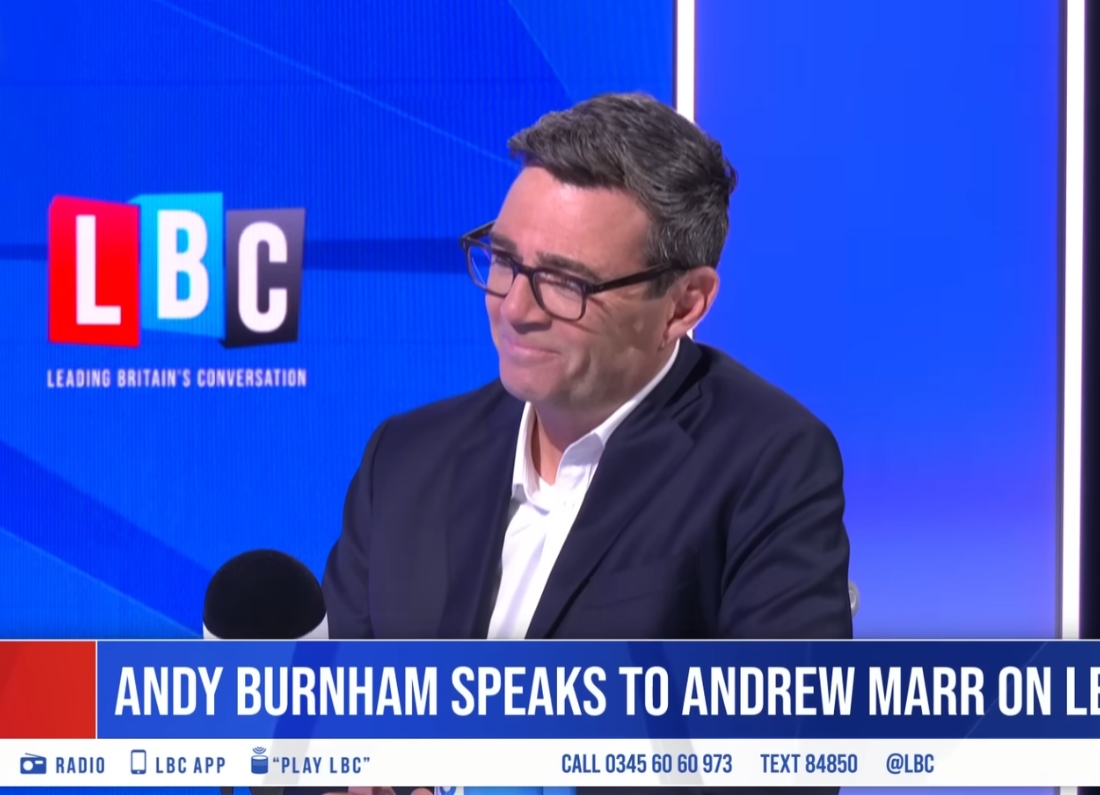
Burnham has not backed Thornberry’s route
The prime minister has so far avoided committing himself either to rejoining or to the mechanism that would be used if Labour eventually supported it.
His immediate priority is next month’s UK-EU summit and securing closer economic cooperation.
Burnham has said he wants a national discussion about Britain’s relationship with Europe before making longer-term decisions, and has left everything from the existing settlement to full membership open for consideration.
That leaves Thornberry pushing the debate significantly further than current government policy.
Her argument is no longer that Britain should simply reconsider Brexit.
It is that, if Labour ultimately decides the country should return to the EU, voters could settle the issue through a general election rather than reopening the referendum campaign that dominated British politics for years.




Leave a Reply