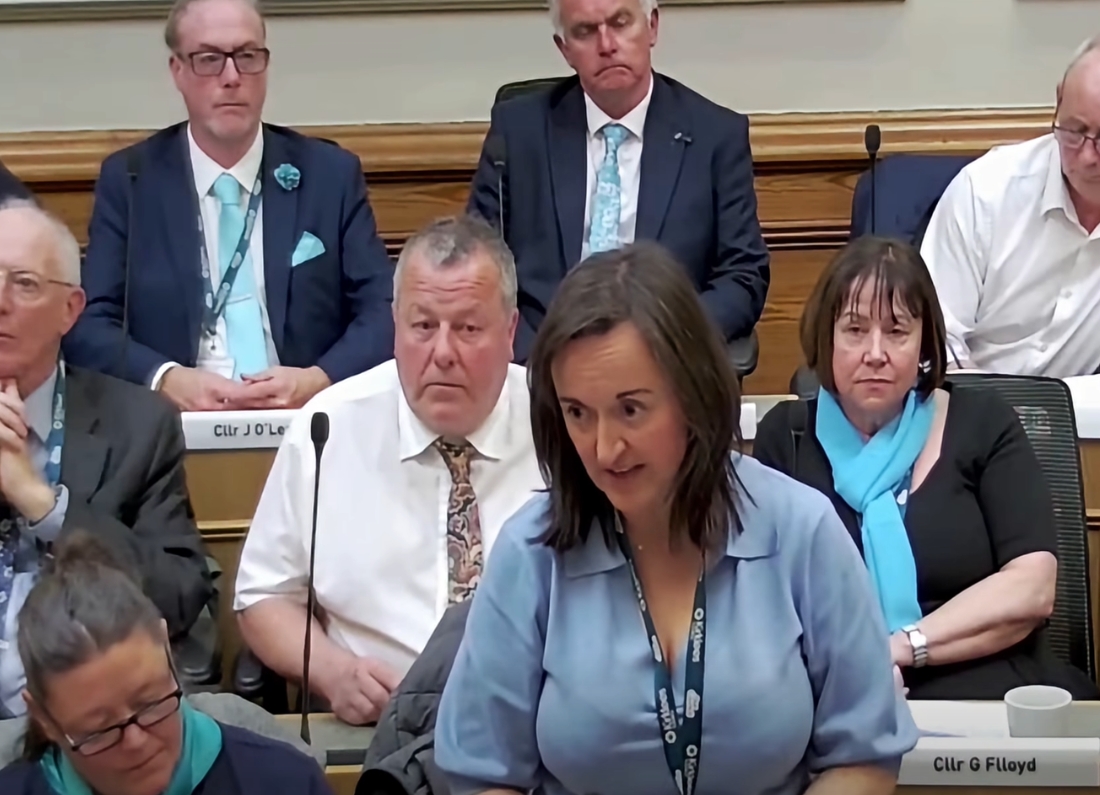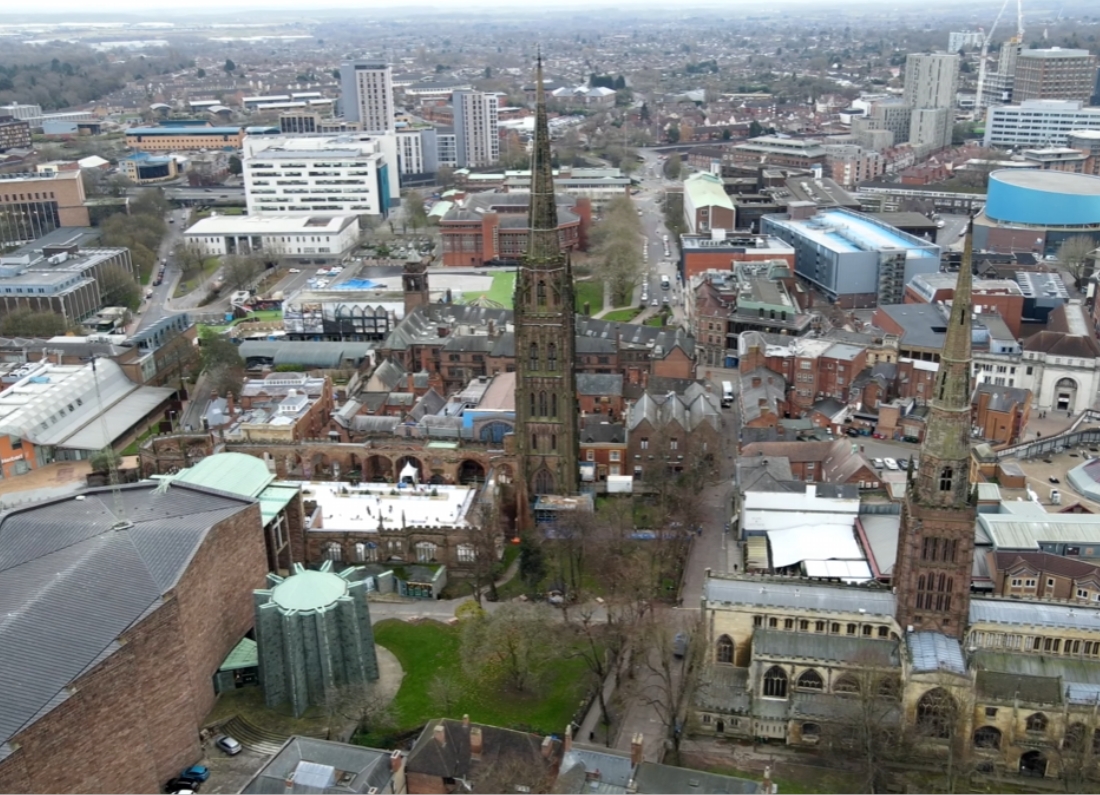
Labour has lost control of Coventry City Council for the first time since 2010 after Reform UK won 20 seats in the city’s most dramatic local election in over two decades – leaving Coventry in no overall control for the first time in 16 years, with no party close to the 28 seats needed for a majority.
All 54 seats across all 18 wards have now declared in the city’s biggest election since 2004 – the result of a major boundary review that contested every seat simultaneously for the first time in a generation. The final totals are:
- Labour: 24 seats (down from 39)
- Reform UK: 20 seats (up from effectively 0)
- Conservatives: 6 seats (down from 10)
- Green Party: 4 seats (up from 2)
Labour’s majority has been obliterated. In 2022, the party held 39 of 54 seats. It now holds 24 – a loss of 15 seats in a single night. Reform, which had no meaningful local government presence in Coventry before today, is now the second largest party on the council.
The final ward-by-ward results
Reform UK gains:
- Binley and Willenhall – Reform gain (all 3): Paul Cowley 1,958 / Marcus Fogden 1,735 / Jennifer Odje 1,648
- Sherbourne – Reform gain (all 3): Jackie Gardiner 2,119 / Charles Phillips 1,892 / Daniel Stainton 1,828
- Bablake – Reform gain (all 3): Lisa Boyle 1,987 / Jamie Fearn 1,820 / Jennifer Wells 1,741
- Wyken – Reform gain (all 3): Frank Beechey 2,131 / Dawn McCann 2,060 / Andrew Bullock 2,019
- Tile Hill and Canley – Reform gain (all 3): Marcus Lapsa 1,951 / William Davies 1,945 / Steve Keough 1,789
- Henley – Reform gain 2 of 3: Mel Gregory 1,755 / Alistair Cole 1,722 / Ed Ruane (Labour) 1,573
- Woodlands – Reform gain 2 of 3: Adrian Bryant 1,909 / Julia Lepoidevin (Conservative) 1,827 / Dunc Clark 1,820
- Longford – Reform gain 1 of 3: Amor Albert 1,629 / Linda Bigham (Labour) 1,582 / George Duggins (Labour) 1,489
Labour holds:
- Radford – Labour hold (all 3): Angela Hopkins 1,583 / Patricia Hetherton 1,481 / Mal Mutton 1,367
- Lower Stoke – Labour hold (all 3): Shahnaz Akhter 1,718 / John McNicholas 1,671 / Rupinder Singh 1,690
- Foleshill – Labour hold (all 3): Abdul Salam Khan 1,934 / Shakila Nazir 1,828 / Habib Rehman 1,689
- Upper Stoke – Labour hold (all 3): Kamran Caan 1,708 / Amirjit Kaur 1,506 / Gurdev Hayre 1,505
- Whoberley – Labour hold (all 3): Jayne Innes 2,026 / Pervez Akhtar 1,877 / Julie Jones 1,785
- Earlsdon – Labour hold (all 3): Kindy Sandhu 2,373 / Lynnette Kelly 2,232 / Antony Tucker 2,110
- St Michael’s – Labour hold 2 of 3: Naeem Akhtar 1,633 / Matt Greenhalgh (Green) 1,554 / Sanjida Jobbar 1,414
- Cheylesmore – Mixed: Roger Bailey (Conservative) 2,154 / Richard Brown (Labour) 1,446 / Barbara Mosterman (Conservative) 1,736
Conservative holds:
- Wainbody – Conservative hold (all 3): John Blundell 2,516 / Mattie Heaven 2,475 / Pratibha Reddy 2,208
- Cheylesmore – Conservative hold 2, Labour 1 (see above)
- Woodlands – Conservative hold 1, Reform gain 2 (see above)
Green Party gains:
- Holbrooks – Green gain (all 3): Stephen Gray 2,098 / Esther Reeves 1,750 / Tom Jewell 1,704
- St Michael’s – Green gain 1 (see above): Matt Greenhalgh 1,554
Who lost their seat – and who survived
Jim O’Boyle – Labour’s cabinet member for jobs, regeneration and climate change lost his seat in St Michael’s. One of the most prominent Labour figures on Coventry City Council is no longer a councillor.
Gary Ridley – the Conservative group leader lost his seat in Woodlands to Reform, with Adrian Bryant and Dunc Clark taking two of the three seats and only Julia Lepoidevin holding on for the Conservatives.
George Duggins – Coventry Labour group leader survived in Longford with 1,489 votes, though Reform took one of the three seats in his ward. He retains his position but leads a council group that has lost its majority.
Lindsley Harvard – Labour veteran lost his Longford seat to Reform’s Amor Albert.
What no overall control means for Coventry
The last time Coventry was in no overall control was in the period following the 2004 all-seats election – the last comparable contest before this one – when no party won a majority and the Conservatives held the upper hand with 27 seats. Labour regained control in 2010 and has held it unbroken for 16 years until tonight.
With 24 seats, Labour remains the largest party but is four seats short of a majority. Governing will require either a minority administration – relying on the support of other parties case-by-case – or a formal arrangement with another group. The Conservatives hold 6 seats, the Greens 4. Labour plus Greens would reach 28 – exactly a majority – making the Green group the kingmakers in any Labour-led arrangement.
The political negotiations that now follow will determine who governs Coventry – and how – for the next four years, including the crucial period when the Premier League money from Coventry City’s top-flight return will reshape the city’s economic and cultural landscape.
The national context
Coventry’s result mirrors the national picture. As we reported in our live updates on the national local election results, Reform made sweeping gains across England while Labour suffered one of its worst mid-term local election performances in modern history. In Wigan, Labour lost all 22 seats it was defending. Nationally, Labour lost hundreds of councillors. Keir Starmer said he was “not going to walk away” but faced calls from his own MPs to set a timetable for his departure.
In Coventry, the pattern is consistent with the national story – but with its own specific geography. Reform has swept the outer suburban wards: Binley, Sherbourne, Bablake, Wyken, Tile Hill and Canley. Labour has held its more diverse, urban and working-class communities: Foleshill, Radford, Lower Stoke, Upper Stoke, Whoberley. The Green Party has consolidated its position in Holbrooks and made a foothold in St Michael’s.
It is, in the end, a map of Coventry’s communities drawn by the politics of 2026.