

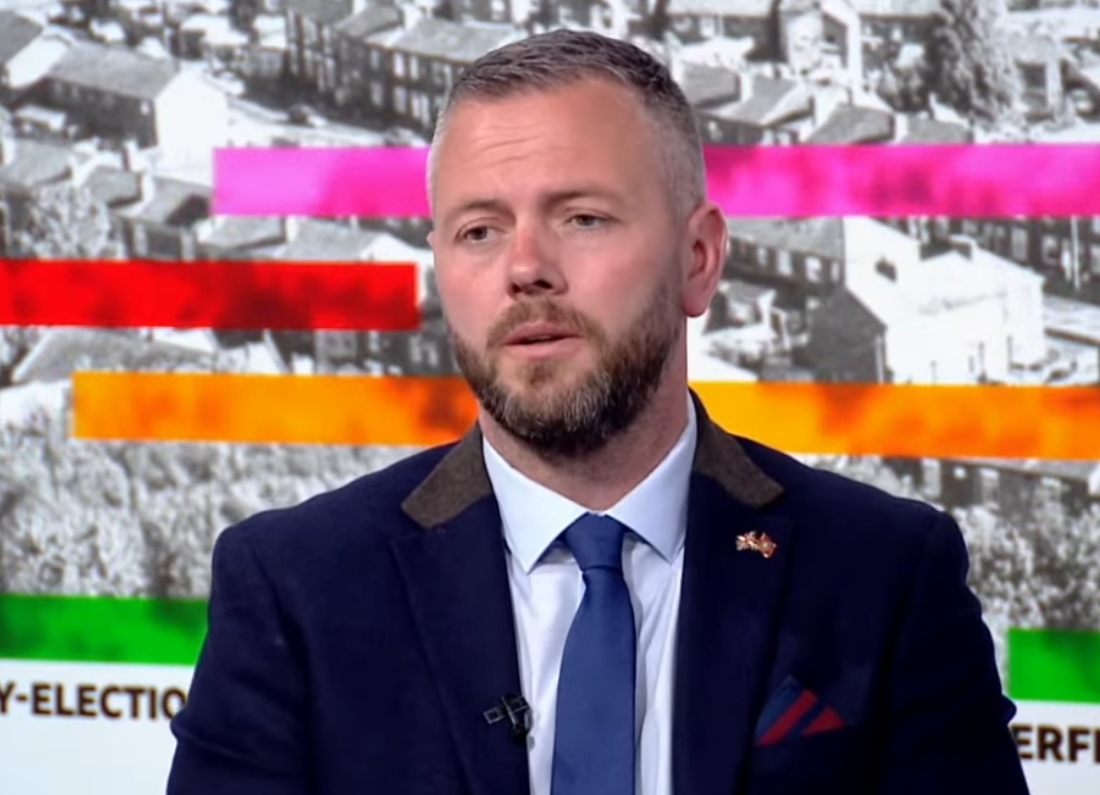
Andrew Gwynne is expected to step down as Labour MP for Gorton and Denton on medical grounds, a move that would trigger a by-election in a Greater Manchester seat where Reform finished second at the 2024 general election.
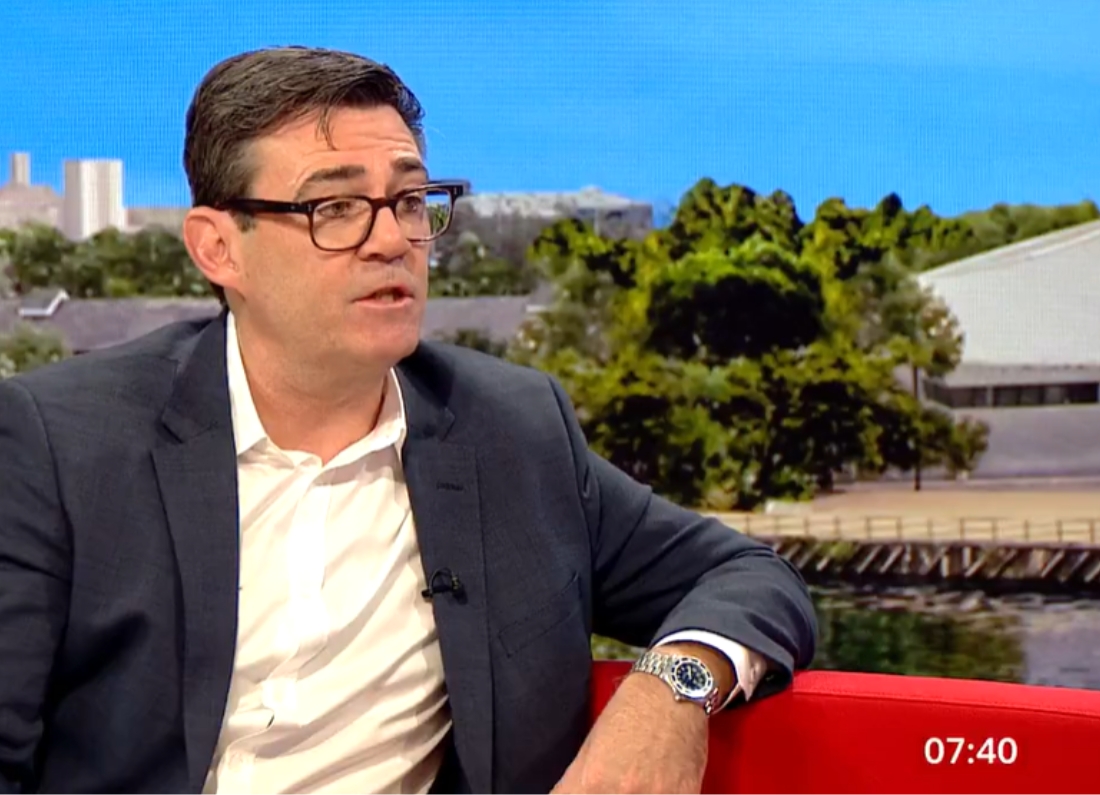
If confirmed, the resignation would also reopen a long-running Westminster question: whether Andy Burnham, the three-term Mayor of Greater Manchester, could be tempted back to Parliament at a moment when Labour is battling internal nerves over authority, direction and the electoral threat from Reform.
Gwynne has been sitting as an independent while awaiting the outcome of a parliamentary standards process after Labour suspended him over offensive messages in a WhatsApp group – an episode which saw him removed from his ministerial role at the time.
🚨 A resignation that could force Labour into a high-stakes by-election
Sky News has reported that Gwynne is expected to retire from Parliament and that the move would trigger a by-election in Gorton and Denton. The seat matters because it sits in a wider political pressure zone around Greater Manchester, and because Reform’s second-place finish there in 2024 has made party strategists far less relaxed about contests they once assumed were safe.
At the last general election (4 July 2024), Gwynne held the seat for Labour with a majority of 13,413, on a turnout of 47.8%. Labour will still start as favourites in any by-election, but the timing would be awkward: national polling volatility, heightened attention on defections and internal party rows, and the approaching cycle of elections that parties treat as a momentum test.
🧾 Why Gwynne has been sitting as an independent
Gwynne was suspended by Labour after the emergence of WhatsApp messages described as offensive, and he has since been awaiting the outcome of a standards process. The Guardian reported at the time that he apologised for the messages and was removed from his government post.
In recent comments reported by Sky, Gwynne has spoken about how debilitating mental illness and depression can be, and the expectation being briefed is that the resignation would be on medical grounds.
🗳️ The Burnham question and why it won’t be straightforward
The political intrigue here isn’t just the by-election – it’s the name that keeps getting floated around it.
Burnham is one of Labour’s most prominent regional figures, first elected Mayor of Greater Manchester in 2017 and then re-elected in 2021 and 2024. A route back to Westminster would require him to become an MP again, and a by-election in Greater Manchester would be the obvious opening – but it would come with trade-offs.
Stepping down as mayor early would mean breaking an expectation that he serves his current term, and it would also trigger a mayoral election. In a climate where Labour is trying to project discipline and stability, handing opponents an extra contest – with extra cost and extra risk – is exactly the kind of complication party managers tend to hate, even when the potential candidate is popular.
🧠 Internal Labour politics: why a by-election becomes a proxy battle
Even if Burnham wanted it, any candidacy would still need internal approval processes – and those processes can become political battlegrounds when factions suspect a by-election is really about the leadership conversation rather than just holding a seat.
That’s why the seat is likely to attract heavy scrutiny no matter who Labour selects. The party won comfortably in 2024, but Reform’s second-place showing means Labour can’t treat the contest like a box-ticking exercise. A by-election campaign that becomes a national story tends to pull in national arguments: leadership strength, competence, trust, and whether Labour is losing grip of its coalition.
🔥 Reform’s opportunity – and Labour’s warning light
Reform has been explicit in recent months that it intends to “throw everything” at by-elections where it senses a path to a shock result, and a Greater Manchester contest – especially one tied to a resignation story – is exactly the kind of narrative arena it likes.
The basic political reality is this: by-elections are rarely won on spreadsheets. They’re won on mood, message discipline, local ground game, and whether one side convinces voters that “sending a message” is worth the risk. The more a contest looks like Westminster drama, the more it rewards parties that campaign like wrecking balls.
🧩 What happens next
If and when Gwynne formally steps down, Parliament will set the process in motion for a by-election. Until that resignation is confirmed, Labour will be preparing two tracks at once: a “hold the seat” local campaign plan, and a “keep control of the narrative” national comms plan – because the second often decides the first.
And over everything hangs the same question: is this simply a difficult personal departure that triggers a routine contest, or does it become a high-profile test of Labour’s authority – with Burnham speculation as the spark and Reform as the accelerant?

Leave a Reply