

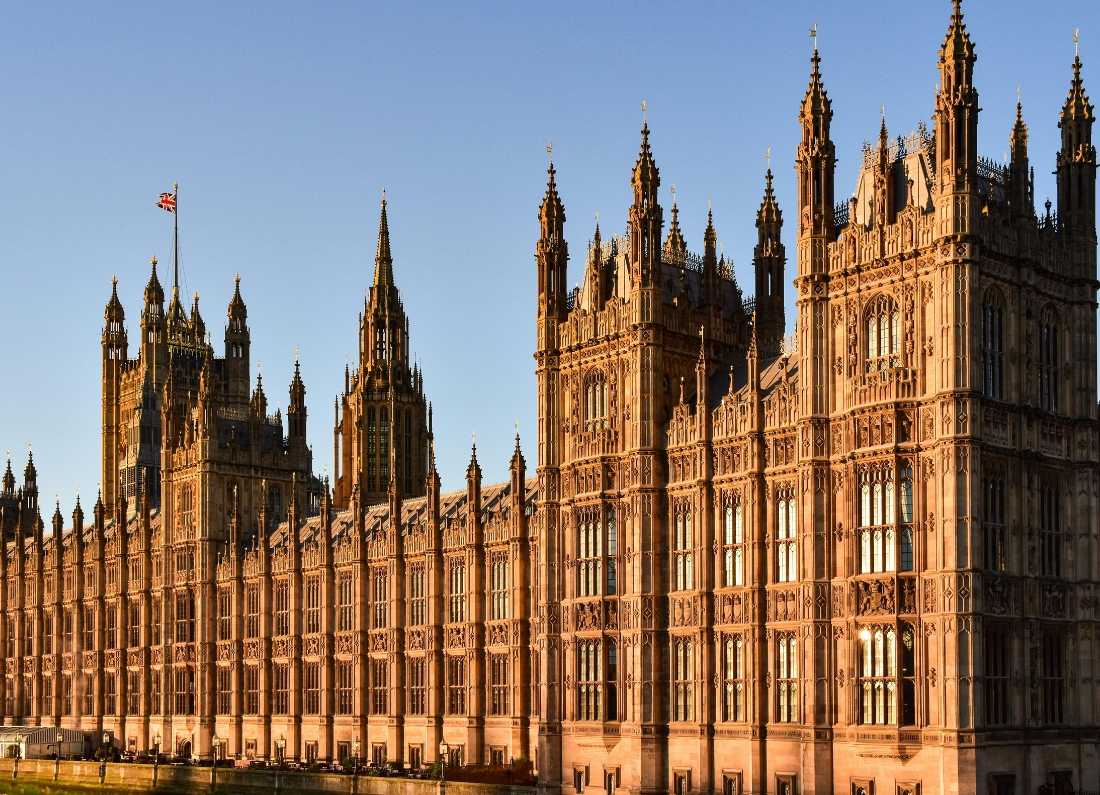
Millions of 16 and 17-year-olds could soon gain the right to vote in UK general elections under sweeping electoral reforms that have cleared the House of Commons, alongside new restrictions on overseas political donations and cryptocurrency funding.
The Representation of the People Bill was approved by MPs by 411 votes to 102, a majority of 309, in a significant step towards changing who can participate in British elections and how political parties raise money.
The legislation would lower the voting age to 16, introduce greater automation of voter registration and strengthen protections for candidates and electoral officials.
It also contains measures designed to reduce the risk of foreign financial interference in British politics, including an annual £100,000 cap on donations from overseas electors and a moratorium on political donations made directly in cryptocurrency.
The reforms come amid growing scrutiny of political funding and the influence of wealthy individuals on British elections, particularly following multimillion-pound donations to Nigel Farage’s Reform UK.
But while the Commons has approved the package, the changes are not yet law. The legislation has progressed to the House of Lords, where peers are preparing to examine its detailed provisions.
Sixteen and seventeen-year-olds set to gain the vote
The most significant change for ordinary voters is the proposal to extend the franchise to 16 and 17-year-olds.
At present, the voting age for UK general elections is 18, although younger voters can already participate in Scottish Parliament and local government elections in Scotland, as well as Senedd and local elections in Wales.
The new legislation would extend voting rights more consistently across the country, allowing 16 and 17-year-olds to participate in UK parliamentary elections.
Supporters argue that young people are already affected by decisions on education, housing, employment, public services and taxation, and should therefore have a say in choosing the politicians responsible for those policies.
They also point out that many young people can work, pay taxes and make important decisions about their futures before turning 18.
Opponents have questioned whether lowering the voting age is necessary and whether young people should have additional opportunities to develop their political knowledge before participating in general elections.
The bill would represent one of the most substantial expansions of the British electorate in decades.
However, the practical date on which newly eligible voters could first cast a ballot will depend on the legislation completing its remaining parliamentary stages and the relevant provisions being brought into force.
£100,000 cap on donations from overseas electors
Alongside the expansion of voting rights, ministers are proposing tighter restrictions on the funding of political parties.
Under the bill, British citizens living abroad who remain eligible to donate to UK political parties would face an annual limit of £100,000.
The cap would also cover certain regulated financial transactions, including political loans.
The government argues that the existing system creates opportunities for wealthy individuals with overseas connections to exercise disproportionate influence over British politics.
The proposed restriction follows the Rycroft Review, an independent examination of the risks of foreign financial influence and interference in UK elections.
The review recommended strengthening protections around political donations, particularly where funds originate from individuals who live outside the country.
Importantly, the proposed limit does not mean all donations from abroad are currently illegal, nor would it prevent every British citizen living overseas from supporting a political party.
Eligible overseas voters would still be permitted to donate, but within the proposed annual limit.
The legislation also includes provisions intended to prevent donors from immediately avoiding the cap by returning to live in Britain.
Under the proposed residency rules, certain returning overseas electors would remain subject to the restriction until they had been back in the UK for a full calendar year.
Cryptocurrency donations face moratorium
The bill would also suspend direct political donations made using cryptocurrency.
Ministers argue that digital assets can create additional difficulties when regulators attempt to identify the original source of money flowing into political campaigns.
The government says the restriction is necessary to protect the integrity of elections and reduce the potential for foreign interference.
Unlike the overseas donation cap, which would still allow contributions up to a defined amount, the cryptocurrency measure is intended to prohibit direct donations using cryptoassets while the moratorium remains in force.
The distinction matters because owning cryptocurrency or making money from cryptocurrency investments would not automatically prevent somebody from donating ordinary sterling to a political party.
Government guidance acknowledges that donations made in conventional currency after cryptocurrency has been converted raise separate questions about the tracing and regulation of funds.
The moratorium therefore targets the method of donation rather than imposing a blanket prohibition on political contributions from everybody involved in the cryptocurrency industry.
Ministers have said that any future decision to allow cryptocurrency donations again would depend on sufficient regulation and confidence in transparency.
New rules arrive amid scrutiny of Reform UK’s funding
The reforms carry particular political significance because of the extraordinary sums raised by Reform UK.
Nigel Farage’s party has received two donations of £36 million each from cryptocurrency entrepreneurs Christopher Harborne and Ben Delo, providing it with a substantial financial advantage as it prepares for future elections.
The size of those contributions has intensified debate about whether Britain’s political donation system allows wealthy individuals to exert too much influence.
However, the proposed cryptocurrency moratorium should not be confused with a ban on donations from people who have made their fortunes in digital assets.
A donation made legally in sterling is not prohibited simply because its donor works in the cryptocurrency industry.
Similarly, the £100,000 overseas cap applies according to the proposed legal definitions concerning donors’ residence and eligibility, not simply because somebody has international business interests.
Reform has defended its fundraising arrangements and maintains that its donations comply with electoral law.
The legislation nevertheless illustrates the growing political concern about how parties are financed and whether existing transparency requirements are sufficient.
The Liberal Democrats and Greens have called for stronger restrictions, including broader limits on the total amounts individuals can donate.
The government has opted for targeted measures dealing with overseas contributions and particular financial risks rather than introducing a universal cap on political donations.
Ministers argue the reforms will protect democracy
The government says the legislation is intended to modernise elections while improving public confidence in the political system.
Communities Secretary Angela Rayner has described the measures as necessary to protect Britain’s democratic processes from hostile interference.
“This bill strengthens our elections and takes a stand against hostile actors at home and abroad who seek to threaten them,” she told MPs, according to the reported Commons remarks.
“It extends the franchise to 16 and 17-year-olds, and automates voter registration. It protects candidates and officers, and introduces new tougher rules around political donations.”
The bill also proposes changes to voter registration and the enforcement powers of the Electoral Commission.
Automated registration measures are intended to make it easier for eligible citizens to appear on electoral registers, reducing the risk that people miss opportunities to vote because of unnecessary administrative obstacles.
Other provisions address the safety of election candidates, elected representatives and officials involved in running elections.
The legislation would strengthen the framework for dealing with threatening behaviour and certain offences targeting people taking part in democratic processes.
Ministers argue that elections must be both accessible to voters and protected against intimidation and improper influence.
Donation restrictions could apply retrospectively
One of the most consequential aspects of the financial reforms is their proposed retrospective effect.
The government announced its intention to restrict cryptocurrency donations and impose the overseas cap on 25 March 2026.
The bill includes provisions intended to apply the restrictions to relevant donations received from that date, rather than only to contributions made after the legislation receives Royal Assent.
That could require parties and other regulated recipients to return donations which become impermissible under the new rules.
Government guidance states that, once the relevant provisions come into force, affected recipients would have a period in which to return unlawful donations before enforcement action could follow.
The retrospective approach is designed to prevent donors and parties from rushing to exploit existing rules before new restrictions take legal effect.
However, its scope is subject to detailed legislative definitions and transitional provisions, meaning not every contribution made since March would automatically be affected.
The proposal has attracted scrutiny in the House of Lords, where peers have raised questions about the fairness and legal implications of applying new financial restrictions to earlier donations.
What happens next?
The bill passed its Commons third reading on 2 September 2026 and subsequently moved to the House of Lords.
Peers held their second reading on 14 September and are now preparing for committee stage, which is scheduled to begin on Monday 2 November.
That process will allow the Lords to examine the legislation line by line and consider amendments covering the voting age, registration requirements and political donations.
Any amendments would need to be considered through the remaining parliamentary process before the legislation could receive Royal Assent.
Until those stages are complete, the proposals should not be described as having definitively changed the law.
For younger voters, the central promise is straightforward: the opportunity to take part in UK general elections from the age of 16.
For political parties, the changes could mean substantial new restrictions on how they receive and declare donations.
The government is presenting the two sets of reforms as part of the same objective, broadening participation in elections while strengthening the safeguards intended to protect them from undue influence.
The Commons has already backed the legislation by a majority of 309. The next major examination begins in the House of Lords on 2 November.









Leave a Reply