

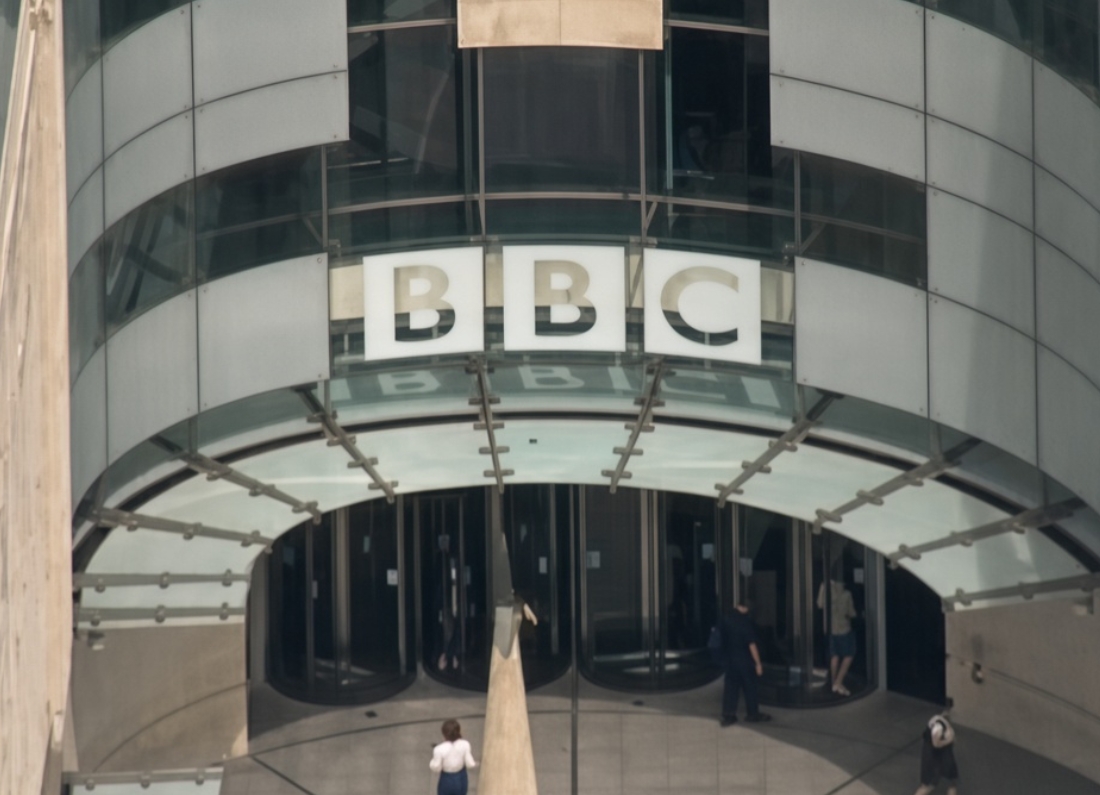
A former director of BBC News has criticised the broadcaster over the amount of attention it gave Reform UK’s plans to cut tens of billions of pounds from the welfare bill.
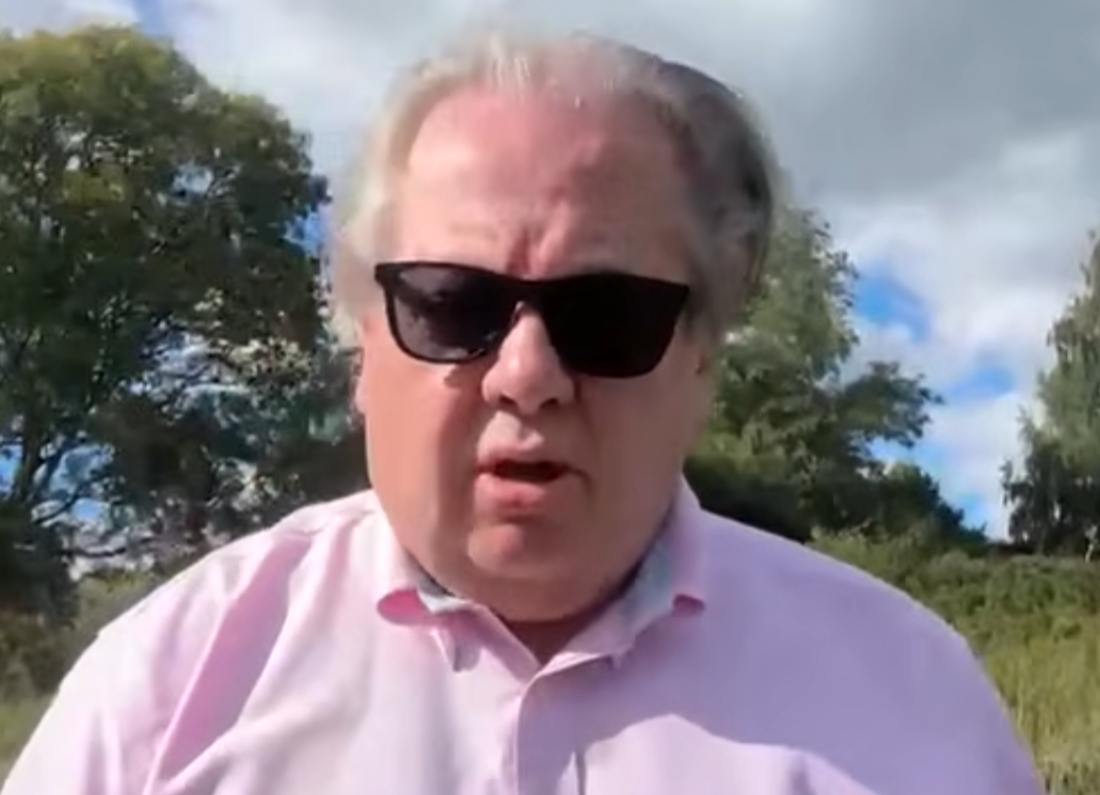
Richard Sambrook, who led BBC News between 2001 and 2004, described the coverage as “frankly bizarre” after Reform’s policy launch got prominent treatment across television news. His criticism boils down to a fairly simple question: why was a party with a small number of MPs being treated as though it had just announced government policy?
Reform unveiled plans this week it says could cut annual welfare spending by more than £50 billion, covering sweeping disability benefit changes, restricting welfare access for foreign nationals, and requiring some long-term claimants deemed fit for work to do community work. Significant proposals, genuinely. Sambrook questioned whether that alone justified the coverage Reform actually got. “The BBC’s coverage of Reform’s welfare plans is frankly bizarre,” he wrote, also asking whether broadcasters would give the Lib Dems or Greens the same prominence for announcing a policy programme years before the next election.
Reform’s launch dominated the news
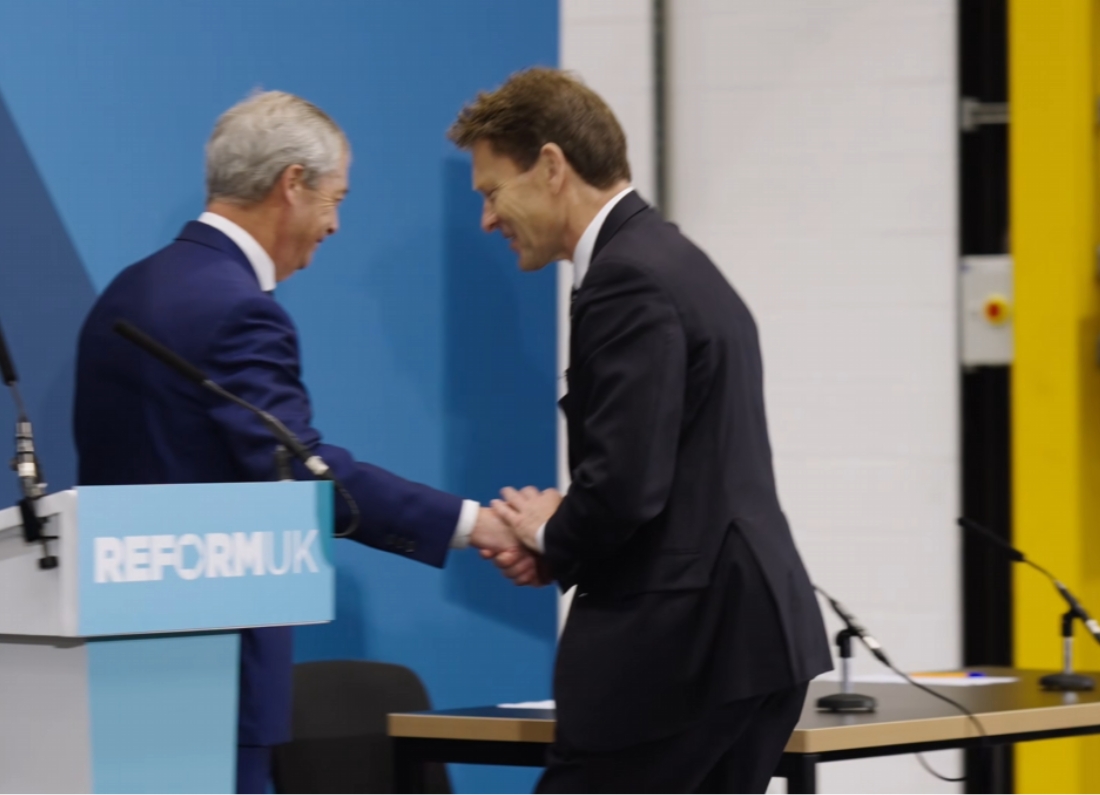
The criticism followed extensive coverage of Reform’s welfare announcement across the BBC and elsewhere. The BBC carried live coverage of the press conference, with discussion before and after Robert Jenrick set out the plans, at one point showing viewers an empty lectern while waiting for the event to start, something that also drew criticism online. The welfare package later featured prominently on the BBC’s flagship evening news.
Sambrook argued this treatment risked giving Reform a status normally reserved for the government or official opposition. That’s not an argument for ignoring Reform’s policies entirely. The party’s led national polls during parts of the past year, and Farage remains one of the most recognisable politicians in Britain. But Reform currently has only a small parliamentary presence compared with Labour and the Conservatives, and that gap between electoral polling and actual representation is exactly what’s at the centre of this argument.
What Reform actually proposed
Reform says its welfare programme would save around £50bn a year. The largest piece is an overhaul of disability support, replacing PIP for working-age adults with a new system aimed primarily at people with the most severe conditions, claiming changes to disability-related benefits could eventually save around £22bn. It also wants most foreign nationals excluded from claiming a range of benefits, including people with settled status, an estimated £21bn a year after several years. Those figures haven’t been independently verified, and there are open questions over whether excluding EU citizens with settled status would require reopening parts of the Brexit withdrawal agreement.
Reform’s also proposed requiring some long-term claimants considered fit to work to do around 20 hours of community work weekly or risk losing payments. Jenrick’s argued the current system is financially unsustainable and unfair to people who work and pay taxes.
Disability groups have attacked the plans
The proposals have drawn a fierce response from disability organisations and anti-poverty campaigners, who warn cutting eligibility for disability benefits could leave large numbers of people substantially worse off. Analysis cited by the Guardian suggested hundreds of thousands more children could fall into poverty under the package. Reform disputes the suggestion its plans are designed to punish disabled people and says support would remain for those with the most serious conditions.
That argument itself is exactly what makes the proposals newsworthy. Sambrook’s criticism is really about how broadcasters chose to present them, there’s a real difference between scrutinising a party’s policies properly and handing that party lengthy live coverage while it announces them.
Would the Greens get the same treatment?
Probably the most uncomfortable part of Sambrook’s intervention for the BBC. The Greens have MPs and have seen their polling improve during this parliament. The Lib Dems have a considerably larger parliamentary presence than Reform. Neither routinely gets live television coverage every time it launches a policy. Sambrook questioned whether either would have been treated the same way announcing a comparable welfare package.
That doesn’t automatically prove broadcasters are favouring Reform. News editors make judgements based on polling, public interest, personalities, and how likely a party is to actually influence political debate. Farage is also unusually effective at generating attention, which inevitably shapes coverage decisions. But those decisions have consequences of their own, a party getting extensive national television exposure becomes more visible, and that increased visibility then gets used as evidence the party’s important enough to deserve further coverage. It risks becoming circular.
Reform has become genuinely difficult for broadcasters to ignore
The problem facing editors is real. Reform may have relatively few MPs, but it’s repeatedly polled at levels that would make it a major force at a general election. Ignoring the party because of its current seat count wouldn’t reflect its actual support outside Westminster. Treating every Reform announcement as equivalent to a government policy launch creates a different problem entirely.
The answer probably isn’t less coverage, it’s tougher coverage. A £50bn welfare plan deserves genuinely hard questions about who loses money, whether the savings are credible, and what happens to the people who no longer qualify for support. If a party wants to be treated like a government-in-waiting, its policies should be tested like those of a government-in-waiting too. That’s where Sambrook’s criticism actually lands hardest. He’s not arguing Reform should disappear from television. He’s arguing that prominence should come with scrutiny attached.
One response to “Former BBC News director blasts ‘bizarre’ coverage of Reform’s £50bn welfare plans”
-
The reply to this genuine and appropriate criticism is to be kind, silly
The amount of “coverage” the Reform party get on BBC news is wrong and you know it is.
In blunt Yorkshire “it smells”
Your concern should be on genuine news, you know it and you still moan about losing audience figures.







Leave a Reply