

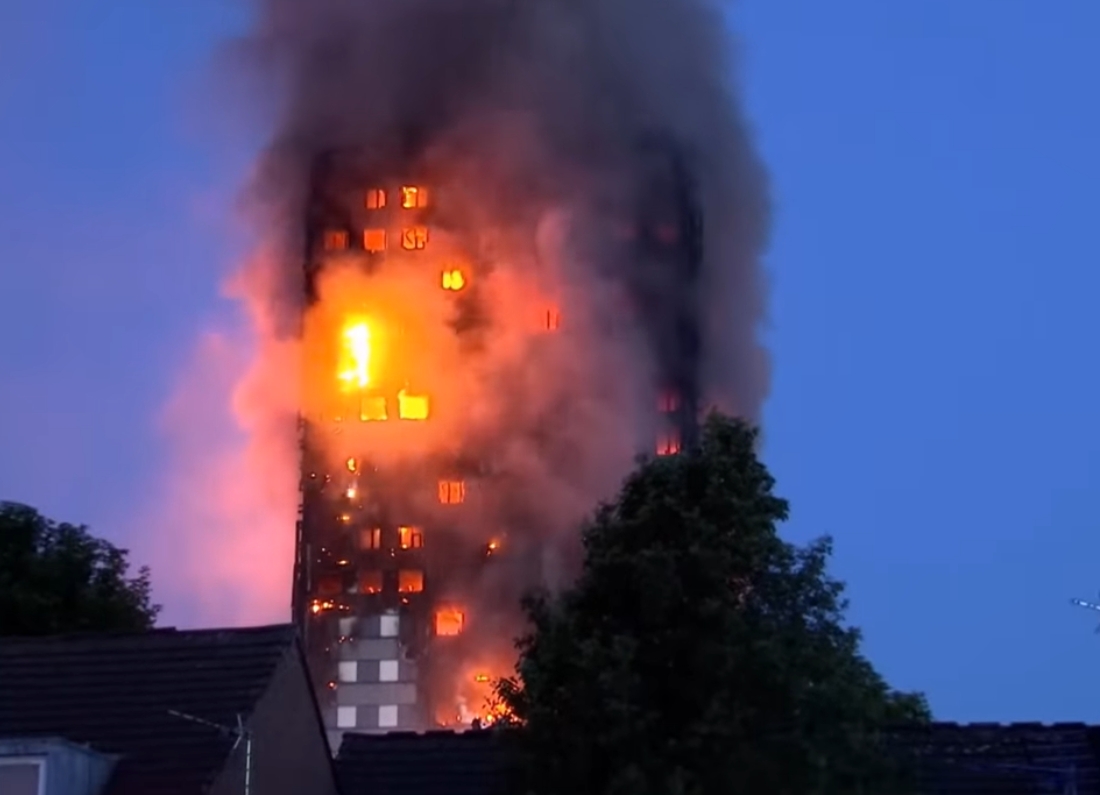
The company that made the combustible cladding used on Grenfell Tower paid around £23m more to settle claims from its own shareholders than it contributed toward settlements connected with survivors and bereaved families, according to a new investigation.
Arconic manufactured the Reynobond PE aluminium composite material used during Grenfell’s refurbishment before the 2017 fire, which killed 72 people. New research by thinktank Common Wealth and financial investigators FIND has examined what happened to the company in the years since. The findings make for uncomfortable reading.
According to the report, Arconic paid $74m, around £54.7m, to settle claims brought by shareholders. Its contribution toward settlements connected with people affected by Grenfell was $43m, around £31.8m. The difference is roughly £23m. The shareholder case was brought by investors who alleged financial losses because Arconic had failed to properly disclose information around the sale of its cladding. Arconic denied wrongdoing when agreeing that settlement. For Grenfell campaigners, the comparison has reopened a much bigger argument about who’s actually been held accountable for what happened on 14 June 2017.
What the Grenfell Inquiry found about Arconic
Arconic’s role at Grenfell was examined in detail by the public inquiry. The company supplied Reynobond 55 PE panels, containing a highly combustible polyethylene core. The inquiry’s final report found Arconic had “deliberately concealed” the true extent of the danger the product presented, having obtained test results showing how badly the panels could perform in a fire but continuing to sell them for use on buildings. The inquiry was particularly critical of Arconic’s failure to properly communicate those risks to customers.
Arconic has disputed allegations made against it and previously said it rejects claims it concealed information about the product, arguing that decisions about the refurbishment’s design and the selection and use of materials involved numerous organisations. The public inquiry examined failures across a wide range of companies and public bodies rather than placing responsibility on a single organisation. What isn’t disputed is what happened once the fire took hold: flames spread rapidly across the outside of the 24-storey tower, killing 72 people, including 18 children.
Shareholders took Arconic to court
The payment to shareholders came from a separate legal battle in the United States. Investors accused Arconic and senior figures at the company of making misleading statements and failing to properly disclose information about the safety of its products, arguing this had artificially inflated the company’s share price and left investors facing losses once information about Grenfell and the cladding became public. The case settled for $74m. Arconic did not admit liability.
Common Wealth and FIND compared that figure with what Arconic contributed to a separate civil settlement involving survivors, bereaved relatives and residents affected by the fire. In 2023, more than 900 claimants reached a settlement with a number of organisations connected to the disaster. Arconic’s contribution was $43m. That means the amount paid to settle the shareholder action was around 72% higher than its contribution toward the Grenfell settlement.
‘Near-total failure’ of corporate accountability
Chris Hayes, one of the report’s authors, described the aftermath of Grenfell as a “near-total failure” to hold corporations properly accountable. The researchers argue the legal system can make it easier for investors to recover financial losses than for people harmed by corporate conduct to secure punishment that genuinely hurts a company’s bottom line, and are calling for legal changes, including greater use of punitive damages in cases involving serious corporate wrongdoing. Grenfell United, representing bereaved families and survivors, has backed the report.
For families who’ve spent nine years campaigning for justice, the question of corporate accountability remains unresolved. The inquiry was devastating in its assessment of the companies involved in the tower’s refurbishment. But an inquiry itself cannot prosecute a company or individual. That responsibility sits elsewhere.
Nine years on, criminal investigations continue
One of the most difficult facts surrounding Grenfell is how long the criminal process has taken. The Metropolitan Police investigation is enormous, involving millions of documents and years of evidence gathered through the public inquiry. Police have previously said charging decisions aren’t expected until late 2026 at the earliest, with any trials potentially years after that. No company or individual has yet been convicted of a criminal offence over the fire.
That doesn’t mean criminal responsibility has been ruled out, prosecutors must decide whether there’s sufficient evidence to bring charges and whether prosecution is in the public interest, and the complexity of the case partly explains the timescale. For families who lost relatives in 2017, though, explanations about the size of the investigation do little to shorten a wait now approaching a decade.
Arconic says it continues to cooperate
Arconic continues to reject accusations of wrongdoing surrounding Grenfell. In a statement marking the fire’s ninth anniversary in June, Arconic Architectural Products said its thoughts remained with everyone affected and that it continued to cooperate with ongoing legal processes, and said it supported efforts to improve regulatory oversight in the construction industry.
Those reforms are still being implemented. The government reported earlier this year that work was under way on all recommendations it accepted following the second phase of the Grenfell Inquiry. As of February, 12 recommendations had been completed, with the government expecting around 70% closed by the end of 2026.
Regulations can be rewritten. Products can be removed from buildings. Companies can change their procedures. The harder question has always been accountability for the 72 people who never made it out of Grenfell Tower. Nine years later, their families are still waiting for the criminal justice process to provide its answer. These new figures have added another question to that wait: how did shareholders end up receiving millions more from one of the companies at the centre of the disaster than the company contributed toward settlements for those whose lives were torn apart by it?
One response to “Grenfell cladding firm paid shareholders £23m more than it contributed to victims, report finds”
-
Have a look at what’s on there and hit me up if your interested in what’s really going on in the LFB post Grenfell and the allegations, questions and evidence I have on the former Commisioner Andy Roe now up in the House of Lords and his successor Jonothan Smith.





Leave a Reply