


A street interview from August 2024 is doing the rounds again, mostly because the central exchange still holds up.
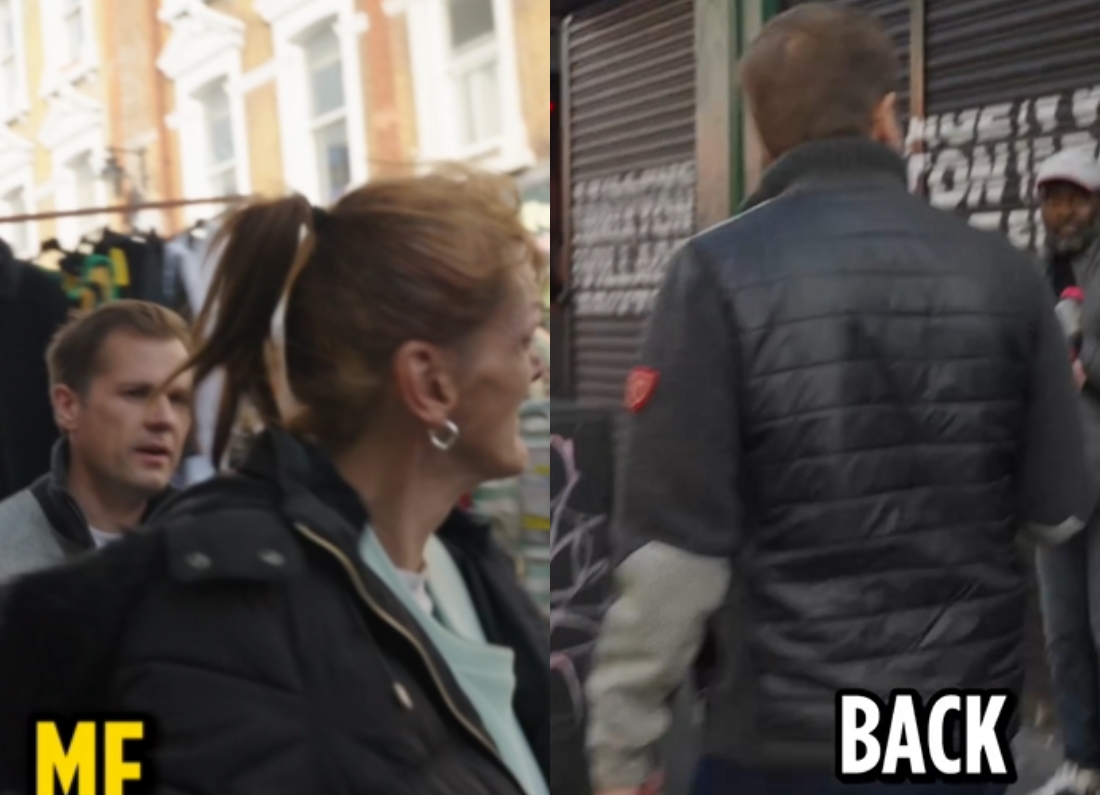
The footage shows several men outside a pub. Asked why they’re there, one jokes: “Apparently they’re giving away free booze in this pub, didn’t you know?” Another gives a considerably darker assessment: “We don’t know, but it’s got to be done, hasn’t it? We’re losing total control of our country. It ain’t the England we know, or London we know anymore. And we’ve been totally beaten into the ground by the politicians. It’s a total disgrace.”
Big claim. England’s gone, London’s unrecognisable, politicians have flattened the whole country. The interviewer asks the obvious follow-up: what was different about the “old England” he remembers?
“Well, it wasn’t like it is now,” he says. “Totally different. Pubs everywhere, betting shops everywhere, loads of places to go. Now there’s none.”
That was it. Not secure jobs, affordable housing, working public services, or thriving communities. A country with more places to drink and put a tenner on the 3.30 at Kempton. Delivered while standing directly outside a pub.
Nostalgia meets a follow-up question
This language will sound familiar to anyone who’s followed British politics recently, Farage and Reform have built campaigns around exactly this framing, that voters have lost control of the country and need to reclaim something vanished. Nothing in the clip identifies this man as a Reform supporter specifically, so that link shouldn’t be assumed. What the clip does capture is a genuinely common pattern: a sweeping claim about national decline, met with a request for specifics, collapsing into something much smaller.
There’s a real argument to be had about Britain’s high streets and social venues genuinely declining. Pub numbers have been falling for decades, driven by changing drinking habits, high rents, business rates, rising costs, and competition from supermarkets and drinking at home. The UK now has roughly 45,000 pubs, down from almost 100,000 in England and Wales alone in 1904. That decline started long before today’s political fights over immigration and identity, the Institute of Alcohol Studies describes pub closures as a complicated, century-long trend, not evidence of one recent cultural rupture.
Betting shops have also declined, though “there’s none” is a stretch. The Gambling Commission recorded 5,669 betting shops across Great Britain between October and December 2025. Their numbers have dropped as gambling’s moved online, remote casino, betting and bingo businesses generated £2.1bn in that same quarter, showing roughly where the traditional high-street trade actually went.
None of that makes local venue decline unimportant. A pub can be a genuinely valuable community space, and closures leave towns with fewer places to actually meet. The furious reaction to Westminster’s “vertical drinking” proposals in Soho showed exactly how strongly people still feel about protecting them. It just makes migration an unconvincing explanation for everything that’s changed since someone’s youth.
The internet spotted the obvious problem
@lukascph got straight to it: “‘Loads of places to go, now there’s none’ while he is literally standing in front of a pub that he went to.”
@King_Conan_84 wasn’t buying the betting shop claim either: “Maybe that’s some people’s idea of England. I beg to differ on the betting shops though. They are everywhere, along with vaping stores, charity shops and Turkish barbers!”
@dodgson_sally offered a more sympathetic read, suggesting he was actually struggling with “economic decline and technological advance” rather than the literal disappearance of England.
@bollox2thiscrap was less patient: “I have to tell myself to take deep breaths. I’m really going to start having chest pains over here.”
@Neilovichi drew a different conclusion entirely: “These people live among us. That’s why I choose to stay at home with a book when I’m not at work.”
Britain’s high streets genuinely have changed. Thousands of pubs have closed, gambling’s moved online, familiar shops have disappeared, all real developments with identifiable economic and technological causes behind them. But if “old England” ultimately just means a pub on every corner with a betting shop next door, the promised national restoration might need less of a political revolution and more of a particularly lively Wetherspoons.






Leave a Reply