

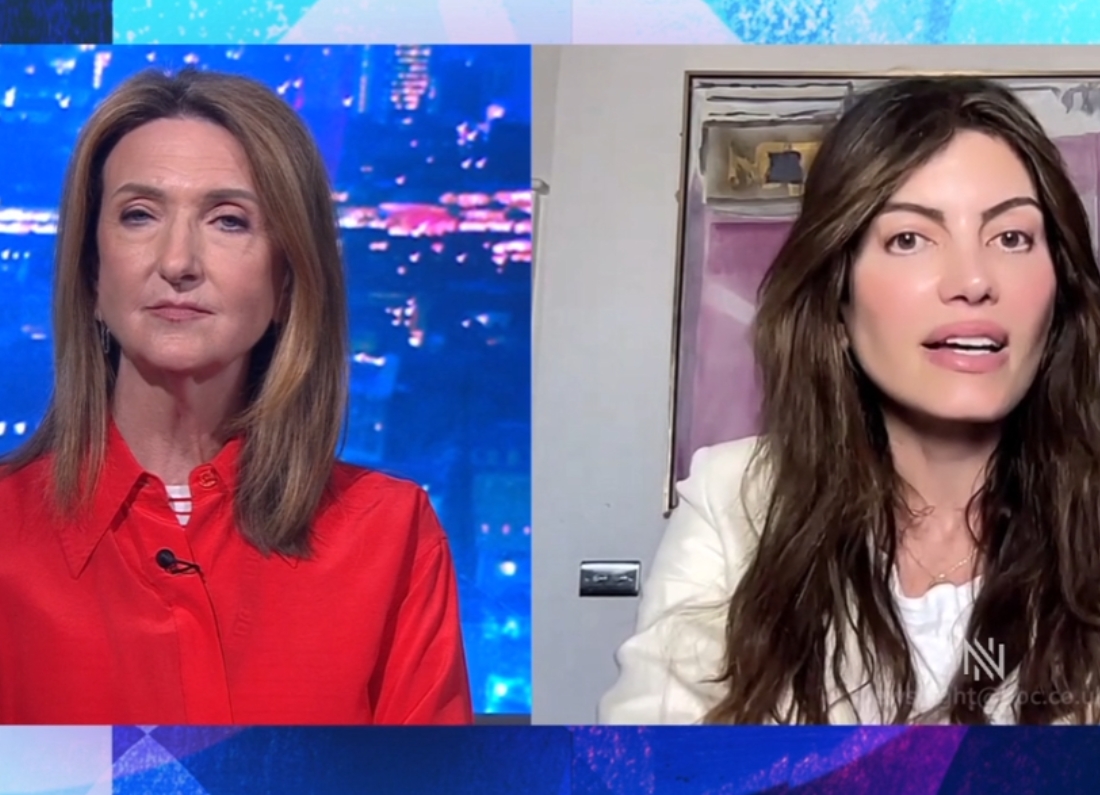
Laila Cunningham tried to dismiss Nigel Farage’s historically poor popularity rating during an appearance on Newsnight. The problem was that the alternative measure she chose was no kinder to Reform UK.
Victoria Derbyshire asked Cunningham how concerned the party was about new polling showing Farage with a net favourability rating of minus 46. Rather than address the numbers directly, Cunningham replied: “For me, the most serious poll is an election.”
Derbyshire immediately pointed to Reform’s recent electoral record. “You’ve lost the last six, sorry, the last five byelections, and the Greater Manchester mayoral election, so that’s not a great track record,” she said.
It was a straightforward correction. Cunningham had argued that elections were more important than surveys, so Derbyshire tested Reform against its actual election results.
Farage’s lowest rating in a decade of YouGov polling
The figures under discussion came from YouGov’s July political favourability survey. Only 22% of those surveyed said they viewed Farage favourably, the lowest proportion recorded by the company’s tracker since 2020. 68% held an unfavourable opinion of him, including 56% who viewed him very unfavourably.
That produced a net rating of minus 46, the joint-lowest figure recorded during the tracker’s ten-year history. For comparison, Boris Johnson reached minus 42 shortly after the first Partygate revelations, while Keir Starmer stood at minus 45 shortly before resigning as prime minister.
A poor personal rating doesn’t automatically translate into defeat for Farage or Reform. The party remains competitive in national voting-intention polls, and Farage continues to command strong support among Reform voters. Cunningham was therefore entitled to argue that election results provide a more important test than a national favourability survey. The difficulty was that Reform’s recent results didn’t support the point she was trying to make.
Reform has struggled to convert attention into victories
Reform has failed to win five recent parliamentary byelections. It then lost the Greater Manchester mayoral election, held to replace Andy Burnham after he entered Downing Street.
Labour’s Bev Craig received 47% of first-preference votes in Greater Manchester, compared with 21% for Reform candidate Sian Astley. After second preferences were redistributed, Craig defeated Astley by 66.3% to 33.7%. Labour also recovered support in areas where Reform had performed strongly during May’s local elections.
Byelections and mayoral contests each have their own local circumstances, and none can be treated as a reliable prediction of a general election. Reform has also recorded significant victories elsewhere, particularly in local government. But Cunningham had chosen election results as the standard by which the party should be assessed. Derbyshire’s response showed why that defence was unlikely to end the discussion.
Cunningham was appearing to promote Operation Fortress
The exchange took place as Reform tried to focus attention on Operation Fortress, its newly announced plan to use the armed forces against small-boat crossings. The proposal has already run into serious objections, with France saying returning boats without its agreement would violate French sovereignty as well as maritime and international law, and former Royal Navy commander Tom Sharpe questioning whether the Navy even has the vessels for an operation on the scale Reform is promising. “When you start looking at what ships we have, which is basically none, he’s talking about the largest maritime operation in the Channel since World War Two,” Sharpe told BBC Radio 4. Reform’s Zia Yusuf responded that Sharpe had criticised the proposal before reading the completed document.
The financial questions haven’t gone away
Farage’s personal polling has fallen while he and Reform face continued scrutiny over political donations and financial support. The parliamentary standards commissioner opened an investigation into whether Farage should have declared a £5 million gift from cryptocurrency investor Christopher Harborne. A second inquiry concerns benefits reportedly provided by George Cottrell, a convicted fraudster and longtime Farage associate.
Farage denies wrongdoing and says the money from Harborne was a personal gift. He has characterised the investigations and press coverage as an establishment campaign against him. Questions about his explanation intensified after reporting that he had discussed returning as Reform leader months before the 2024 general election. Farage had previously argued he wasn’t politically active when the gift was made.
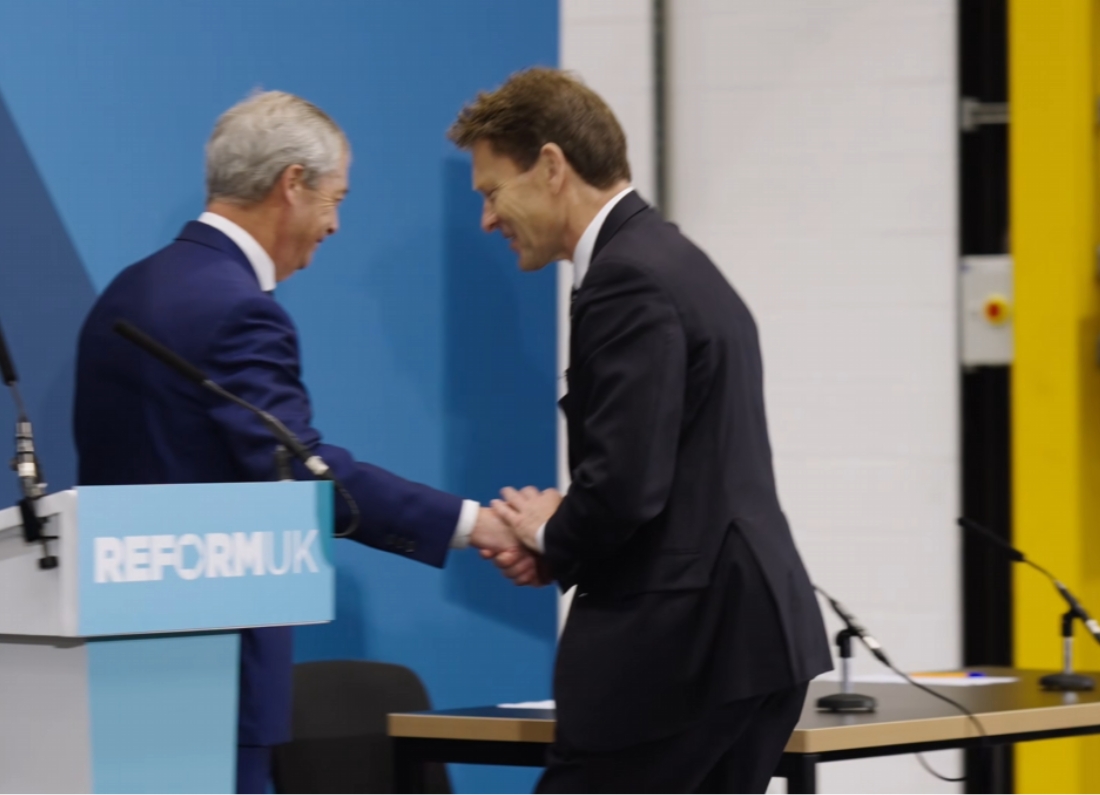
The reported agreement with Richard Tice covered the repayment or cancellation of more than £1 million in loans once Farage resumed the leadership. Reform said the arrangement merely allowed him to keep his options open.
Separately, the Metropolitan Police is investigating alleged offences concerning donations made to Reform before the 2024 election. The inquiry includes payments from Fiona Cottrell, George Cottrell’s mother. Financial industry sources told the Guardian that George transferred more than $2 million to her shortly before the donations. No arrests have been made, and the existence of an investigation does not establish criminal wrongdoing.
Farage resigned as Clacton’s MP in July and is now standing in the resulting byelection on 13 August. He says the contest will allow local voters to judge his conduct. The absence of candidates from the main parties has left Count Binface as his most prominent opponent, although a national survey suggesting more Britons wanted Binface to win than Farage was not a poll of Clacton voters specifically.
Viewers welcomed Derbyshire’s response
The Newsnight exchange quickly spread online. “I feel sorry for Reform’s Laila Cunningham, she keeps having to face the music,” wrote David Richardson, who asked whether Farage had again declined to appear himself.
Simon Cliffe suggested Reform’s ratings were unlikely to improve if the party continued sending Cunningham into difficult interviews.
Daniela Nadj welcomed Derbyshire’s reference to Reform’s recent defeats, writing that it forced Cunningham to concede the results had been disappointing.
Cunningham’s original point was that opinion polling should be treated cautiously and that actual votes matter more. That’s a perfectly defensible argument. Unfortunately for Reform, Derbyshire had checked those too.




Leave a Reply