

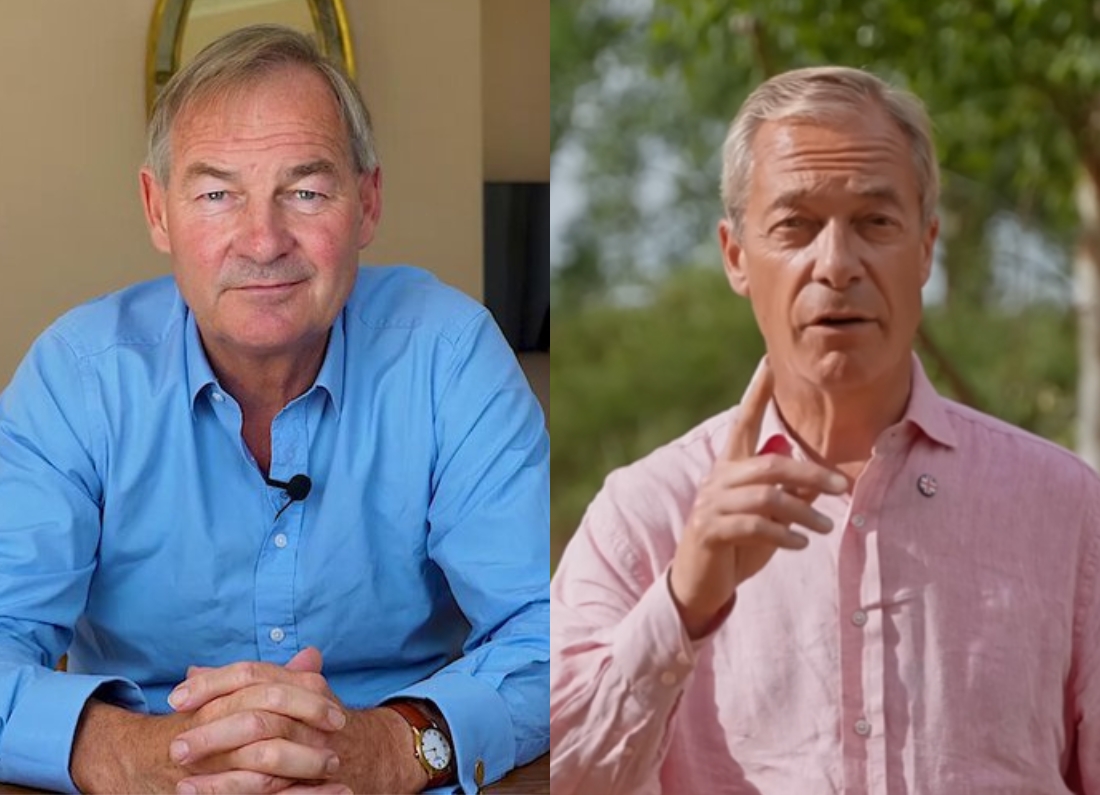
Rupert Lowe offered Reform an electoral pact. Farage’s response wasn’t yes.
Lowe made the offer after Restore Britain’s candidate took 8.7% of first-preference votes in the Greater Manchester mayoral byelection, finishing ahead of the Conservatives. That result reopened the question of whether Reform and Restore are splitting the same voters and handing wins to Labour.
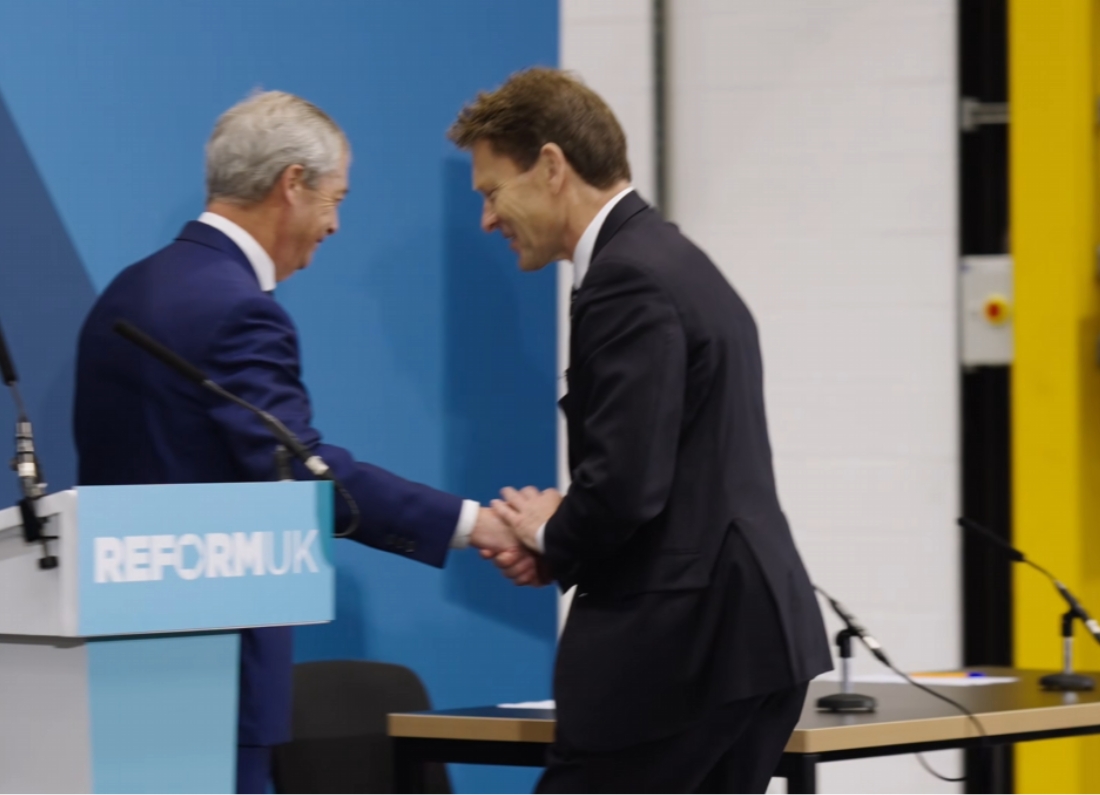
Reform MP Andrew Rosindell said he hoped the two sides could get past their differences. Farage’s own statement, hours later, made no commitment to talks and didn’t mention Lowe by name. He said Reform would welcome anyone who shared its aims, then added: “I will never turn my back on my team.”
What Lowe actually offered
Lowe founded Restore after a bitter split from Reform, the party he was elected under as MP for Great Yarmouth in 2024. In a video announcing the offer, he pointed to West’s result as proof of what Restore can do: “The Greater Manchester result showed what Restore Britain can deliver. The next step is how we maximise the chances of delivering the change Britain needs. It means putting personal differences aside. That is why today I am making a public offer to Nigel Farage and Reform UK.”
The official numbers: West got 46,289 first-preference votes, 8.7%. Reform’s Sian Astley came second with 111,928, just under 21%. Labour’s Bev Craig led with 251,449 and went on to beat Astley in the second round, 309,525 to 157,178, on turnout of roughly 25%. Restore’s fourth place still mattered because it beat the Conservatives outright, who got 41,021.
Reports on Lowe’s proposed terms include commitments to mass deportations, reversing mass immigration, and what he calls restoring “demographic security” for native Britons, alongside a burqa ban and a referendum on capital punishment.
Rosindell wants this to happen
Rosindell told GB News: “Rupert was elected as a Reform UK MP under Nigel’s leadership, so clearly there’s common ground on lots of issues. We do somehow have to bring the right of centre in British politics together. What happens with Restore and with Rupert is a matter for Rupert to talk to Nigel about.”
He warned that a divided right helps everyone else under first-past-the-post: “A lot of what Rupert is saying is correct, but we need to bring things together to get this government out. At the moment, if you have a divided right, all the benefit will go to Labour and the left-wing parties.” Asked who’d lead a united movement, he named Farage, who he wants as prime minister. He also backed parts of Restore’s platform directly, its tougher line on immigration and its emphasis on Christianity: “He talks about the Christian heritage of this country. Well, I do as well. And I worry that our Christian heritage, the foundations of this country, are being watered down and undermined.”
What Farage actually said
Farage’s statement framed the next election as “an existential fight to save the country we love,” presenting voters with what he called a “binary choice” between Labour and Reform. He acknowledged Reform needs support from people currently in other parties, calling it the “broad coalition” he’s building.
But the invitation was to join Reform, not to negotiate a pact. No acceptance of Lowe’s conditions, no proposed talks, no suggestion Restore would stay separate as a partner. He said Reform stays open to anyone committed to stronger borders, economic change, democratic reform, and “putting the British people first,” and referenced not standing against Conservative seats in 2019 as proof he can put country before party.
Then: “I will never turn my back on my team.” That line rules out anything requiring Farage to sacrifice existing Reform figures or let Lowe pick who’s in a future government, relevant given reports Lowe’s proposal specifically objected to former Conservative ministers getting senior roles.
He closed by saying there’d be a place in Reform for anyone who thinks both Conservative and Labour governments have failed. Not a pact. An invitation, on his terms.
Why the Manchester numbers don’t just add up
A combined Reform-Restore ticket wouldn’t automatically pull in something close to 30%. Voters overlap on immigration and culture, but they don’t transfer as a bloc, some Restore supporters won’t back Farage, some Reform voters will balk at the harder edges of Lowe’s programme.
The supplementary vote system used in Manchester actually shows this in practice. When second preferences got counted, Labour rose from 251,449 to 309,525. Reform rose from 111,928 to 157,178. Craig won the final round 66.3% to 33.7%.
A general election works differently, first-past-the-post means Reform and Restore running against each other in the same seats could split their combined vote and hand the win to someone else entirely. Any real pact needs decisions on who stands where, who withdraws, what policies both sides actually accept. Farage’s statement addressed none of it.
The early election claim
Farage also called an early general election “increasingly likely.” Andy Burnham has said the exact opposite, ruling one out before 2029 and saying he’ll govern on Labour’s existing 2024 mandate. There’s no confirmed early election for anyone to prepare for. That’s Farage’s prediction, nothing more.
For now: Lowe’s made his offer. Rosindell’s encouraged talks. Farage, whose own approval has hit a post-election low, has answered without agreeing to a merger or a pact. His actual message: opponents of Labour can unite, as long as they do it inside Reform.



Leave a Reply