

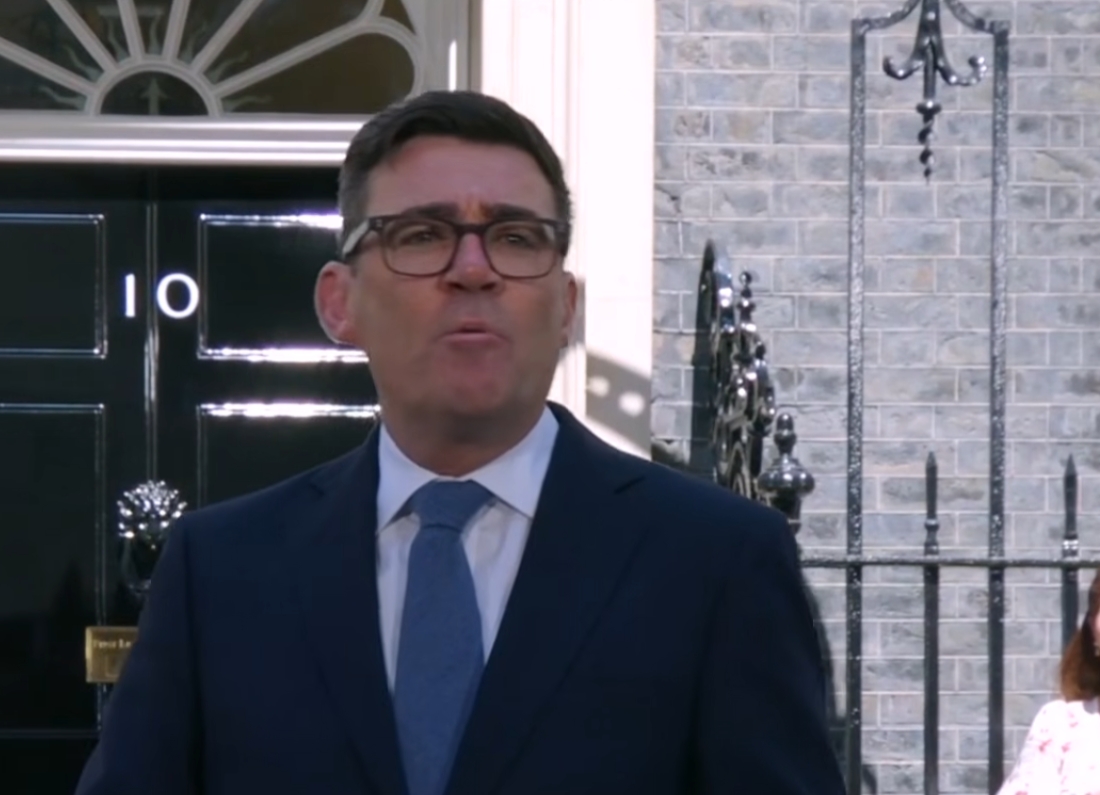
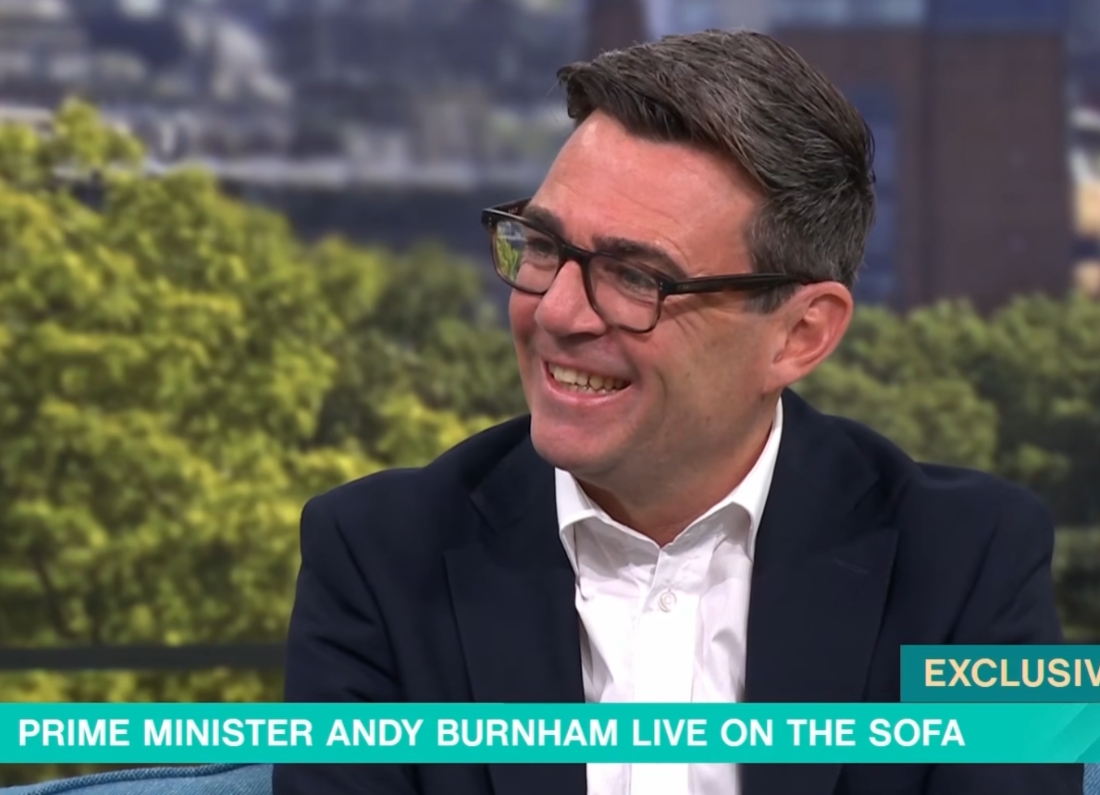
Andy Burnham has announced VAT will be removed entirely from household electricity bills, the first concrete cost-of-living measure of his premiership and a direct follow-through on the pledge he made in his opening speech in Downing Street just two days ago.
What’s actually changing
From 1 October, VAT on electricity will drop from 5% to zero. The Treasury expects this to knock roughly £45 off the annual energy price cap.
Announcing the move on Tuesday, Burnham said it would “put more money in people’s pockets and bring back hope.” He didn’t waste time getting to it either, this is his second full day in office. “Westminster has not been working for people for too long, with families struggling with the cost of living,” he said. “That needs to change. I said I wanted to give people breathing space, and that’s what I’m announcing on my second day as prime minister. We’re taking immediate action to cut taxes on energy bills, put more money in people’s pockets and bring back hope.”
How it’s being funded, and why the numbers don’t quite match
Downing Street says the policy is paid for by scrapping Keir Starmer’s planned digital ID scheme, which was projected to cost £1.8bn over three years, a policy Burnham confirmed he was axing within hours of taking office.
There’s just one problem with that framing: cutting VAT on electricity to zero is expected to cost around £850m a year on its own. Scrap the digital ID programme entirely over three years and you free up £1.8bn total, but the VAT cut alone would eat through that in barely over two years if it were the only thing being funded by it. The government hasn’t yet clarified whether the wider £1.8bn savings figure is meant to cover other measures too, or whether there’s a funding gap opening up that hasn’t been addressed yet.
What the new chancellor said
John Healey, who took over as chancellor from Rachel Reeves on Monday, defended the move: “For too long, too many people have struggled with the cost of living. Today’s energy tax cut will give families some breathing room on bills, and provide some reassurance this winter. This measure is funded this year from cancelling the Digital ID programme, and it will help bring down inflation while supporting households in every postcode.”
More to come this week
Burnham is expected to announce a £2 cap on bus fares tomorrow, suggesting this VAT cut is the opening move in a broader package of cost-of-living measures rather than a standalone announcement.
The bigger picture on energy bills
This lands at a moment when household energy costs are already under serious strain from other directions. BP’s profits have more than doubled to £2.4bn thanks to an energy windfall tied to the ongoing Iran conflict, even as British households face rising bills from the same source, and Ed Miliband has separately had to unveil emergency plans to break the link between gas and electricity prices to try to shield consumers from exactly this kind of volatility. A £45 cut to the price cap will be welcome, but it’s a modest offset against pressures building from elsewhere in the energy market that are considerably larger in scale.
Whether the funding maths gets fully squared away, or whether this becomes the first of several cost-of-living announcements without a fully worked-through Treasury explanation behind them, is likely to be one of the first tests of how carefully Burnham’s government has actually costed its early promises.




Leave a Reply