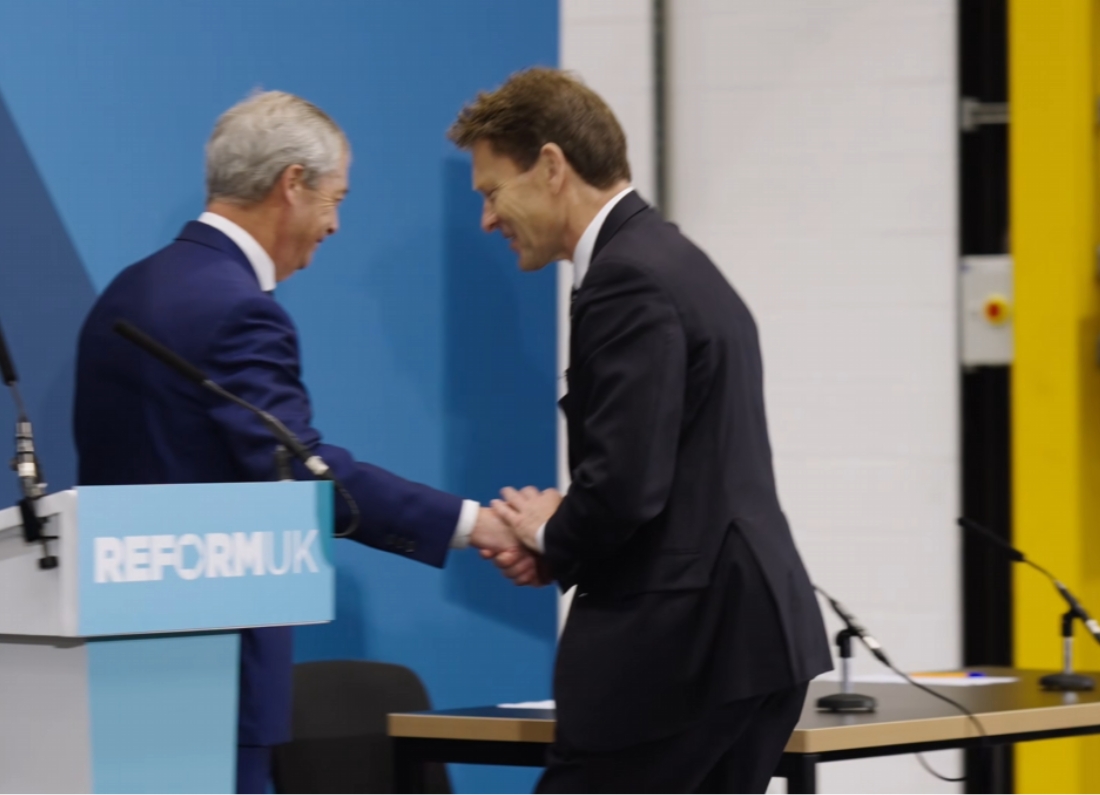
The Parliamentary Standards Commissioner has confirmed a formal investigation into Nigel Farage over whether he breached the House of Commons Code of Conduct by failing to declare a £5 million personal gift from Thailand-based crypto billionaire Christopher Harborne received in 2024 – an investigation that could ultimately result in suspension from the Commons and trigger a by-election in his Clacton constituency.
The confirmation of a formal investigation represents a significant escalation in the story that has dogged the Reform UK leader since the Guardian published its investigation into the gift three weeks ago. As we reported at the time in our full investigation into the gift and its implications, both Labour and the Conservatives referred Farage to the commissioner following the revelations. Those referrals have now been accepted as the basis for a formal investigation.
What the investigation will examine
The Parliamentary Standards Commissioner will examine whether Farage breached the House of Commons Code of Conduct by failing to declare the £5 million gift in his register of members’ interests.
Commons rules require MPs to declare any potentially relevant gifts or donations received in the 12 months before entering parliament. The rules are explicit that if there is “any doubt” about whether a benefit should be registered, it should be. Farage received the money from Harborne before he announced he would stand as a candidate in the 2024 general election – and within the 12-month window before he took his seat for Clacton in July 2024.
Farage’s consistent position has been that the gift was personal and unconditional – provided by Harborne to fund his personal security costs – and that as a personal rather than political benefit it did not require declaration. He has described the money as covering his security “for the rest of my life” following an incendiary device attack on his home.
The standards commissioner will now formally test whether that position is sustainable under the rules.
How we got here – the timeline
The story’s path to formal investigation has been tracked across multiple articles on this site.
The Guardian broke the original story in late April, revealing that Harborne – a Thailand-based crypto billionaire who holds approximately 12% of Tether, the world’s largest cryptocurrency stablecoin – had given Farage £5 million personally, before he stood for parliament, and that this gift had not been declared. As we detailed in our profile of Harborne, Harborne has now given Farage and his parties more than £22 million in total.
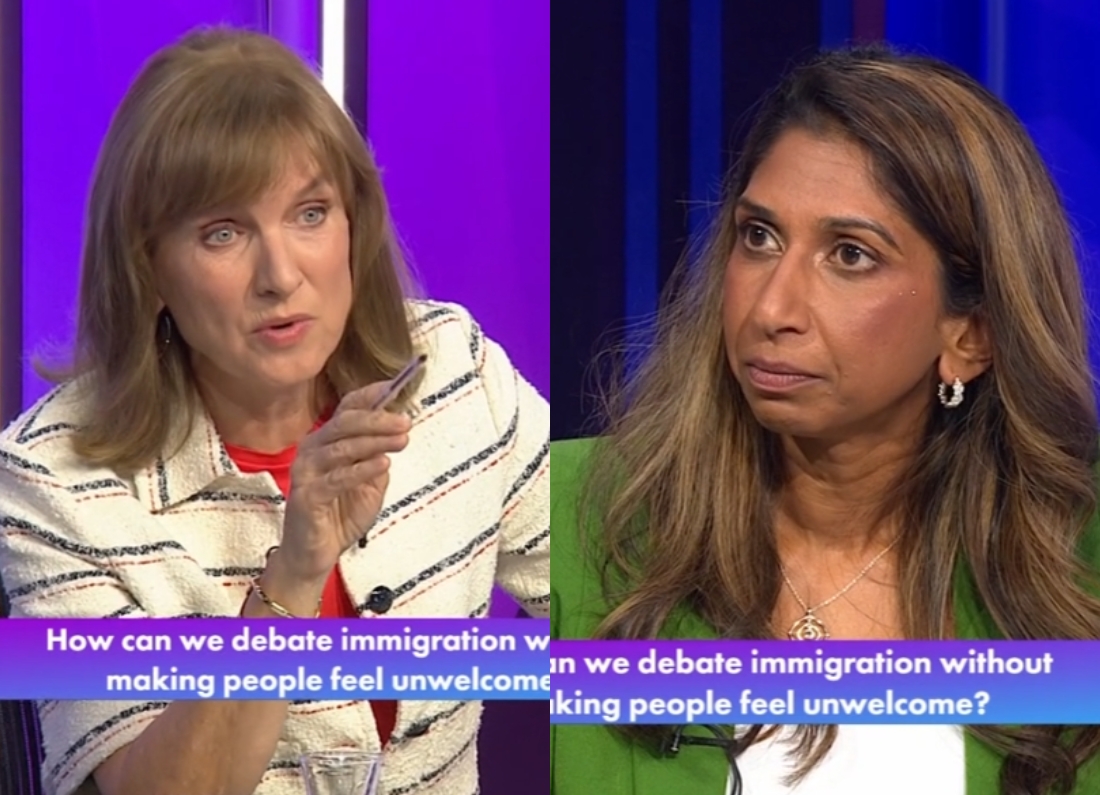
In the week following publication, Farage refused five separate media appearances where he would have been asked to account for the gift – as we tracked in our piece on his pattern of avoidance. He pulled out of Kuenssberg, declined Newsnight, refused Politics Live, walked away from Sky’s Cathy Newman and dismissed the question at his own Havering victory press conference with “we’ll talk about that any other time you like.”
Meanwhile, as we reported in our Clacton by-election threat piece, questions have also been raised about his partner Laure Ferrari’s refusal to fully explain the funding of the £885,000 Clacton house – as we covered in both our Clacton house investigation and our Le Monde Ferrari profile.
And separately, allegations made by former Reform deputy leader Ben Habib – that the £5 million was not a personal security gift but payment for specific political services – as we reported carefully in our Habib allegations piece, add a further dimension that the investigation’s evidence-gathering may need to consider.
What a finding of serious breach could mean
If the Parliamentary Standards Commissioner concludes that Farage committed a serious breach of the Code of Conduct, the case would be referred to the House of Commons Committee on Standards, which would then recommend a sanction.
Sanctions available to the committee include requiring a formal apology, recommending suspension from the Commons, or – in the most serious cases – recommending expulsion. Suspension is the most likely sanction in a case involving failure to declare a benefit.
Under the Recall of MPs Act 2015, a suspension of more than ten sitting days automatically triggers a recall petition in the affected MP’s constituency. If more than 10% of registered constituents in Clacton sign the petition, a by-election is called.
As we reported in our by-election threat piece, Farage won Clacton with 46.2% of the vote in 2024 and would be the strong favourite to win any by-election triggered by a recall petition. He would also, in that scenario, be able to campaign on a narrative of establishment persecution at the peak of his political power – a narrative that has historically increased rather than diminished his support.
The investigation’s timing and Farage’s position
The formal investigation will take months to conclude. The standards commissioner’s process involves gathering evidence, providing Farage with an opportunity to respond, and producing a detailed report. This is not a process that concludes in weeks.
That timeline has specific political implications. A Labour leadership contest appears increasingly likely, with 77 Labour MPs having called for Starmer’s departure and the Home Secretary having walked into Downing Street to tell him to go – as we reported in our full coverage of Monday’s escalation. The investigation into Farage will run in parallel with whatever transition Labour undergoes, and its findings will arrive into a different political landscape from the one in which the referrals were made.
In the meantime, Farage leads a party that has just won its most historic election night, controls hundreds of councils and is polling at 27%. The investigation does not prevent him from continuing to lead Reform UK, from attending the Commons, from campaigning or from planning for the 2029 general election. It is a process with a specific scope – the declaration question – and a specific timeline that does not map onto the accelerating pace of British political events.
Reform UK has been approached for comment. Farage’s consistent public position is that the gift was personal, unconditional and did not require declaration.
What Piers Morgan said – and why it matters here
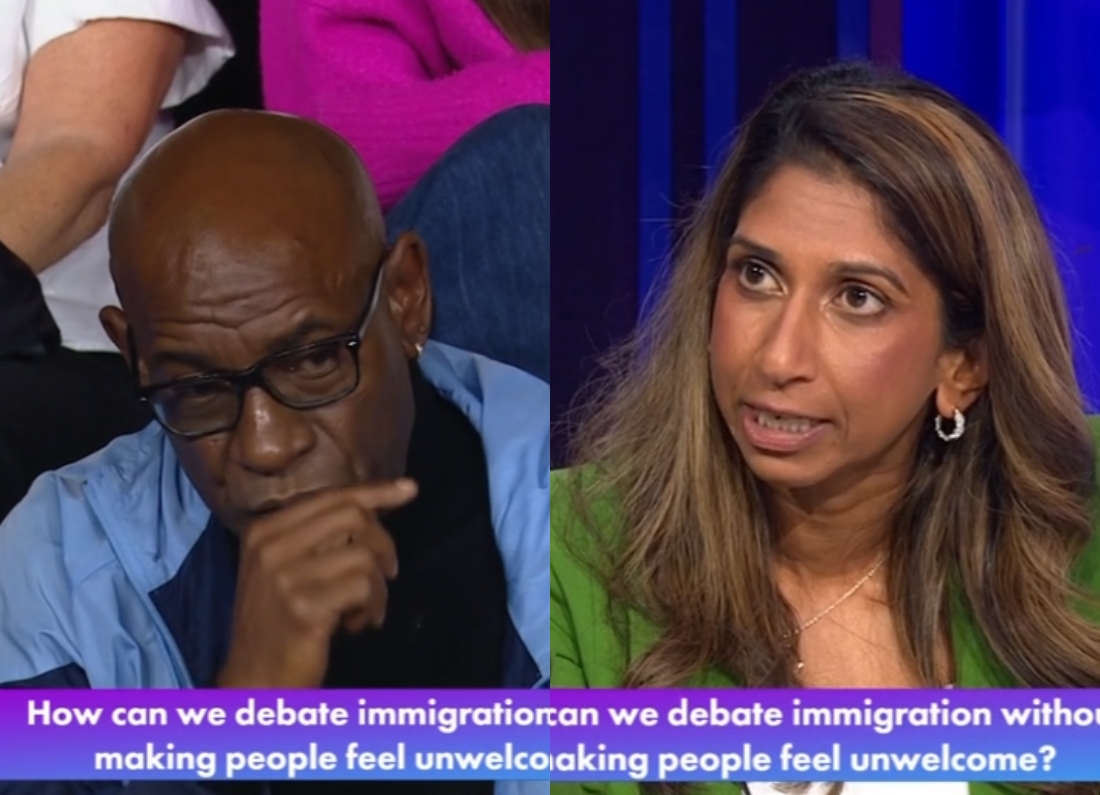
As we reported in our full piece on Morgan’s Question Time intervention, his point about Reform’s double standard is now being tested in the most concrete way available: a formal investigation by the independent officer of parliament responsible for upholding the standards to which all MPs are held. “If we discovered last week that Keir Starmer had taken £5,000,000 without declaring it from a crypto billionaire in Thailand, Reform UK would have gone absolutely berserk,” Morgan said. “What you are saying is hypocrisy. Total hypocrisy.”
The parliamentary process does not distinguish between party affiliations. The same standards commissioner who found Farage’s previous 17 late declarations inadvertent will now examine whether the largest undisclosed personal payment in the history of British parliamentary standards falls within or outside the rules Farage says it does.