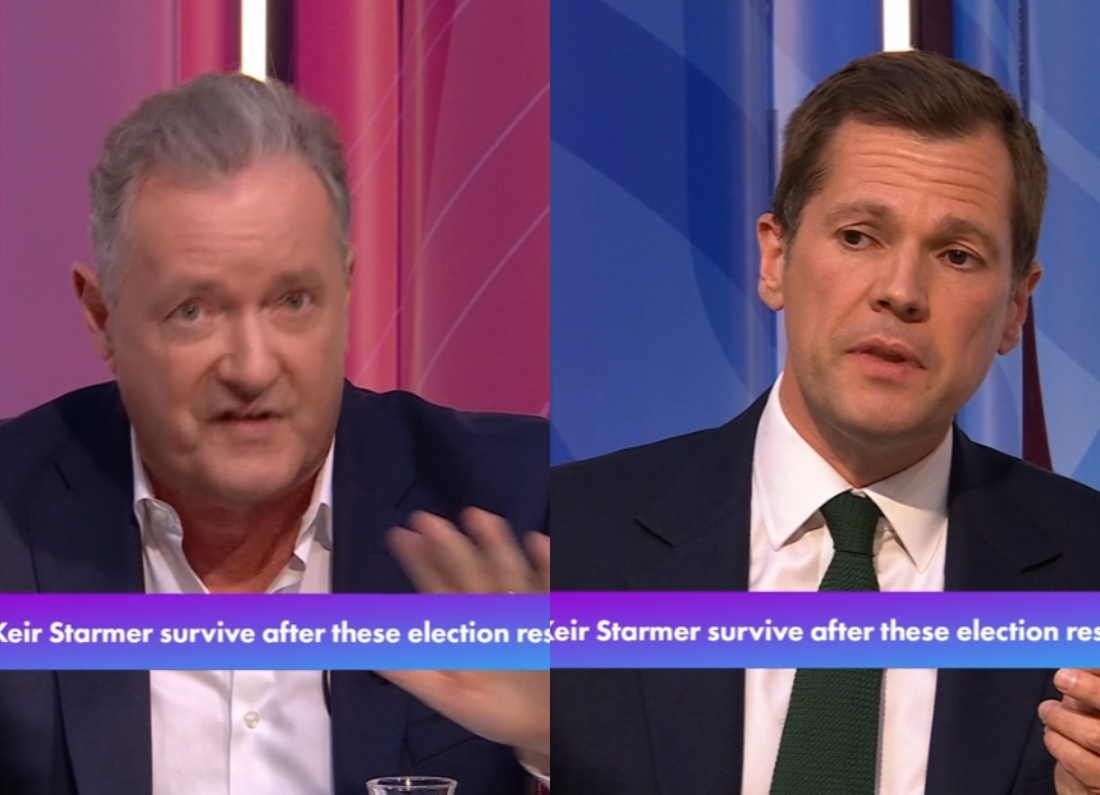
Piers Morgan has received rare and widespread praise after a BBC Question Time appearance in which he exposed Reform UK’s double standard on Nigel Farage’s undisclosed £5 million gift from a Thailand-based crypto billionaire in a single sentence – before turning his fire on the Labour government and branding it a “shambles” that has “wasted” the goodwill of its landslide victory.
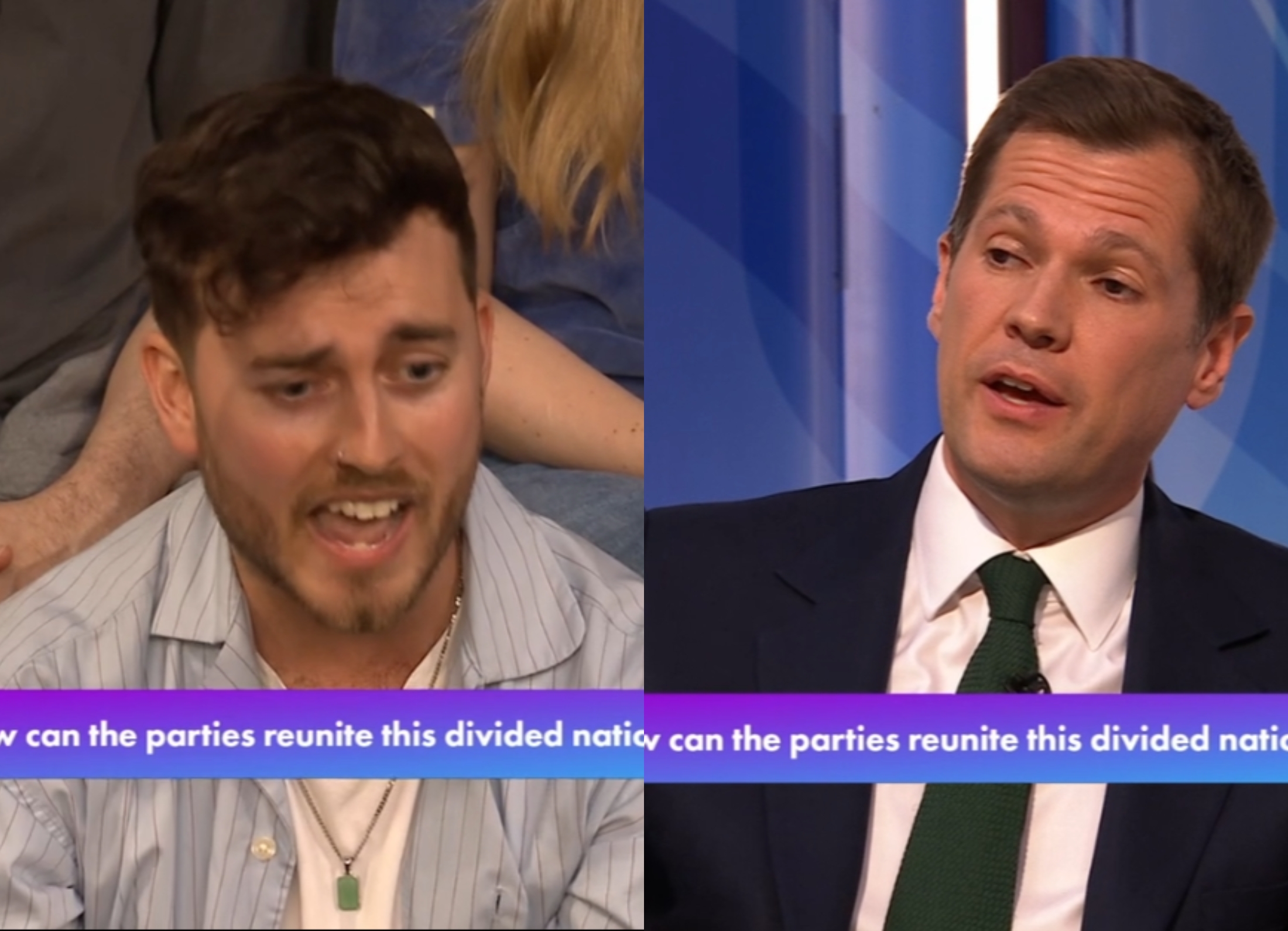
The veteran journalist was added to a panel assembled to discuss the 2026 local election results, alongside representatives of the major political parties including Robert Jenrick, who was sent in to represent the right following Reform’s substantial gains. What followed was a masterclass in the kind of applied consistency that has been largely absent from political commentary on Farage’s financial arrangements this week.
The moment that went viral
The exchange came when Jenrick attempted to navigate around the growing scrutiny of Farage’s undisclosed £5 million personal gift from Christopher Harborne – the Thailand-based crypto billionaire who has now given more than £22 million to Farage and his parties, as we detailed in our investigation into Harborne’s background and what he wants.
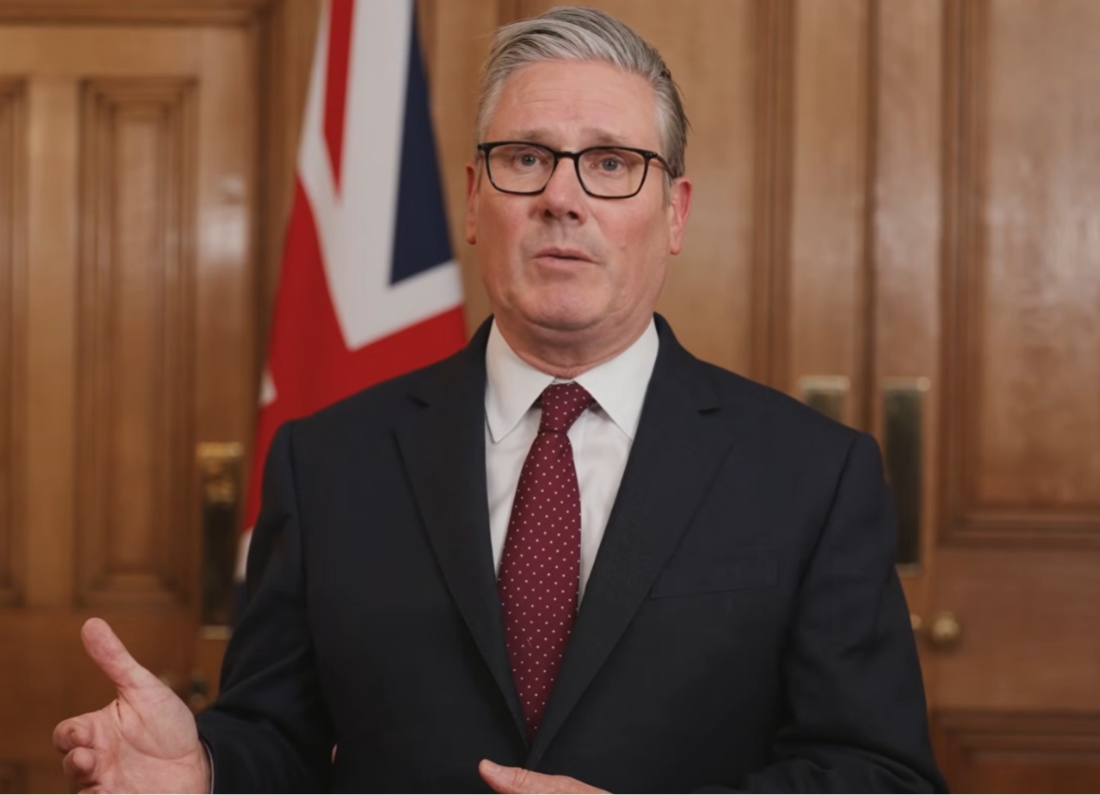
Morgan did not let the deflection pass. “Here’s the point,” he said. “If we discovered last week that Keir Starmer had taken £5,000,000 without declaring it from a crypto billionaire in Thailand, Reform UK would have gone absolutely berserk. What you are saying is hypocrisy. Total hypocrisy.”
The clip has been widely shared since Friday’s broadcast. The argument it makes is simple and unanswerable: the people now defending Farage’s failure to declare the gift are the same people who would have led the charge if the same facts applied to any of their political opponents. That is a definition of hypocrisy that does not require elaboration.
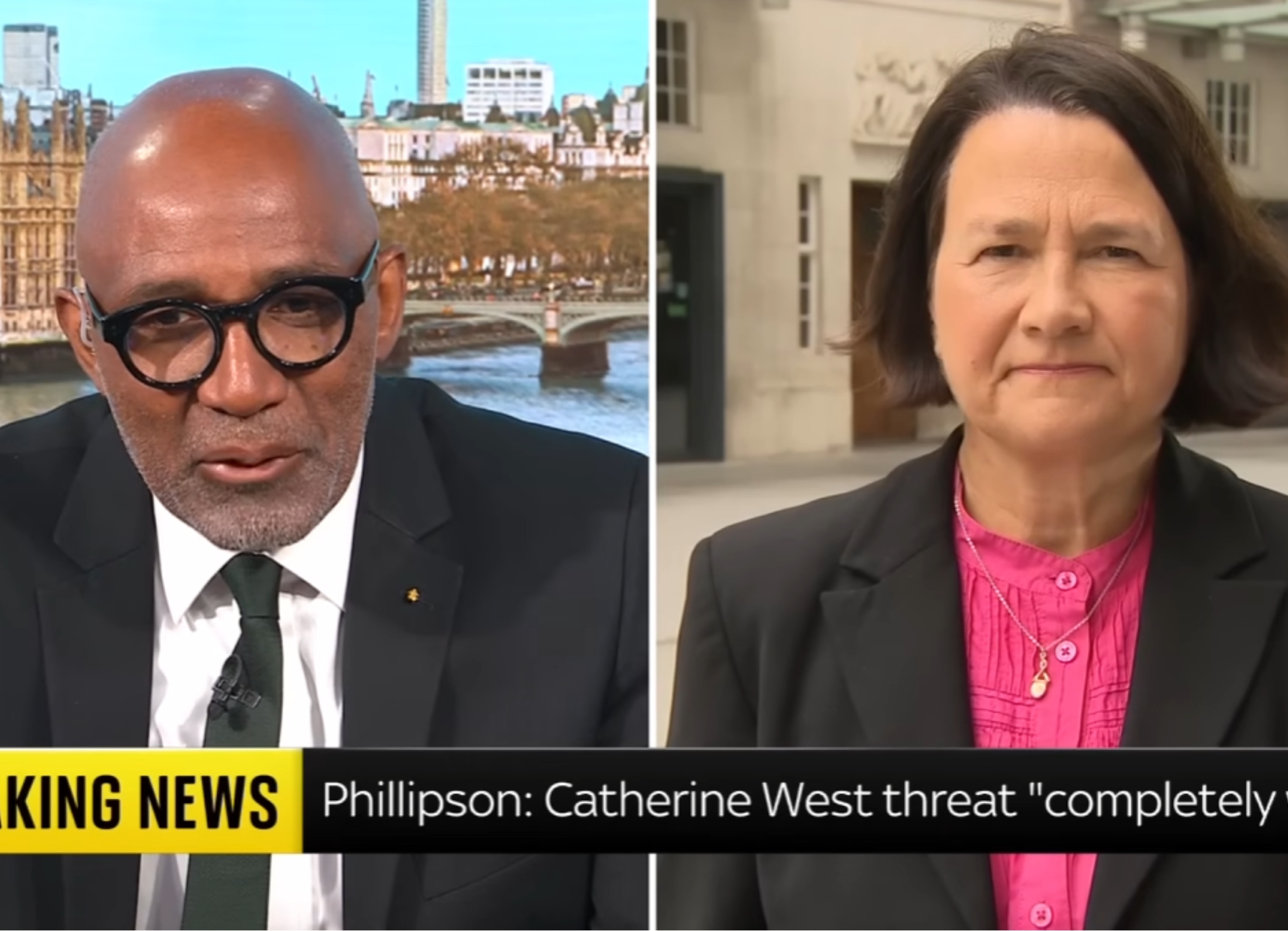
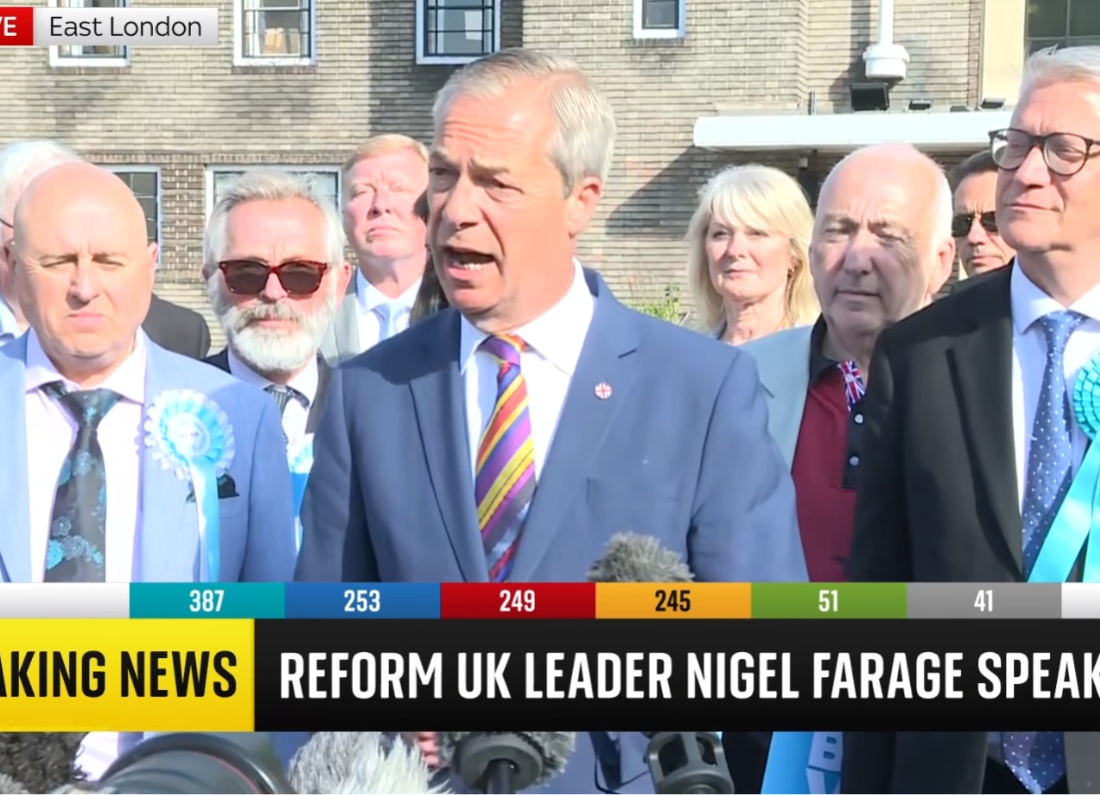
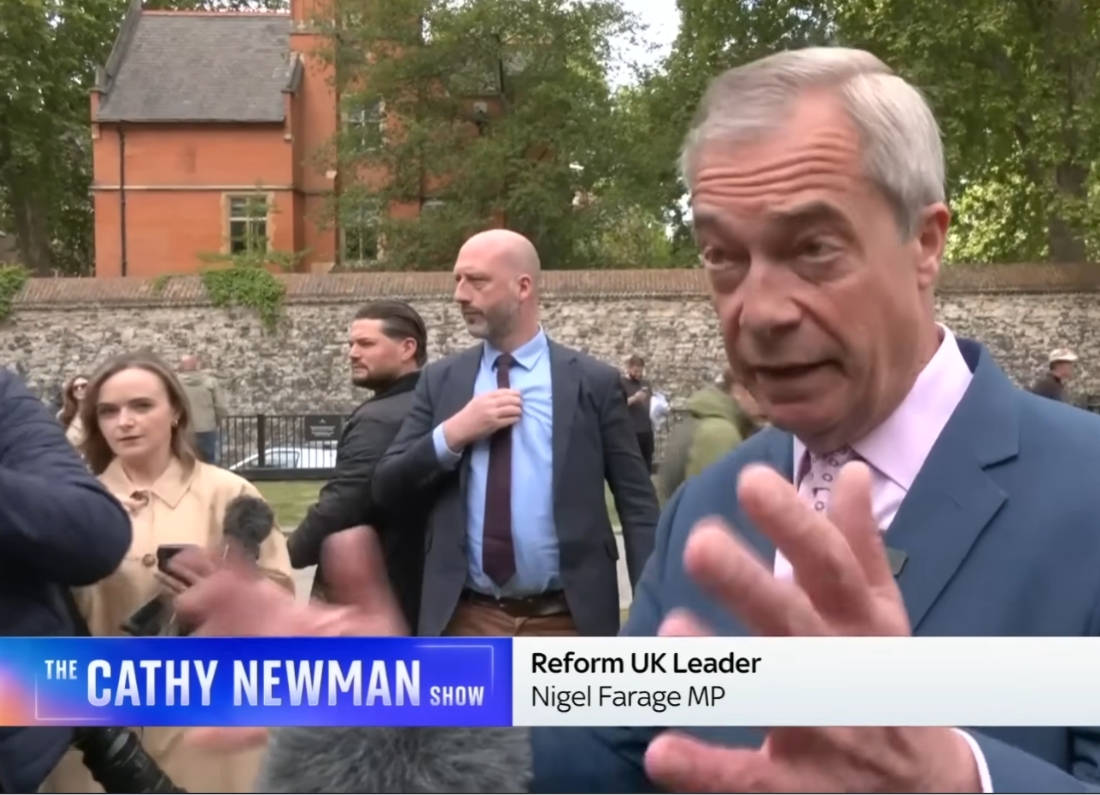
As we reported in our full coverage of Farage’s week-long pattern of media avoidance, Reform declined Newsnight, refused Politics Live, pulled Farage from Kuenssberg, had him walk away from Sky’s Cathy Newman and – at his own Havering victory press conference after the results came in – had Farage dismiss the question with “we’ll talk about that any other time you like.”
The double standard in context
Morgan’s point lands with particular force because of the specific history of Reform and its predecessors on political funding transparency. Farage spent years making the financial relationships between Labour and the trade unions a central plank of his anti-establishment pitch. Reform has made the funding of political parties – particularly Labour’s – a consistent line of attack.
The gift from Harborne is not the only financial story surrounding Reform’s leadership. As we reported in detail, Farage breached MPs’ rules 17 times by failing to register £384,000 in earnings. Reform deputy leader Richard Tice faces separate questions about tax compliance – as we covered in our reporting on his company’s alleged failure to pay £91,000 in tax and a second corporation tax scandal involving shell companies. Reform’s third-largest donor Ben Delo was pardoned by Trump for financial crimes before making his donation.
The cumulative pattern – not a single incident but a series of financial questions that have attracted minimal right-wing media coverage – is precisely what Morgan’s Question Time intervention highlighted. As we noted in our piece on Newsnight’s eight-minute Farage gift segment, the tabloids that spent years covering Labour’s financial links have had almost nothing to say about any of it.
Morgan’s verdict on Labour
Having landed the Reform hypocrisy argument, Morgan was equally direct about the party whose failures had created the conditions for Reform’s rise.
He asked the studio audience to raise their hands if they felt better off after two years of Labour government. Not a single person did.
“We have had a series of broken promises and policies which get a u-turn,” he said. “It has been shambolic. That is why you now have Reform surging. I give them credit for what they’ve done. But the difficult part for them comes now.”
He added: “People aren’t voting for Reform’s plethora of beautifully thought-out policies. We don’t know most of them, apart from immigration. What we do know is that they are a product of persistently failing governments over the last two years. This is a stain on their houses.”
The phrase “stain on their houses” – directed at successive governments rather than Reform specifically – captures something the Question Time audience clearly agreed with. Reform is not surging because of the quality of its ideas. It is surging because the alternatives have failed. Morgan’s observation is uncomfortable for Labour precisely because it is accurate.
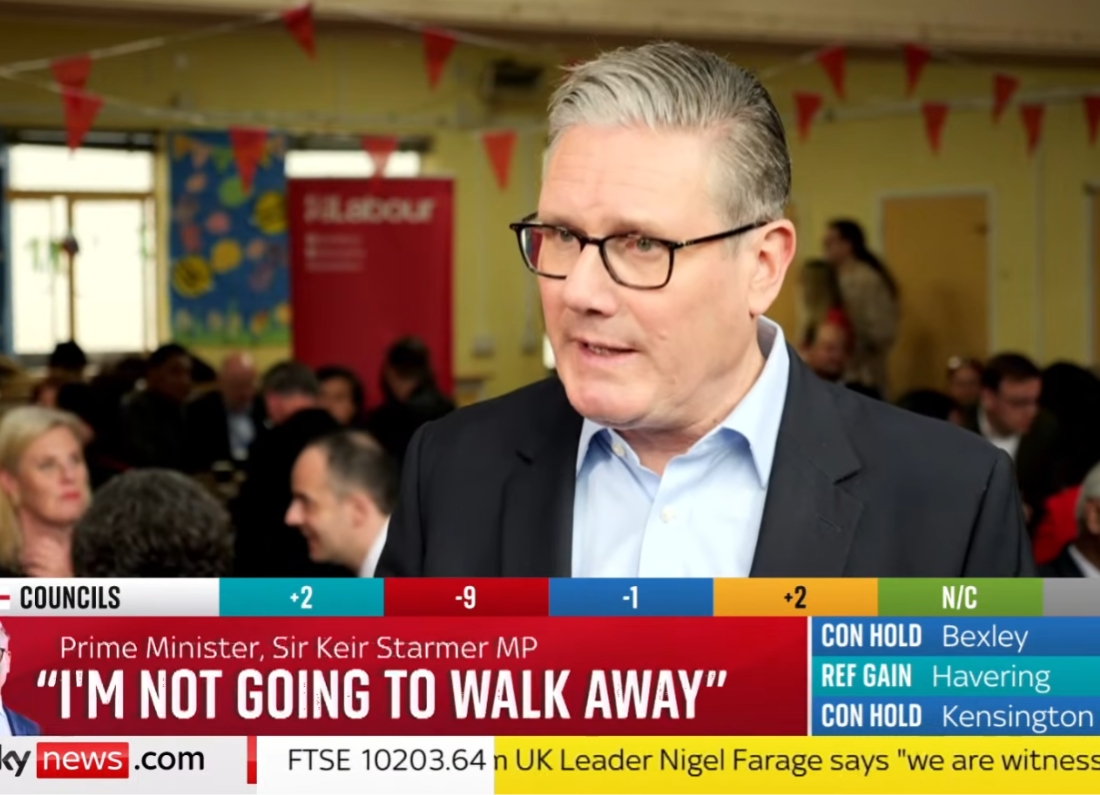
As we reported in our full coverage of the local election aftermath, Reform gained 1,440 council seats while Labour lost approximately 1,100. Labour has lost control of Wales, failed to unseat the SNP in Scotland, and suffered historic losses in English heartlands including Wigan – where it lost all 22 seats it was defending in a borough it had held continuously since 1906.
‘The difficult part starts now’
Morgan’s final observation about Reform deserves to be quoted in full: “The difficult part for them comes now.”
It is a prediction backed by evidence. As we reported in our analysis of Reform’s first year in local government, the party has already raised council tax on every council it runs after promising cuts, attempted to close care homes before being reversed by its own grassroots, scrapped climate targets and failed to identify significant efficiencies through its DOGE-style review units. The party now runs hundreds more councils after Thursday’s results.
The hypocrisy Morgan identified on Question Time – applying different standards to Farage than Reform would apply to its opponents – is one version of the accountability problem Reform now faces. The other is whether the party governing in practice will look anything like the party that won the argument about why it deserved to govern.
Morgan, to his credit, refused to let either party off the hook in the space of a single Question Time appearance.