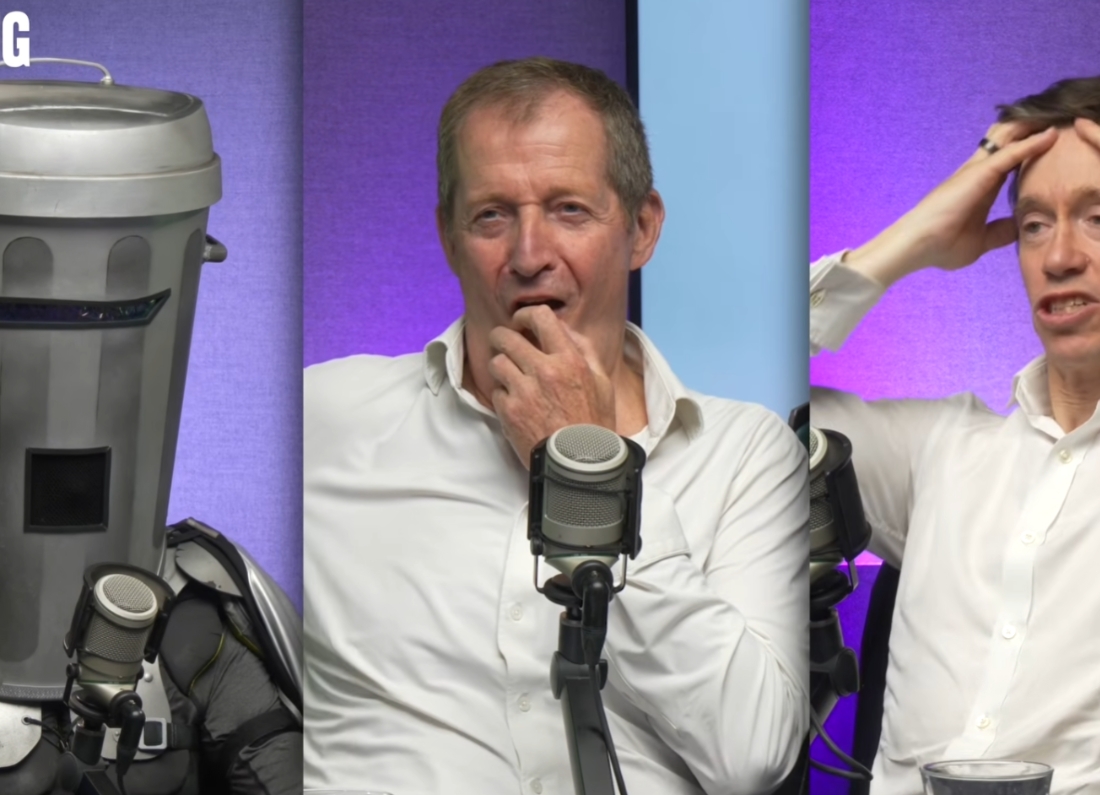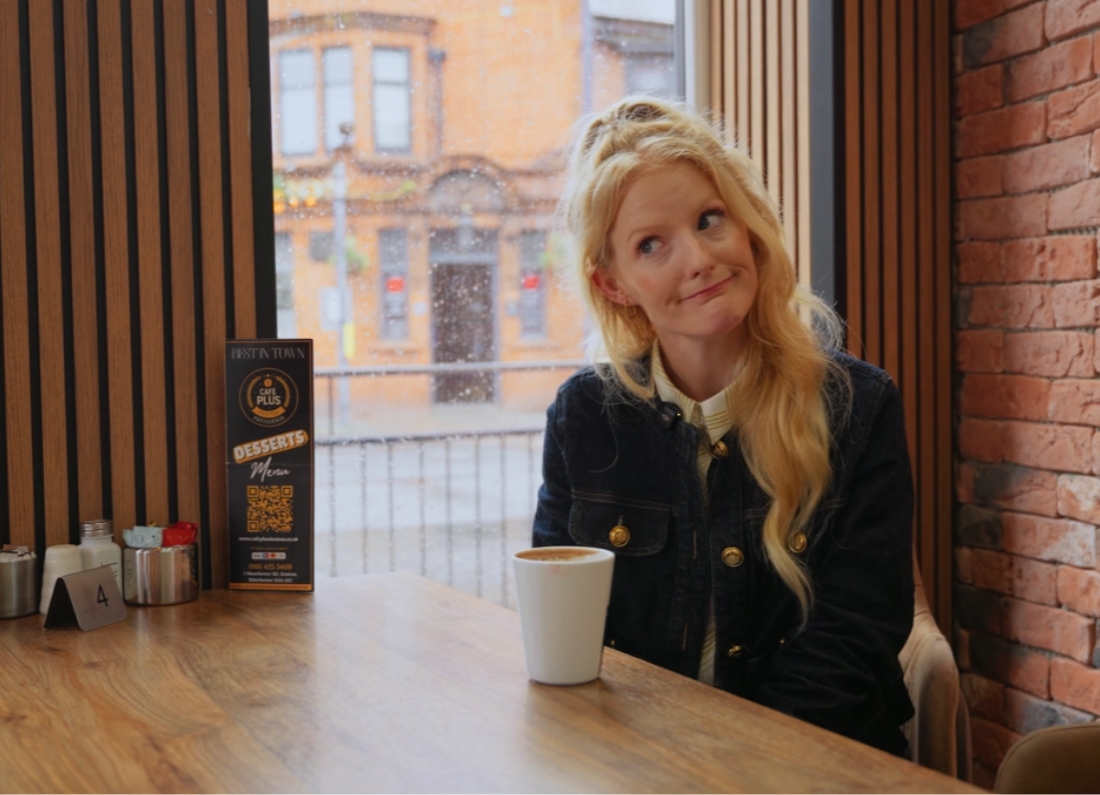
A row has erupted at Westminster after Green MP Hannah Spencer said she could smell alcohol on her colleagues as they walked between the parliamentary bars and the voting lobby – and the numbers behind the controversy reveal that British taxpayers are contributing £7.4 million a year to subsidise the food and drink operation in a parliament where MPs vote on the working conditions and wages of millions of people who are not allowed a drink on the job.
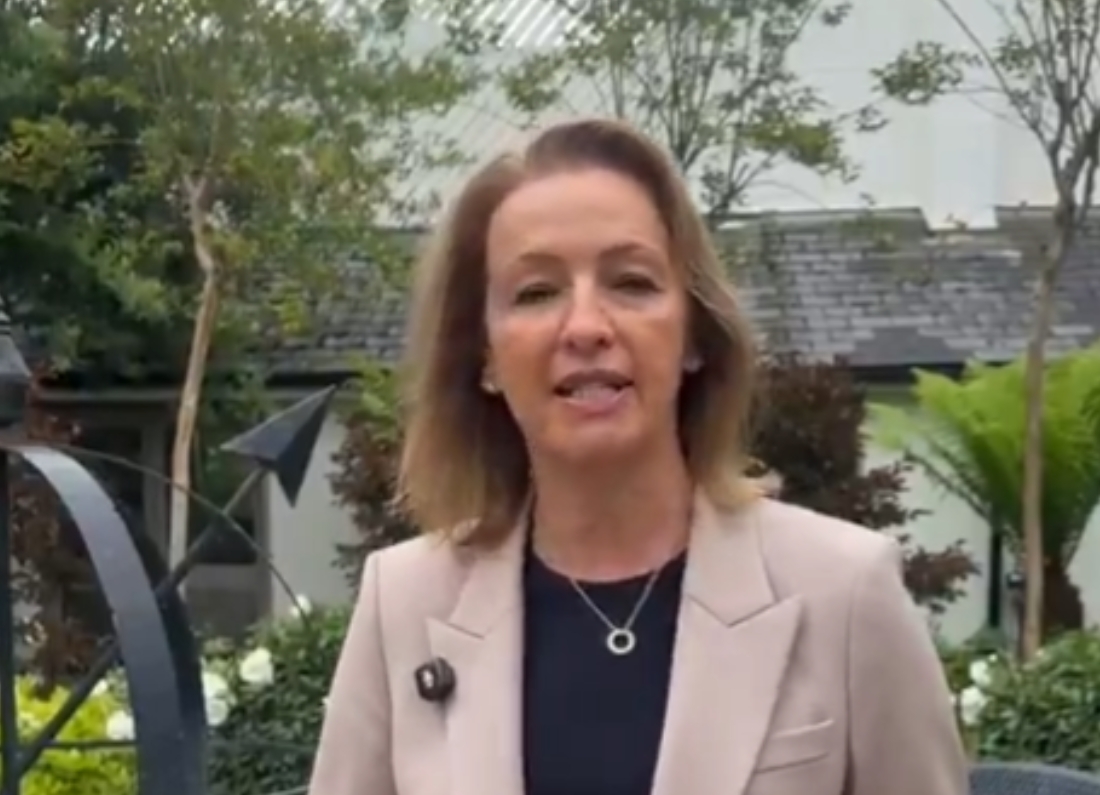
Spencer, the former plumber who won the Gorton and Denton by-election for the Greens in February in one of the most dramatic by-election results in recent years, told PoliticsJOE she was shocked by what she found when she arrived at Westminster.
“I’m really uneasy about it – I noticed this the other day,” she said. “You can smell the alcohol when people are in between votes. There’s a room where I walk past and I doubled back and looked in because people are just sat having a drink.”
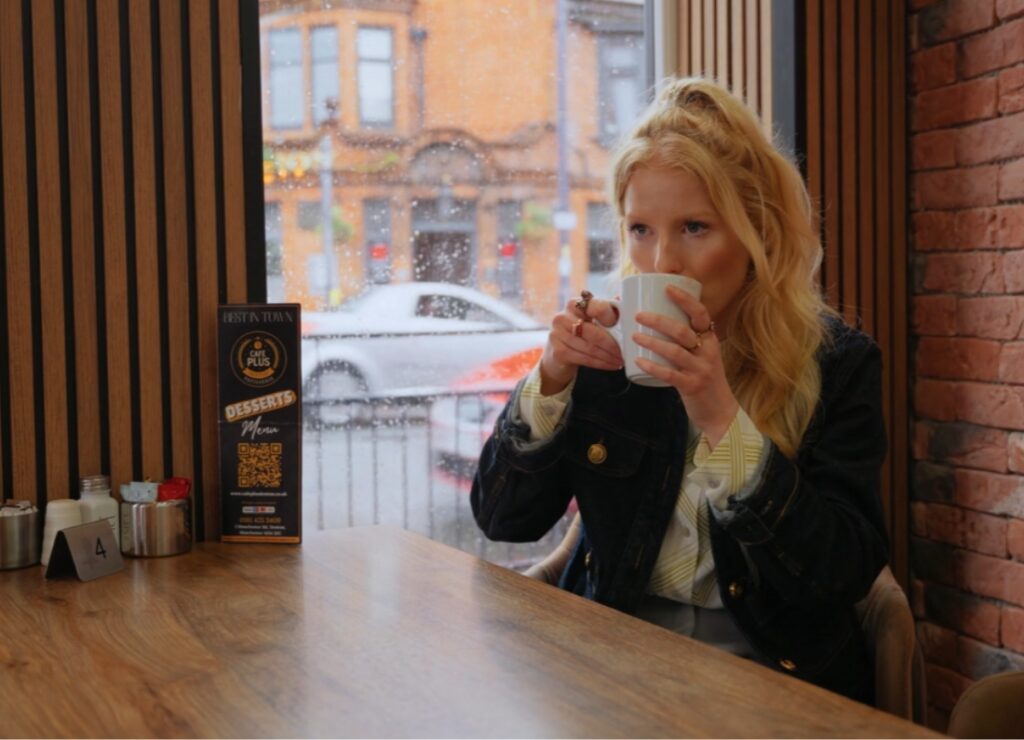
Her observation prompted a swift backlash from Labour MPs, a characteristically dismissive response from Nigel Farage, and a counter-attack from Green Party leader Zack Polanski that cut to the real issue. It has also shone a light on a specific and uncomfortable set of financial facts about how Westminster’s drinking culture is funded.
What the taxpayer actually pays for
Westminster’s bars, including Strangers’ Bar and The Woolsack, have long been part of parliamentary social life, offering cheaper drinks than nearby pubs. In 2023-24, Strangers’ Bar recorded £305,000 in sales but still made a £56,000 loss – despite paying no rent. The Commons catering operation as a whole required £7.4 million in taxpayer subsidies in 2024-25.
To put that in context: Strangers’ Bar charges £5.45 for a pint of Carlsberg, compared to around £7 in nearby pubs. Taxpayers are effectively contributing to a below-market drinking facility for the people who vote on austerity measures, disability benefit cuts and working conditions for everyone else. Parliament’s official position is that this is not technically a “subsidy” because the catering operation serves not just MPs but around 14,500 other pass-holders including staff. But the losses are real, the rent is zero, and the money comes from the public purse.
The Parliamentary Commissioner for Standards, Daniel Greenberg, acknowledged in 2023 that there have been “behaviour problems” linked to alcohol, but said it was for MPs themselves to decide on changes. “It is something that MPs are looking at for themselves,” he said, noting that attitudes to alcohol in the workplace have shifted across society.
Those changes have not materialised. And this week, a newly arrived MP decided to say so out loud.
Spencer’s argument – and why it matters
Spencer’s broader point went beyond what she smelled in the corridor. She linked the drinking culture directly to what she described as “questionable and dangerous behaviour allegedly from MPs with staff” – a reference to a documented pattern of incidents that have been the subject of formal investigations and watchdog reports.
Spencer’s full quote, which received less coverage than the alcohol comment, was this: “I don’t think it’s much to ask for an MP to be sober when they vote on decisions that affect everyone else.”
That is not a radical position. The Health and Safety Executive’s own guidance treats alcohol in the workplace as a health and safety risk requiring risk management, policy, support and – where appropriate – disciplinary action. A 2023 report from parliament’s own behaviour watchdog expressed concern that Westminster’s drinking culture had “directly led to incidents of intimidating behaviour” and created an unsafe environment for staff. Former chief of staff to Keir Starmer, Sue Gray, previously said she wanted to shut down the Commons bars entirely. Nothing changed.
Spencer connects all of this to a broader class argument. She described herself as coming from “a background of normal jobs” – she is the first female plumber to become an MP, she qualified as a plasterer while campaigning – and said Westminster’s drinking culture was a symptom of how detached the institution is from ordinary working life.
“I can’t imagine if a cleaner did that, or someone working in a bank had a few drinks and then went back to work smelling of alcohol – that just wouldn’t happen,” she said. “Life doesn’t work like that. So why does it work in somewhere where arguably the most important decisions get made?”
The backlash from Labour
Several Labour MPs responded with what can only be described as institutional defensiveness.
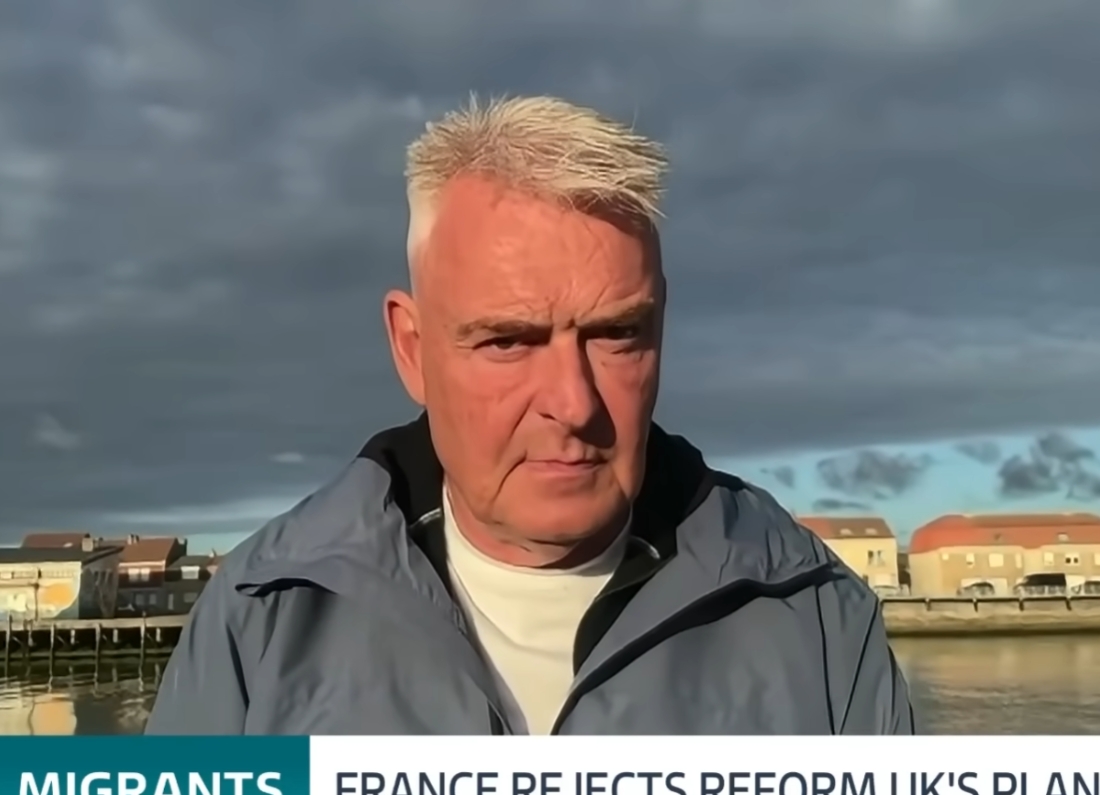
Luke Charters, Labour MP for York Outer, posted on X: “Breaking news: MPs are human and sometimes have a drink. Classic clickbait farming. MPs work long days for constituents, and yes, sometimes share a drink in the evening with colleagues. Last week I was scandalously spotted with… an alcohol-free pint or two between votes.”
Natalie Fleet, Labour MP for Bolsover, said that “working in a palace is mad” and that the smell of “fags and beer” was one of the things “that make it seem a tiny bit normal.”
The problem with both responses is that they reframe Spencer’s point. She did not say MPs should never drink. She said MPs should be sober when they vote. The shift from “drinking between votes” to “sometimes having a drink in the evening” is the kind of quiet reframing that does not survive contact with the original quote.
A newer generation of MPs – many elected in the 2024 general election – have expressed a desire to reassess the role of in-house bars. Liberal Democrat MP Steff Aquarone has argued for updates to Parliament’s drinking norms to reflect broader societal changes, which could include restricting or eliminating daytime access to bars.
Farage, Polanski and the drug policy non-sequitur
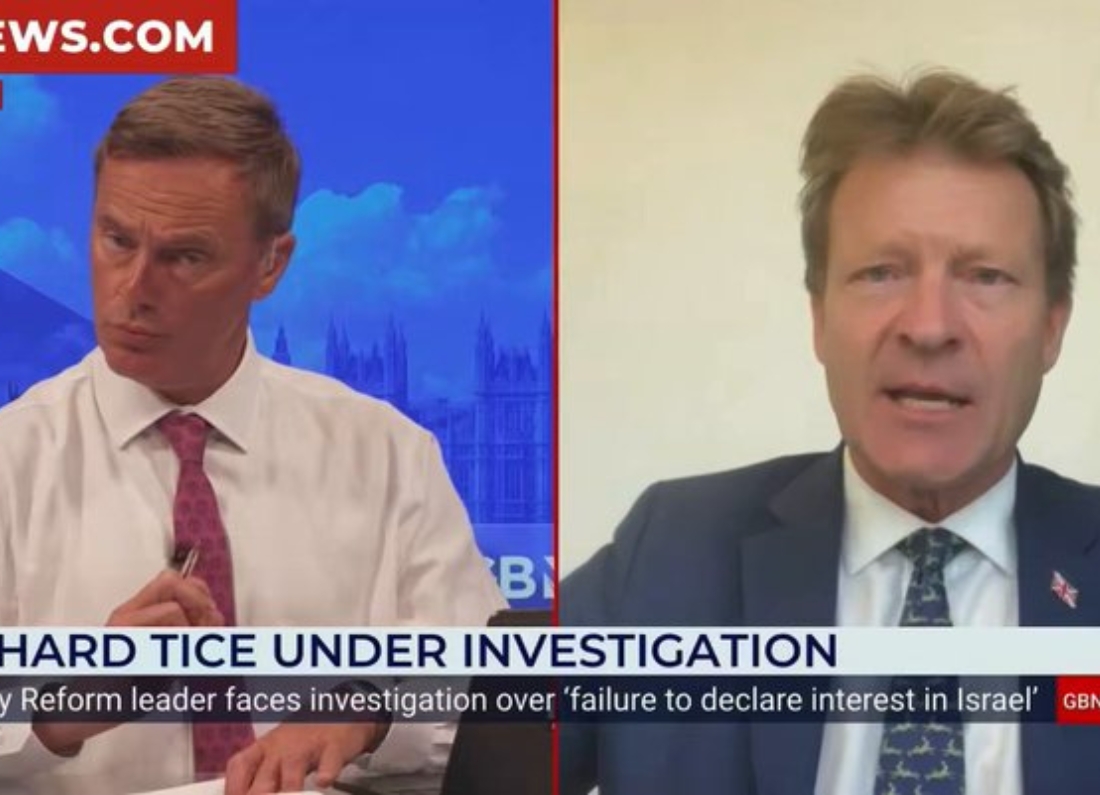
Nigel Farage entered the debate on Sunday evening with a response that was trademark misdirection. “The Greens are happy to legalise heroin and crack, but now we learn they think an afternoon pint is a step too far,” he wrote on X.
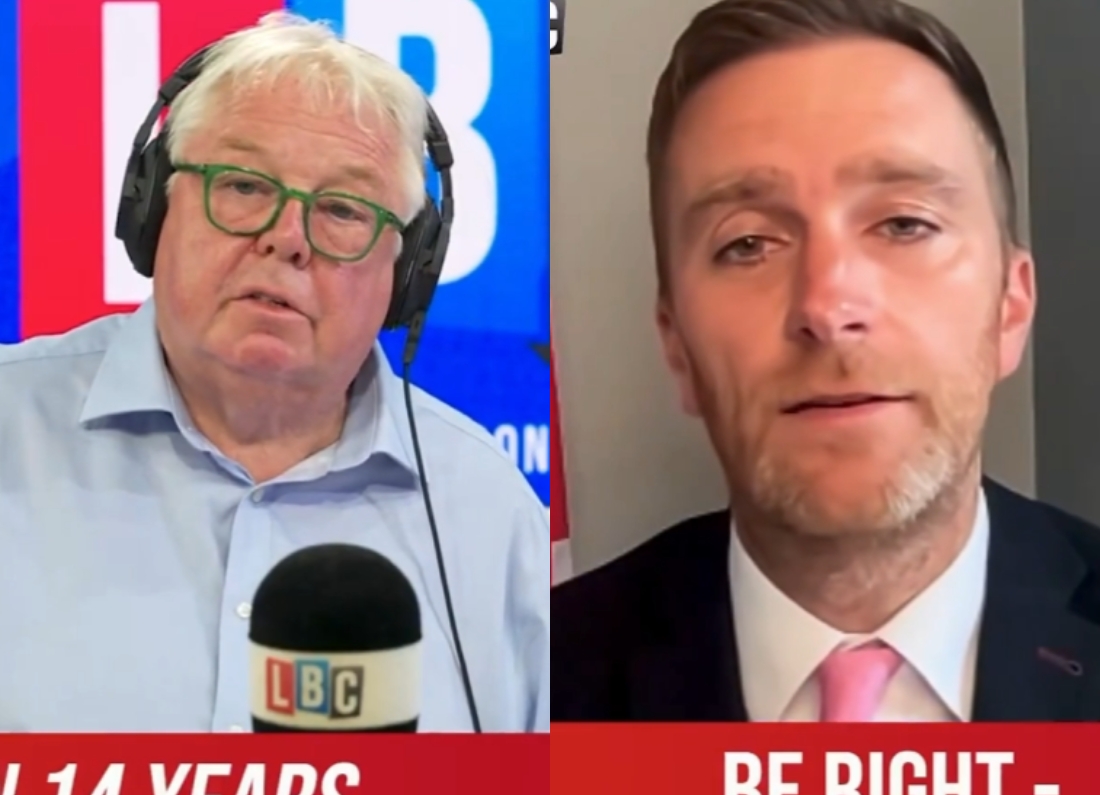
Polanski’s reply was sharp: “Of course Farage misrepresents what Hannah is saying. ‘An afternoon pint’ is different to drinking on a work day and then going to vote on decisions for millions of people. I’d explain this to him but he’s been running away from a debate with me for months and months.”
The drug policy point is worth addressing directly because it will be repeated. The Green Party’s position on drug decriminalisation is about diverting users into treatment rather than criminalisation – a policy that has evidence behind it from Portugal, Switzerland and elsewhere. It has nothing to do with whether elected legislators should be sober when they cast votes that affect the lives of millions of people. Farage conflating the two is a rhetorical tactic, not an argument.
The support Spencer received
Northern Irish Alliance MP Sorcha Eastwood gave Spencer her most direct public backing. “Can’t get my head around this. I worked in Tesco, Manufacturing, the Health Service and Construction. Guess what? We all worked long hours, mostly on low pay and we had considerable levels of pressure. MPs drinking during work in Parliament – the place we make laws for all the other workers – and it’s ok for us to drink during work? If an NHS worker drank on shift they’d be sacked. It’s clear so many of them have never worked an ordinary job in their lives.”
Eastwood’s comparison is the sharpest frame for this debate. An NHS nurse who drinks on shift loses their job and potentially their professional registration. A police officer who drinks on duty faces criminal charges. A bus driver who drinks at the wheel faces prosecution. The people who make the laws that create those consequences are themselves subject to no equivalent rule – and are, in fact, subsidised by the taxes of the people those rules apply to.
The numbers in full
The case for reform is not just cultural – it is financial and legal.
Parliament’s catering operation costs British taxpayers £7.4 million a year. Strangers’ Bar alone lost £56,000 last year despite paying no rent and charging below-market prices. The Health and Safety Executive is clear that workplace alcohol is a legal risk management issue requiring formal policy. The parliamentary behaviour watchdog has linked the culture to documented incidents of misconduct and intimidation. And the institution’s own Commissioner for Standards has acknowledged the problem exists.
Against all of that, the defence amounts to: the hours are long, the job is stressful, and this is how it has always been done.
So, by the way, was the ban on women voting, the smoking in the chamber, and the exclusion of members from working-class backgrounds. Some traditions exist for reasons. Some exist because no one has yet had the nerve to end them. Spencer’s intervention suggests that the patience of the people paying for this particular tradition may be running out.
You can watch Hannah’s full interview below:
You may also like: Wes Streeting has taken £372,000 from private health donors – and just gave himself power over NHS drug prices. Is it time to ask who he’s really working for?