

A divided Supreme Court on Tuesday upheld a broad conception of birthright citizenship, rejecting President Donald Trump’s executive order declaring that children born in the United States to people who are there illegally or temporarily are not American citizens.
By a 6-3 vote, the court struck down Trump’s order. A bare majority of five justices, in an opinion written by Chief Justice John Roberts, held that the long-settled understanding of the 14th Amendment, adopted after the Civil War, makes a citizen of anyone born in the country, with very limited exceptions.
“Citizenship, then and now, was the right to have rights, to freely participate in our political community,” Roberts wrote for the court, citing congressional debate over the amendment. “The Framers of the Fourteenth Amendment extended that promise to ‘every free-born person in this land.’ We keep that promise today.”
A split court, a long dissent
A sixth justice, Brett Kavanaugh, disagreed with the constitutional reasoning but pointed to a federal law that he said broadly conveys birthright citizenship regardless, meaning his vote effectively sided with the majority outcome while leaving the door open for a future Congress to change the underlying statute. Justices Samuel Alito, Neil Gorsuch and Clarence Thomas would have upheld Trump’s restrictions outright.
Thomas wrote a 91-page dissent, more than three times the length of Roberts’ opinion. “The Court today takes the extraordinary step of holding facially unconstitutional the President’s Order excluding from citizenship the children of foreign temporary visitors and illegal aliens,” he wrote. “In doing so, the Court adds to the sad history of the Fourteenth Amendment, which was designed and understood to secure equal rights for the freed blacks but has instead been repurposed for political projects that the Reconstruction Congress did not support.”
What the order would have done
Trump’s restrictions, signed on the first day of his second term as part of his administration’s broad immigration crackdown, had already been blocked by several lower courts and never took effect anywhere in the country. More than a quarter of a million babies born in the US each year would have been affected, according to research by the Migration Policy Institute and Pennsylvania State University’s Population Research Institute. While Trump’s rhetoric focused on illegal immigration, the restrictions would also have applied to children of people legally in the country, including students and green card applicants.
The Trump administration had argued the long-standing interpretation of citizenship was wrong, asserting that children of noncitizens are not “subject to the jurisdiction” of the United States and are therefore not entitled to automatic citizenship. Lower courts had repeatedly rejected this, citing the Supreme Court’s 1898 ruling in Wong Kim Ark, which held that the US-born child of Chinese nationals was a citizen. Roberts, joined by Justice Amy Coney Barrett and the three liberal justices, found that the amendment’s language, its historical context and the 1898 precedent all confirmed that children born to parents illegally or temporarily in the US “are citizens at birth.”
Trump’s response
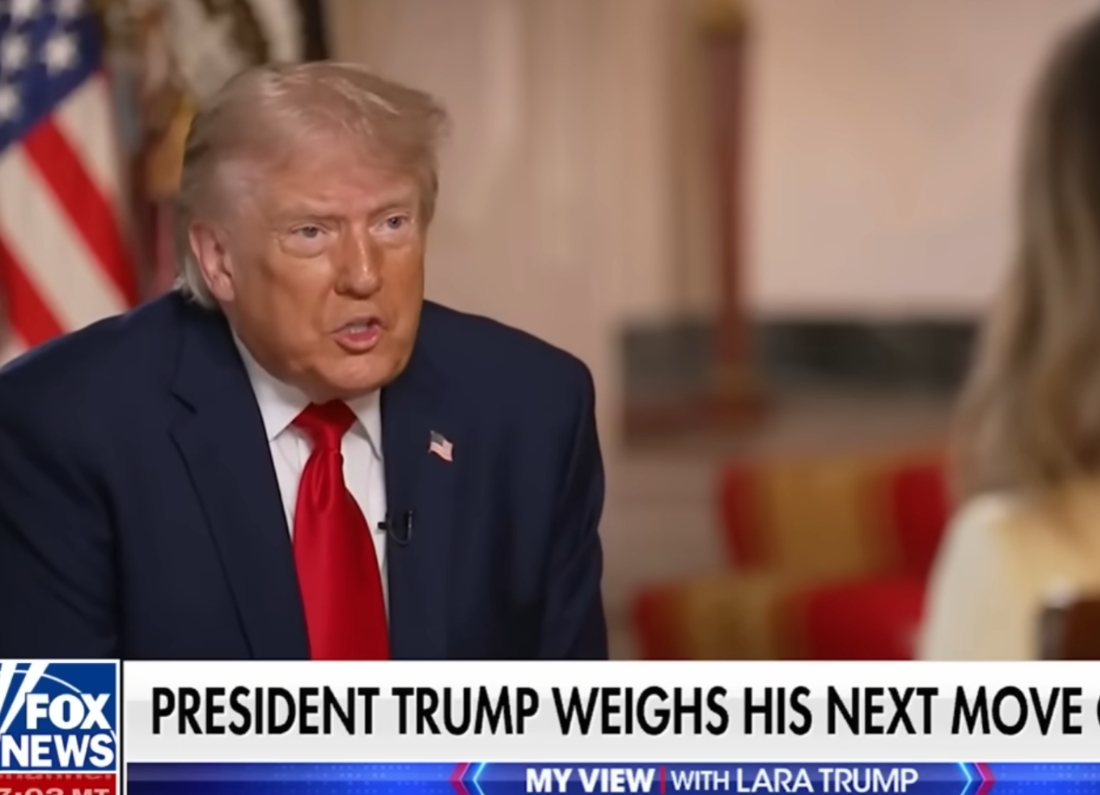
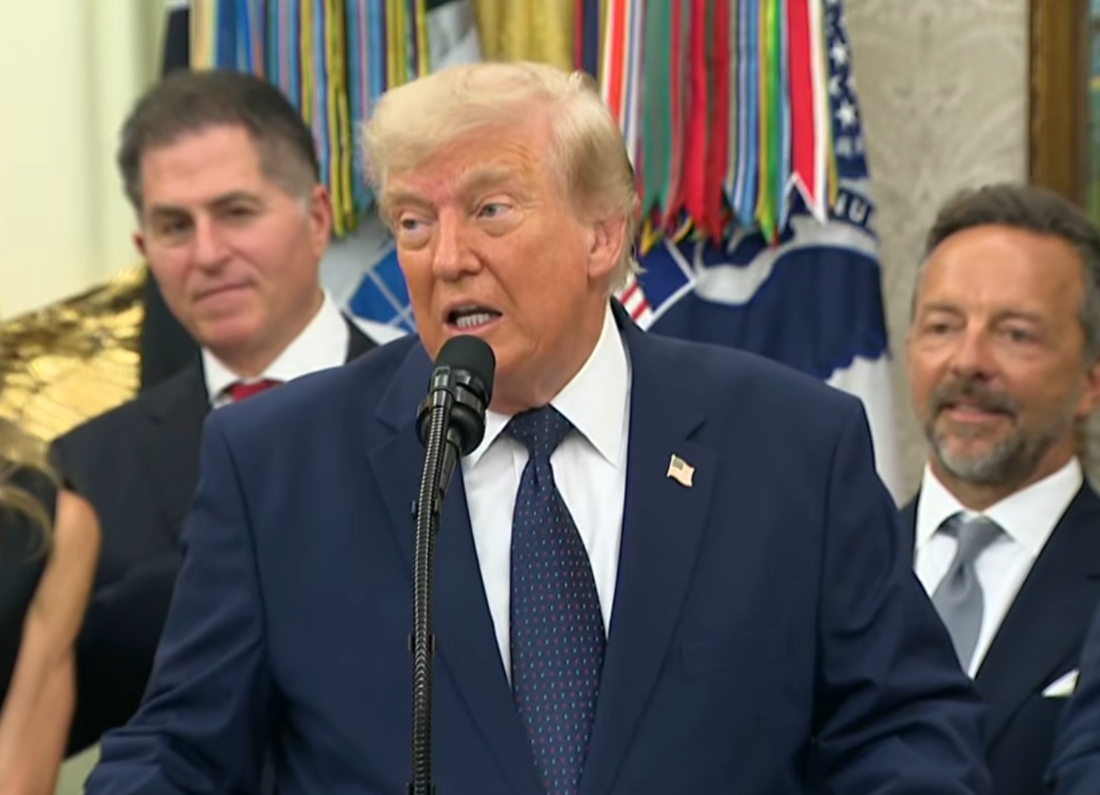
Trump reacted to the ruling by saying it was “too bad for our Country” and wrongly suggesting Congress could “easily” legislate around the decision. The majority ruling, however, rests on constitutional grounds, meaning it would take a constitutional amendment, not ordinary legislation, to overturn it.
This is not the first major reversal Trump has faced at the Supreme Court despite its conservative majority. The justices previously struck down the global tariffs Trump had imposed under an emergency powers law that had never been used in that way before, a ruling that prompted Trump to say he was “ashamed” of the justices who ruled against him and call them unpatriotic. Even before this latest ruling, Trump appeared to anticipate defeat, using Truth Social to attack “dumb judges and justices” and criticise wealthy pregnant women from China and elsewhere who travel to the US specifically to give birth so their children gain American citizenship.
The wider pattern
Birthright citizenship was the first Trump immigration policy to reach the Supreme Court for a final ruling, and the case was magnified by Trump’s own unprecedented attendance in the courtroom during April’s oral arguments, where both conservative and liberal justices questioned the order’s legality. The case represented another test of Trump’s broader assertions of executive power that defy long-standing precedent, before a court that has a robust view of presidential authority and has ruled in his favour on most major questions. In the notable exceptions where it has not, Trump has consistently responded with personal attacks on the justices involved.
Maggie Haberman’s reporting for her new book Regime Change has documented the extent to which Trump’s second term has been defined by an unprecedented willingness to test the limits of presidential power, helped by a Supreme Court immunity ruling and a sense, as Haberman put it, that “consequences really don’t impact him this time.” Tuesday’s birthright citizenship ruling is a rare instance of those limits actually holding.
The justices ruled on Trump’s appeal of a lower-court decision from New Hampshire that had struck down the citizenship restrictions. The order remains blocked, the underlying constitutional question is now settled at the highest level, and any future attempt to restrict birthright citizenship in the way Trump envisaged would require amending the Constitution itself, a far higher bar than the executive order route the administration originally pursued.






Leave a Reply