


Reform MP Sarah Pochin has been condemned after using France’s defeat by Nazi Germany in 1940 to attack the French government during a row over her party’s small-boats policy.
France had objected to Operation Fortress, Reform’s proposal to intercept boats in the English Channel using the Royal Navy and return those aboard to France or Belgium. A spokesperson for the French interior ministry said the plan would violate French sovereignty, maritime law and international law.
Pochin responded on X: “Pity the French did not show the same resolve in defending their sovereignty in June 1940.”
The post immediately drew criticism from people pointing to the tens of thousands of French soldiers killed during the German invasion and the role French forces played protecting the evacuation of British troops from Dunkirk. An X Community Note attached to the post said between 90,000 and 100,000 French soldiers were killed during the Battle of France. Community Notes are written and rated by contributors rather than being formal findings by X, and historical estimates vary, the French Defence Historical Service has previously put military deaths during the 1940 campaign at between roughly 55,000 and 85,000, with over 100,000 wounded and around 1.5 million taken prisoner.
Whatever figure is used, Pochin’s suggestion that France failed to show sufficient “resolve” treated one of the country’s greatest military disasters, and the deaths of tens of thousands of Allied troops, as material for a political swipe.
What actually happened in France in 1940
Nazi Germany invaded France, Belgium, Luxembourg and the Netherlands on 10 May 1940. German forces broke through the Ardennes, reached the Channel, and trapped British, French and Belgian troops in northern France.
The campaign ended in defeat, but it was not the bloodless surrender implied by Pochin’s post. French troops fought alongside British and other Allied forces throughout, and rearguard actions at Calais, Boulogne, Lille and elsewhere helped slow the German advance and bought the Dunkirk evacuation additional time. More than 338,000 Allied personnel were evacuated, including substantial numbers of French troops. Tens of thousands of French soldiers remained behind, were killed, wounded or captured, while others continued fighting through the Free French forces and the Resistance.
The National Army Museum’s account of the 1940 campaign says the evacuation succeeded partly because of “dogged rearguard actions” that bought time for those waiting on the beaches. Even Winston Churchill warned against presenting Dunkirk as a straightforward British victory, telling Parliament: “Wars are not won by evacuations.”
Pochin’s intervention managed to insult a country Britain depended on during the war while getting the history badly wrong.
What Operation Fortress would actually do
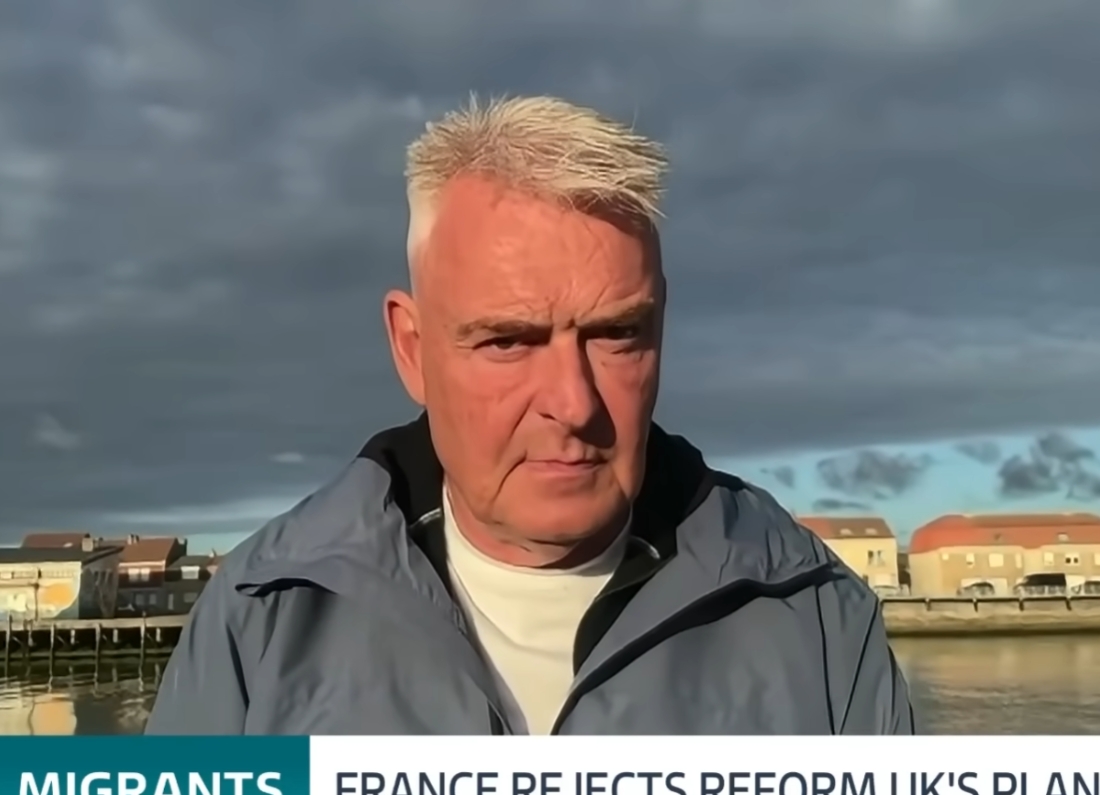
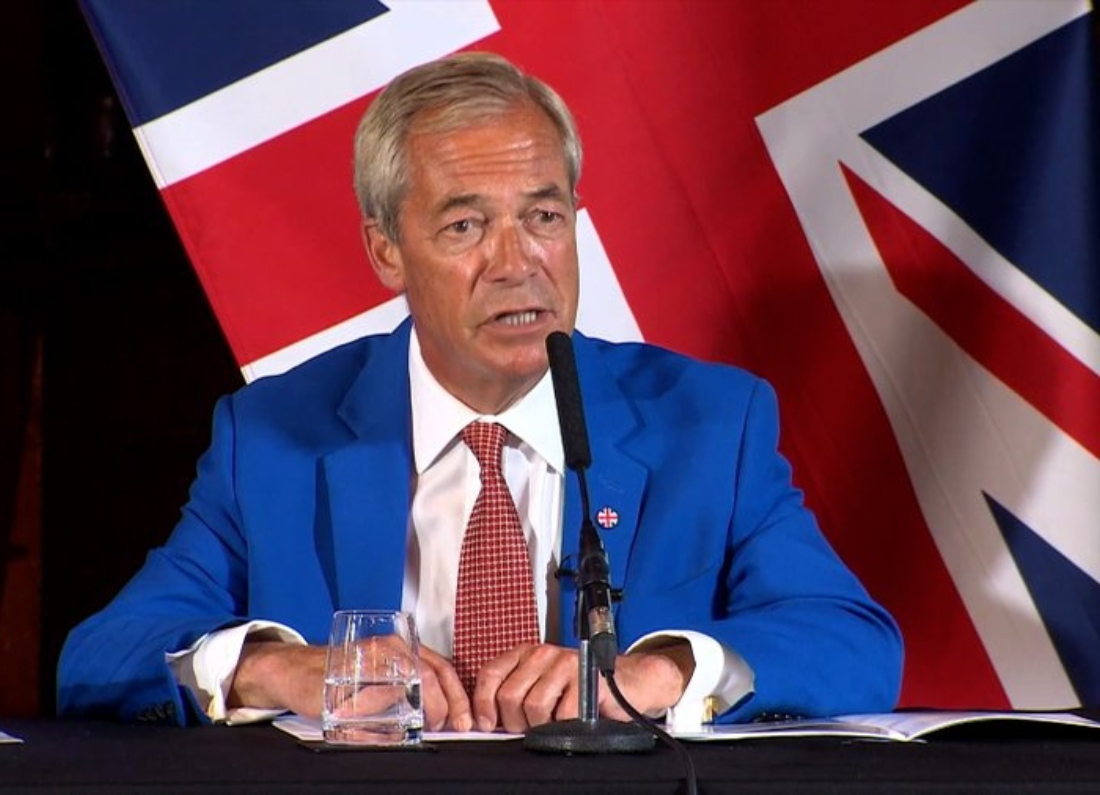
Reform announced Operation Fortress on Monday, calling it the largest military operation in the Channel since the Second World War. The plan would bring the Royal Navy, Royal Marines, RAF, Army, Border Force, Coastguard and Home Office under a joint command, using surveillance to identify every unauthorised launch from the French and Belgian coasts, then intercepting boats in the Channel and returning those aboard to France or Belgium. Nigel Farage has claimed the policy could stop small-boat arrivals within two weeks of a Reform government taking office.
Farage and Zia Yusuf insist the operation would be lawful because the military would be conducting rescues rather than physically pushing overloaded dinghies back across the Channel. That description doesn’t resolve what happens after a rescue. France has repeatedly said the UK cannot simply unload people on French territory without permission, and the law of the sea doesn’t automatically let a rescuing state choose whichever foreign country it wants as the destination. The French interior ministry’s response was unambiguous: “This would constitute a violation of French sovereignty, as well as a violation of the law of the sea and international law.” Reform hasn’t explained how British vessels would return people without French agreement, or what the Royal Navy would do if French authorities simply refused to accept them.
A former commander already said the ships don’t exist
Former Royal Navy commander Tom Sharpe has separately questioned whether Britain even has the vessels for an operation this size. “When you start looking at what ships we have, which is basically none, he’s talking about the largest maritime operation in the Channel since World War Two,” he told BBC Radio 4’s Today programme, arguing the plan begins to “unravel quite quickly” once you ask which ships would be deployed and where those rescued could legally be taken. “A billion-pound warship that’s configured for anti-air warfare or anti-submarine warfare, which are both threats to the UK, is not best used ferrying people around. You’re better off using an actual ferry.”
Yusuf criticised the BBC for interviewing Sharpe before Reform published the complete policy document, an objection that didn’t answer the actual points about fleet size or French cooperation. A previous Conservative attempt to place the Royal Navy in charge of Channel operations, Operation Isotrope, never stopped crossings either, and plans to turn boats around were abandoned amid legal challenges, safety warnings and fears the manoeuvre could capsize overcrowded vessels.
Reform returns to immigration as pressure mounts elsewhere
Operation Fortress has landed during an increasingly difficult stretch for Reform and Farage. A new YouGov survey found only 22% of Britons view Farage favourably, with 68% unfavourable, giving him a net rating of minus 46, the joint-lowest recorded in the tracker’s ten-year history. Reform also lost the recent Greater Manchester mayoral election, with Labour taking 47% of first-preference votes against Reform’s 21%.
Farage is meanwhile campaigning to regain his Clacton seat after resigning and triggering his own byelection, following parliamentary investigations concerning the £5m gift from Christopher Harborne and benefits reportedly provided by George Cottrell. Farage denies wrongdoing and says scrutiny of his finances amounts to an establishment campaign against him.
Labour has accused Reform of reviving an impractical small-boats policy to change the subject. Reform insists immigration remains one of the public’s biggest concerns and says both Labour and the Conservatives have failed to stop dangerous crossings. None of that required Pochin to mock France’s wartime casualties.
Not Pochin’s first controversy
Pochin entered Parliament after winning the Runcorn and Helsby byelection by just six votes in May 2025. She’s since attracted criticism repeatedly. In October, she apologised after saying it “drives me mad” to see television adverts “full of black people, full of Asian people,” maintaining she’d intended to criticise diversity policies in advertising rather than the people themselves. In June, she was criticised for urging England’s football team to keep winning because domestic abuse increases around major tournaments, with Refuge saying her remarks risked shifting responsibility away from perpetrators. She was also told to “think carefully” in the Commons after a question that risked drawing attention to visits to Special Forces headquarters.
How people responded
The World War Two remark produced an immediate backlash. @JohnTaylor1 asked how many more French casualties Pochin believed would have demonstrated sufficient resolve: “80,000 odd dead, 120,000 wounded in the defence of France in WW2, that’s not including civilians. How much slaughter would you expect, what would satisfy you?”
@johnmfitzp called the post “outrageous” and said it was unfit for someone sitting in Parliament.
@ObsDelphi reminded her of the role French forces played around Dunkirk: “It was the French that saved the British in Dunkirk, do not insult all those who died for your freedom.” @oldishbird1 called the comment about a British ally “absolutely disgusting.” @mcsurfyni wrote: “Never forget what our brave men and women went through with all our allies as well.”








Leave a Reply