

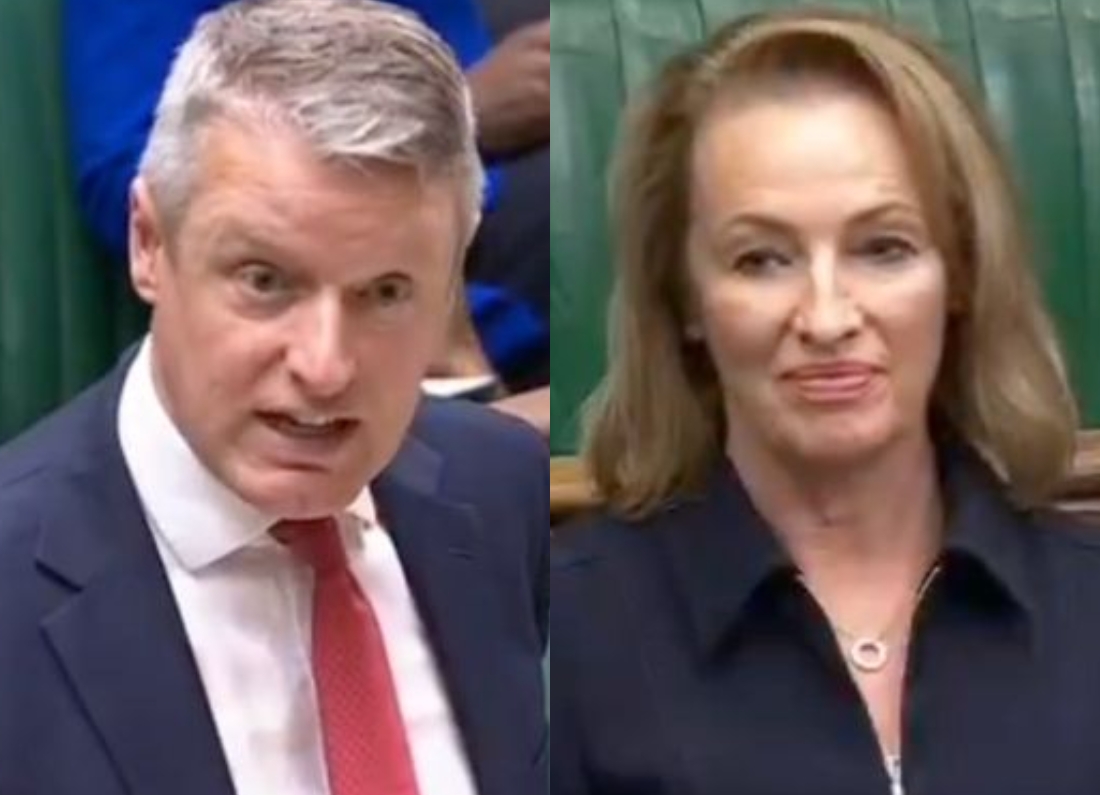
It seemed like a neat attack line. The Defence Investment Plan is delayed, senior defence ministers have resigned, and Labour is under sustained pressure on military spending. Sarah Pochin, the Reform MP for Runcorn and Helsby, stood up during an urgent question and asked whether the Prime Minister had ever visited Special Forces headquarters in Hereford.
She had been told by “a reliable source,” she said, that he had not. Was this, she asked Defence Minister Luke Pollard, “a reflection of how low down defence is on his priorities list?”
Pollard did not need to dodge it. He could reject the premise entirely, wrap the response in national security, and use the opportunity to explain to a relatively new MP why governments of all colours have always handled these questions the same way.
That is exactly what he did.
“I know that she is relatively new to the House,” Pollard said, “but it is a really important rule that we do not comment on special forces.”
He went on: “We neither confirm nor deny activities or visits to any special forces location. We do that deliberately, because any question that helps define who is where and what they are doing is of benefit to our adversaries.”
This is not a convention that was invented to protect Keir Starmer. It applies regardless of who is in government and has done for decades. The point is not whether Starmer has been to Hereford. The point is that ministers do not confirm or deny anything that could help hostile states build a picture of Special Forces movements or operational patterns.
Pollard was not finished.
“I appreciate that she was looking for a ‘gotcha’ question,” he said, “but let me take her back to the important thing: we do not comment on special forces. I suggest that she thinks carefully before asking questions like that again.”
The trouble with the question is not just that it was procedurally wrong. It is that it was procedurally wrong in a way that gifted Pollard a near-perfect response. He did not have to defend Starmer’s defence record, engage with the delays to the investment plan or explain the resignations of John Healey and Al Carns – both of which, as we reported in our Healey resignation piece, represent a genuine political problem for the Government. Instead he could deploy national security protocol, deliver a mild public dressing-down, and exit the exchange looking considerably better than he went in.
There were plenty of legitimate questions available. The Defence Investment Plan has been delayed repeatedly and was still unpublished at the time of the debate. It would ultimately raise defence spending by just 0.08 of a percentage point of GDP by 2030. The funding was backloaded. Two ministers resigned over it. The gap between what was promised and what was budgeted is documented and damaging.
Any of those would have been a serious question that Pollard would have found harder to answer.
Instead the question was about whether the Prime Minister had visited a specific Special Forces site, sourced from an unnamed “reliable source.” The answer could only ever be a refusal to engage, and the refusal was delivered in a way that made Reform look careless on precisely the issue they had turned up to exploit.
Pochin won Runcorn and Helsby in the 2025 by-election by six votes – one of the tightest results in recent by-election history and one of Reform’s most significant Westminster breakthroughs. She has been finding her feet since. Last month Speaker Lindsay Hoyle told her “one of us is going to give way and it’s not going to be me” after she continued speaking during a Commons exchange, then ordered her to sit down when she tried to carry on.
Parliament has a way of teaching these lessons. The Commons rewards preparation and punishes the question that sounds good in the prep session but falls apart under the chamber’s specific conventions. The Special Forces question sounded like it could land as a clip. It landed instead as a tutorial in national security protocol delivered by the minister she was trying to skewer.
Pollard’s parting shot – “I suggest that she thinks carefully before asking questions like that again” – was not especially aggressive by Commons standards. But it was precise. And it was delivered in a chamber with a full Hansard record.
You can watch it below:






Leave a Reply