

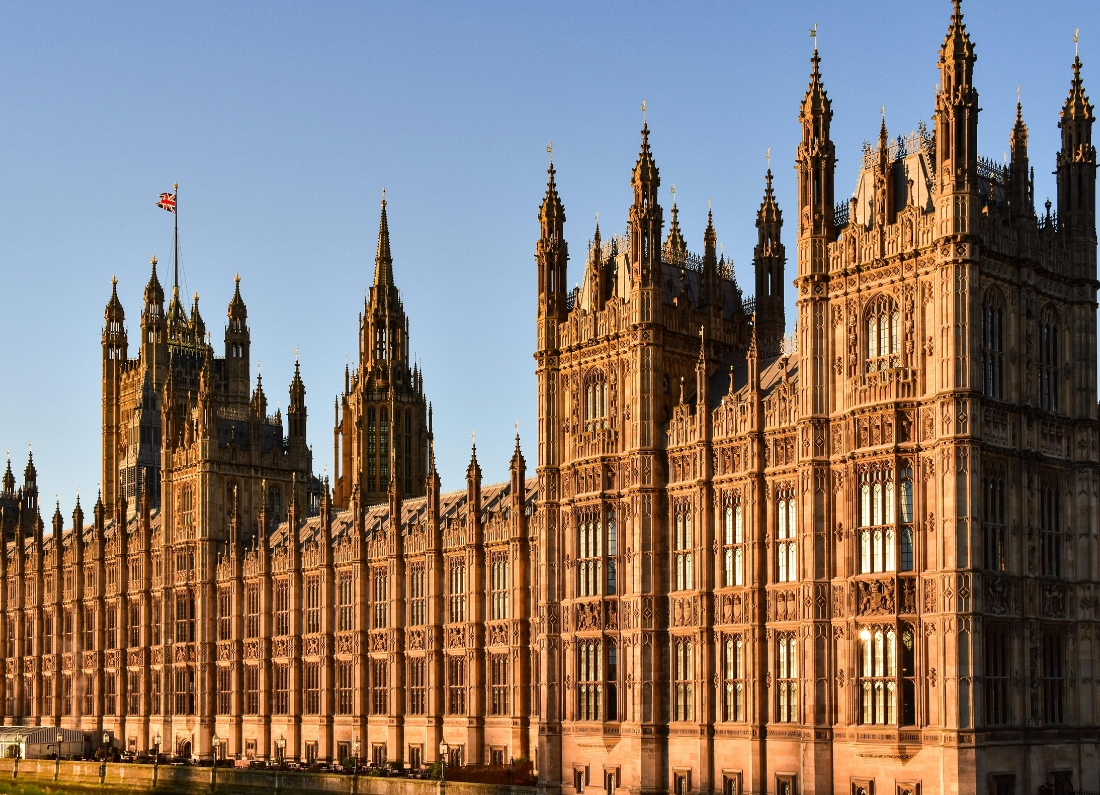
Parliament is “Britain’s last alcohol-soaked workplace,” according to a new report, where MPs can be offered free drinks from midday despite a string of alcohol-related scandals.
Drinking is routine enough that some MPs have had their stomachs pumped after ending up in hospital, one participant told researchers. Alcohol is, in the report’s own word, “embedded” in how Westminster runs, tangled up with loneliness among MPs, socialising to get ministers’ attention, and drinks served at both daytime and evening events.
What the survey actually found
The Institute of Alcohol Studies surveyed 190 people, MPs and their staff, against a backdrop of rising concern and several specific incidents. A parliamentary researcher was allegedly spiked in Strangers’ bar, sparking a police investigation and the bar’s temporary closure. Labour MP Neil Coyle previously drank up to 200 units a week, roughly 10 pints a night.
“The findings suggest that Westminster remains a highly unusual workplace where alcohol is embedded in professional life, networking, lobbying and socialising in ways that would be exceptional in most other UK workplaces,” the report said. “Participants described alcohol as being available throughout the working day, frequently provided for free, and often intertwined with career advancement.”
Twenty-four MPs, 58 Westminster staff and 108 constituency office staff took part. One MP put it simply: “Going to a meeting at noon and alcohol’s available. Of course, I’m not used to that in my old job.”
Free drinks, and where they’re actually coming from
A recurring theme was free alcohol at events organised specifically for lobbying MPs, held on the parliamentary estate itself. “Where else in a work environment would you go, unless it was the works Christmas do, and there was free alcohol there for you?” one MP said. “It just wouldn’t happen in real life.”
Another: “You can start drinking here from 12 o’clock onwards and go around and consume large amounts of alcohol, and it’s relatively freely available.” A third called these events a “legitimised opportunity to drink alcohol.” A fourth said the routine availability has created “a casual attitude to drinking.”
Hannah Spencer, the Green MP elected in the Gorton and Denton byelection in February, called Westminster’s drinking culture “unprofessional and worrying” in April, saying it’s led to “questionable and dangerous behaviour” and that “you can smell the alcohol when people are in between votes.” Her comments got a mixed reaction from colleagues at the time.
The numbers
42% of MPs surveyed had been offered an alcoholic drink at a work meeting or event weekly over the previous six months. 13% said this happened daily. 22% had concerns about a colleague’s drinking.
The report points to parliament’s unusual hours, the loneliness of being away from home for many MPs, job pressure, and career-driven socialising as the drivers. “The availability of alcohol was seen to encourage unhealthy behaviour in general, from affecting colleagues’ sleep and stress levels to potentially normalising high-risk drinking, with one MP referring to colleagues having had their stomachs pumped in hospital and going back into Westminster the following day.”
What MPs themselves are saying
Labour MP Cat Smith drew the obvious comparison: “We wouldn’t accept a surgeon operating after a drink or a driver getting behind the wheel, so why should we accept legislators voting on the laws of the land after one? If we’re serious about being a professional workplace, we have to ask hard questions about practices like late night votes that sit alongside on-tap bars.”
Beccy Cooper, a former public health consultant who became a Labour MP in 2024, called the report a wake-up call and suggested parliament draw up its first formal workplace alcohol policy. “Two findings stood out to me. Almost one in 10 respondents reported a negative experience because of someone else’s drinking at work and 70% either didn’t know, or weren’t sure, how to raise a concern about a colleague’s drinking. That combination, real, measurable harm and no clear route to address it, is exactly the kind of gap we need to address.”
IAS chief executive Katherine Severi suggested limiting free alcohol to evening events only. “Very few professions these days would allow free alcohol from midday, or regularly host outside organisations sponsoring events where drinking is the norm during working hours.”
Not a new problem
The report also points to Parliament’s growing use as a commercial events venue as part of what’s driving this. In 2023, Parliament’s own independent complaints and grievance scheme said alcohol was “a frequent factor” in misconduct investigations, and that drinking in Parliament’s bars was “leading to intimidating behaviour like shouting and swearing” in 30 investigations conducted between 2021 and 2022. Also in 2023, standards commissioner Daniel Greenberg said alcohol had caused “behaviour problems” and suggested the sale of alcohol on the estate should stay under review.
Parliament’s response
A Parliament spokesperson said everyone working there had been reminded to drink responsibly, while suggesting immediate changes aren’t on the cards: “Any changes to parliament’s provision of alcohol would ultimately be a matter for members to decide on. The estate is a unique working environment that includes public access and events. Parliament’s behaviour code makes clear that everyone should be treated with respect at all times, and those who choose to drink alcohol on the estate must do so responsibly.”
Current measures include more no- and low-alcohol options, and venue staff being allowed to refuse service to anyone intoxicated or likely to become so.




Leave a Reply