

FIFA’s found yet another way to make the World Cup feel a lot less like a football tournament and a lot more like an investment product.
Fresh off staging the most commercially successful World Cup in history, football’s governing body now wants to set up a company handling all the business around its major competitions, and sell part of it to private investors.
The proposed company, FIFA Forward Enterprise, would run the commercial and event operations for the men’s and women’s World Cups, the Club World Cup, and FIFA’s other tournaments. FIFA would keep overall control, but outside investors could buy a combined stake of up to 20%. With the new business valued at around $20bn, that sale could raise as much as $4.2bn.
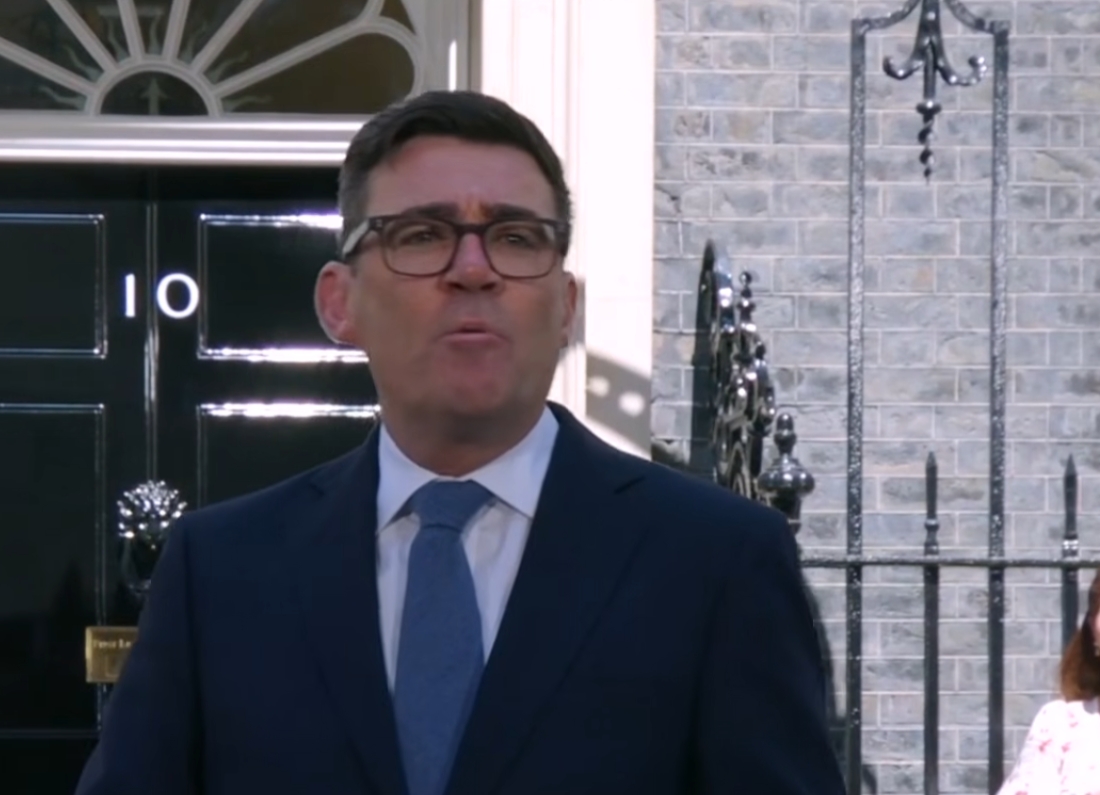
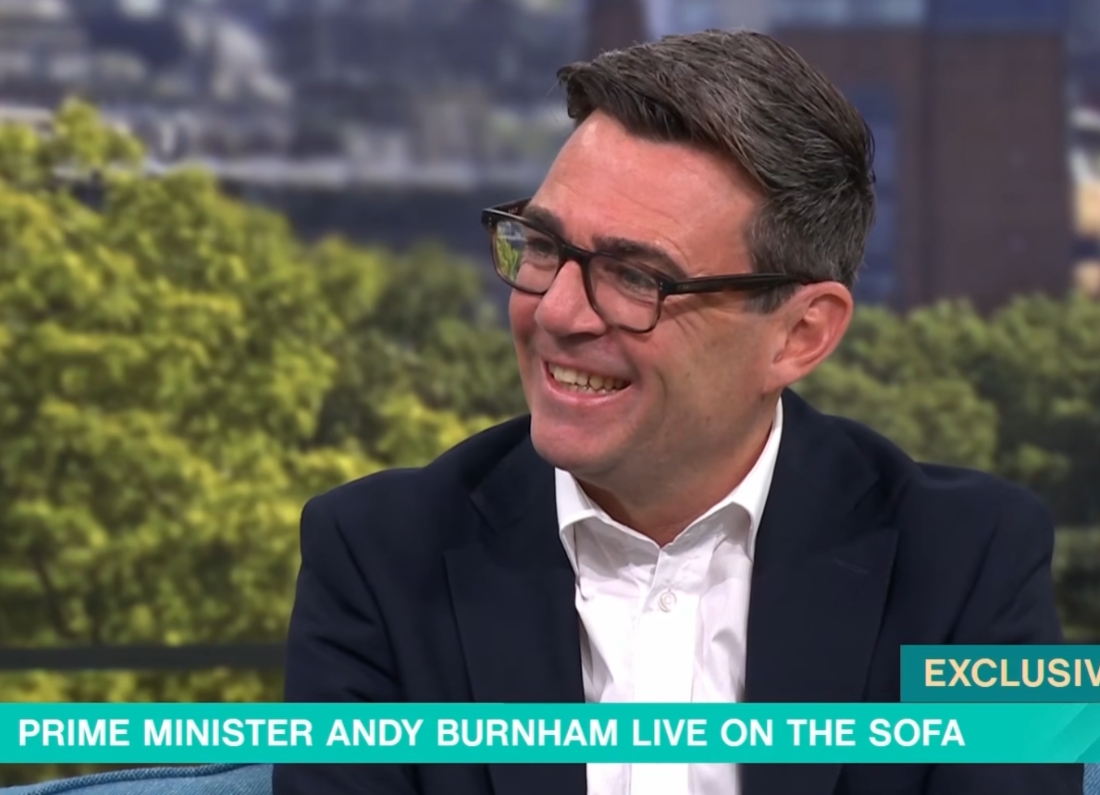
That was more than enough to set off an immediate, furious reaction from UEFA, European clubs and fans alike. Andy Burnham weighed in too, accusing FIFA of trying to sell something it never actually owned in the first place.
“Football does not belong to investors,” Burnham wrote. “It belongs to the people who fill the stands and who stand on the touchline week in, week out, rain or shine. The World Cup is not a product. It is the greatest competition in world sport, and it was never anyone’s to sell. Dress the deal up however you like. Once you have sold a piece of it, you have sold out. Football belongs to the fans. It always has, and it always will.”
What FIFA’s actually proposing
FIFA is working with investment bank JPMorgan on this, and Thrive Eternal, an investment vehicle set up by Joshua Kushner’s Thrive Capital, is expected to lead the group of potential investors. Joshua Kushner is Jared Kushner’s brother, Donald Trump’s son-in-law, though FIFA says Jared himself isn’t personally involved in the deal.
Under the current plan, investors wouldn’t actually buy into FIFA itself, nor would they get any formal say over rules, discipline, or the international match calendar. They’d own a minority stake in FIFA Forward Enterprise specifically, the subsidiary responsible for turning FIFA’s tournaments into revenue. FIFA insists these investors would have zero operational role. “Outside investors will have only a minority stake in FFE and will not play any operational role,” it said. “Equally, they are investing in a subsidiary of FIFA, and not in FIFA itself. For FIFA, nothing changes.”
That last sentence is doing a huge amount of work. People don’t generally hand over billions of dollars purely out of love for the beautiful game. They expect growth, and eventually, a return on that money. Even without a formal vote on football matters, having investors in the room creates real pressure to grow revenue, expand competitions, and stage events wherever the biggest commercial payoff is. Not hard to guess where that road leads: more matches, more sponsors, higher ticket prices, and growing pressure to host tournaments in whichever wealthy countries can deliver the biggest returns.
UEFA says FIFA’s crossed a line
UEFA’s response was unusually blunt, accusing FIFA of trying to trade something that belongs to the entire sport, not just to FIFA. “This crosses a line that football’s governing institutions should never cross,” it said. “The soul and governance of football are not assets to trade, especially with zero transparency as to who gains financially. None of us are the owners of football. It is not FIFA’s to sell.”
UEFA is reportedly weighing its legal options, and several leading European clubs are said to be privately furious. According to Reuters, the proposal still has to go to FIFA’s 211 member associations and its ruling council, which will make the final call, and reports suggest several council members were themselves genuinely surprised by the announcement, having had little to no involvement in developing it.
Infantino might still find real support among FIFA’s smaller associations, though. The organisation says money raised through the deal could give each national association access to a one-off payment of up to $20m for stadiums, coaching, national teams, grassroots programmes and women’s football. Worth clarifying: some initial reports described this as $20m every year, but FIFA’s actual explanation, as reported by Reuters, refers instead to optional one-off capital of up to $20m, rising to $24m during the 2035-38 cycle. Even as a genuine one-off payment, that’s a transformative amount for plenty of smaller associations, and it hands Infantino a genuinely powerful argument once this gets put to a vote.
Infantino calls it the ‘democratisation of football’
Infantino’s framed this as a way to spread the World Cup’s enormous wealth beyond the small handful of clubs and countries currently hoovering up most of it. “Our job is to make sure the rest of football grows with it,” he said. “FIFA exists to support sustainable, inclusive development in every corner of the world.” He’s called it the “democratisation of football worldwide.”
There’s a genuinely legitimate conversation to have about how international football’s wealth should be shared out. Plenty of national associations run on tiny budgets and rely heavily on FIFA’s development funding. But that’s a different question entirely from whether private investment funds should get to own part of the actual commercial machinery behind the World Cup.
FIFA’s already proven it can generate extraordinary money without selling a stake to anyone. Revenue from the 2026 tournament reportedly topped $15bn, beating an earlier $13bn projection. Sponsorship packages sold out globally, the competition expanded to 48 teams, and the schedule grew to 104 matches. This isn’t an organisation struggling to attract money. It’s an organisation looking at how much it already makes and deciding it could make even more.
The Infantino question nobody’s quite asking out loud
There’s also an obvious question hanging over what happens once Infantino himself eventually leaves FIFA. He’s expected to win another term as president next year and has to step down by 2031 under the organisation’s own rules. The Times has reported he could then take a senior role at FIFA Forward Enterprise, potentially earning a salary comparable to commissioners of major American sports leagues.
None of that’s confirmed, but the possibility alone is only adding to demands for far more transparency, over who actually designed this company, how investors would be picked, and who could ultimately profit from it.
This isn’t Infantino’s first attempt either. He tried bringing private capital into FIFA back in 2018, when a proposed $25bn deal backed by SoftBank would have funded an expanded Club World Cup and a new global Nations League. That collapsed under fierce European opposition. Eight years on, he’s trying again, from a considerably stronger financial position, and with the promise of millions dangling in front of every association that votes his way.
FIFA can call this a minority investment in a separate commercial company all it likes. It can promise sporting decisions stay untouched and every penny of benefit flows back into football. For fans already priced out by tickets, travel and broadcasting subscriptions, though, Burnham’s framing might prove a lot harder to shake than FIFA’s own.
Once part of the World Cup has actual shareholders, football’s biggest competition will be expected to deliver for them.
And that’s exactly what people are afraid FIFA is actually selling.




Leave a Reply