Four Reform UK councillors have been suspended or removed from the party within days of being elected in last Thursday’s historic local elections, including one Plymouth councillor who shared a social media post depicting a bomb being dropped on Mecca, one Essex councillor removed over alleged racist posts, and two Worcestershire councillors caught up in an internal leadership dispute that has already spilled into a public war of words against Nigel Farage himself.
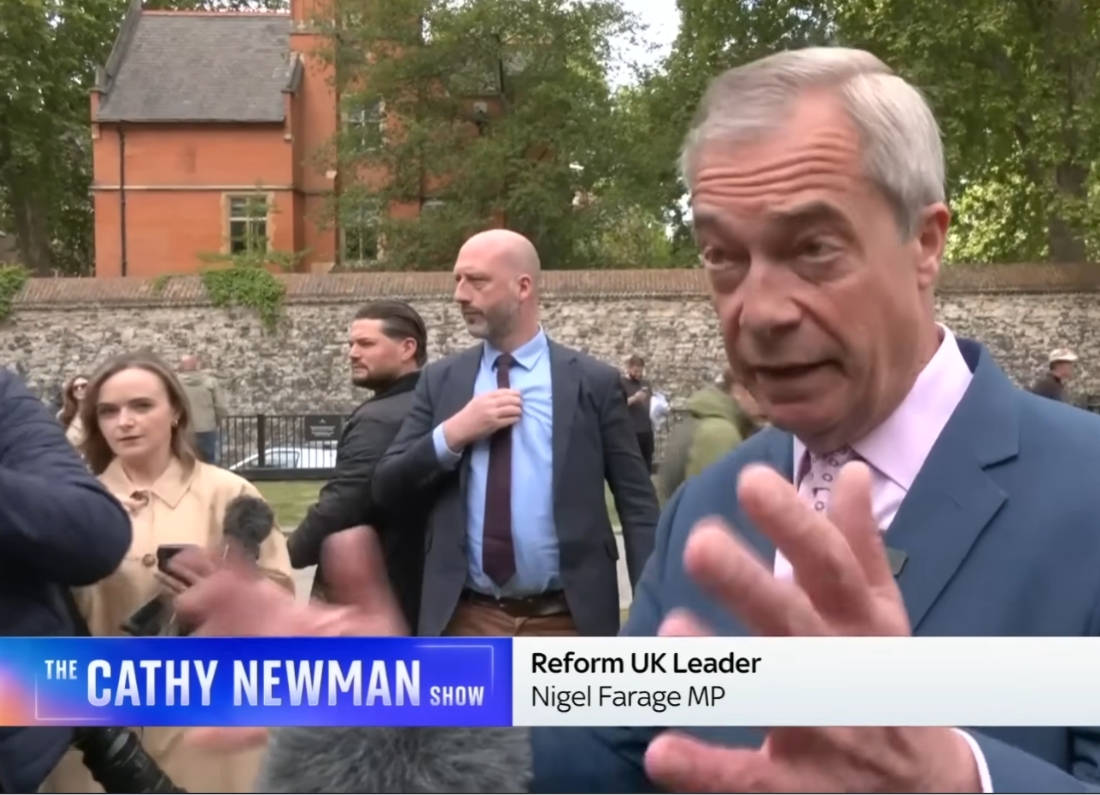
The suspensions came on the same day that Starmer was delivering his make-or-break Monday speech and within hours of Farage celebrating his party’s most historic election night. They represent an immediate and practical test of the claim, made repeatedly by Reform during the campaign, that the party operates “some of the strongest vetting procedures in the country.”
The Plymouth case – the bomb on Mecca post
Ben Rowe won the Plymouth Ham ward last Thursday with 1,649 votes, giving Reform its seat and making the party the second-largest group on Plymouth City Council. He was suspended from Reform UK on Monday pending investigation.
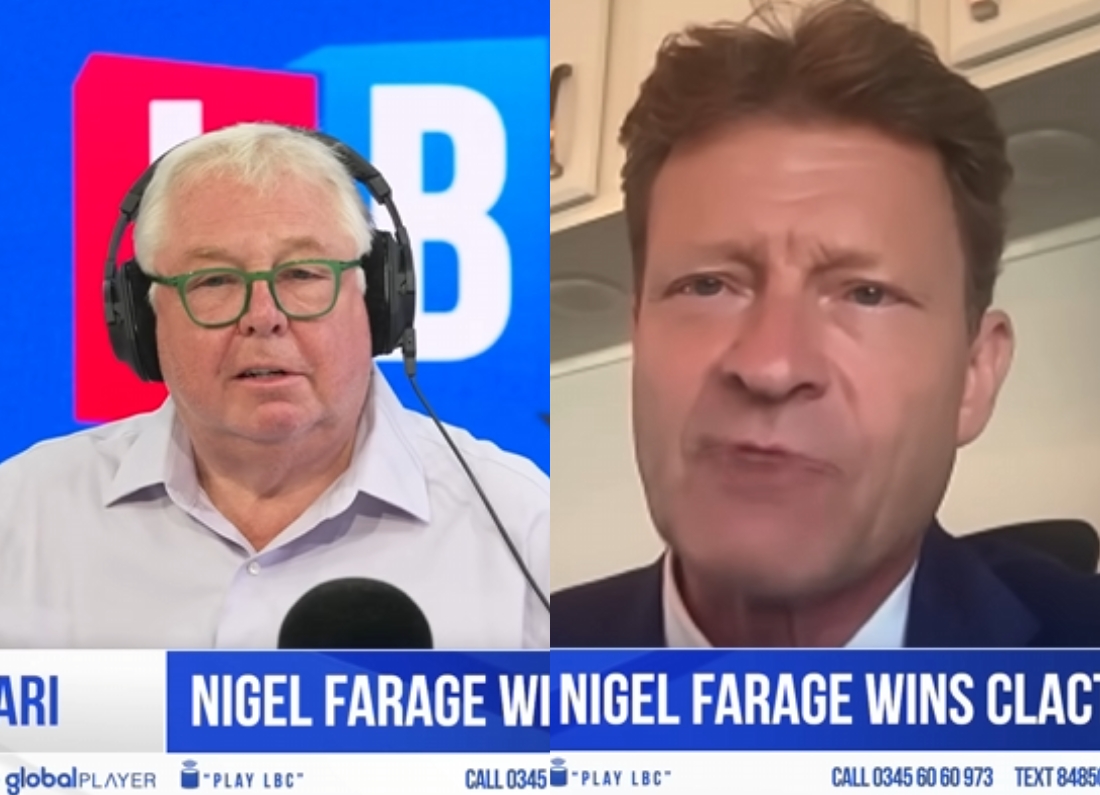
LBC revealed that Rowe had shared a social media post depicting a bomb being dropped on Mecca. He had also shared a post depicting Patrick from SpongeBob SpongeBob as a Muslim with a child bride. Both posts have since been removed from his social media accounts.
Reform told LBC they were “thoroughly looking into his social media posts” and claim to maintain “some of the strongest vetting procedures in the country.” Rowe told LBC he “will not comment on the matter” before reportedly posting on Facebook that the posts had been shared years ago and taken out of context – a post that also appears to have subsequently been removed.
The case raises a specific and pointed question about Reform’s vetting operation. Posts of this nature – depicting a bomb being dropped on one of the holiest sites in Islam – are not obscure or difficult to find. They are exactly the kind of content that a professional vetting operation for a party standing thousands of candidates would be expected to identify and disqualify on.
The Essex case – racist posts and resignation
Stuart Prior was elected to both Essex County Council’s Rayleigh West division and Rochford District Council’s Sweyne Park and Grange ward last Thursday, winning approximately 40% of the vote in both contests. Reform won control of Essex County Council from the Conservatives on Friday, taking 53 of the 78 seats up for election.
Prior resigned from his elected positions on Monday – a Reform source said for “personal reasons” – while the party simultaneously announced his Reform UK membership had been revoked over alleged racist posts. Prior had previously denied making racist posts.
The situation in Essex is particularly significant because Reform now controls Essex County Council. The county is the first major Conservative heartland council to fall to Reform, and its governance will be one of the most closely watched tests of what Reform does in power at county level. The revocation of a newly elected councillor’s membership before the new council has even sat is an inauspicious start to that governance record.
The Worcestershire case – internal warfare
The most politically revealing of the four cases involves Ashley Monk and Jo Monk in Worcestershire, whose suspension exposed an internal party dispute that has already turned into public recriminations directed at Farage personally.
Jo Monk had previously led Worcestershire County Council. She was suspended for “refusing to accept the democratic decision of the Reform UK Group on Worcestershire County Council” – the specific dispute being over the appointment of Alan Amos as group leader, a decision she apparently rejected.
Ashley Monk was suspended separately for “bringing the party into disrepute.” He hit back publicly and at length, his statement suggesting a party already experiencing serious internal tensions within days of its most successful election night.
“I’m done staying quiet,” Monk wrote. He alleged that other councillors had sent “threatening messages” in a WhatsApp group he had since been excluded from. “Following the appointment of Alan Amos as group leader, I’ve received screenshots from a WhatsApp group I’ve now been excluded from which are threatening messages towards myself, simply because I refused to support views that are completely incompatible with Reform and the people we represent.”
Most pointedly, he directed criticism at Farage himself – saying his suspension was also “for refusing to back someone whose track record shows jumping from party to party for personal gain.” This is a remarkable statement from a suspended Reform councillor: publicly accusing Reform’s leader of backing a candidate for group leader whose record of party-switching disqualifies them in his view.
What this tells us about Reform’s vetting operation
Reform’s claim to operate “some of the strongest vetting procedures in the country” is now under specific evidential pressure. The party stood thousands of candidates across England, Wales and Scotland last week and won more than 1,400 council seats. The scale of that operation makes perfect vetting genuinely difficult. But the specific cases that have emerged within 72 hours of the election are not edge cases – they are exactly the kind of content and conduct that robust vetting is supposed to catch.
As we reported in our analysis of Reform’s first year in local government, the party’s record in power has already produced council tax rises it promised to cut, care home closures its own grassroots reversed and a DOGE efficiency unit that found nothing to cut. The first 72 hours of its new, much larger council presence have produced four councillors suspended or removed and an internal leadership dispute in Worcestershire that has already gone public.
As Piers Morgan said on Question Time, as we reported in our full piece on his intervention: “The difficult part for them starts now.”
The pattern – this is not the first time
The suspensions follow a pattern that has recurred throughout Reform’s growth as a party. During the 2024 general election campaign, Farage was forced to suspend multiple candidates over racist, homophobic and antisemitic social media posts discovered after their candidacies were announced. The party’s response on each occasion has followed the same template: suspend pending investigation, reiterate commitment to strong vetting, move on.
The difference now is that suspended general election candidates did not hold public office. Suspended council members do – or did. Ben Rowe won 1,649 votes in Plymouth. Stuart Prior won approximately 40% of the vote in two Essex contests. Ashley and Jo Monk were part of a group that won control of Worcestershire County Council. These are not candidates who were caught before taking office. They are elected representatives whose conduct is now public and whose seats have already been filled by a democratic vote.
What happens to the seats
Where councillors are suspended pending investigation they retain their seats unless they resign or are removed by a formal process. Ben Rowe technically remains a Plymouth City councillor despite his suspension. Stuart Prior has resigned from his elected positions, but the seats he vacated will not be filled until byelections are triggered.
In Worcestershire, where the Monks’ suspensions relate to an internal group dispute rather than external conduct issues, the question of who now leads the Reform group on the county council – and what decisions they make in the coming weeks – will be an early and closely watched test of the party’s ability to govern in a place where it has real power.