

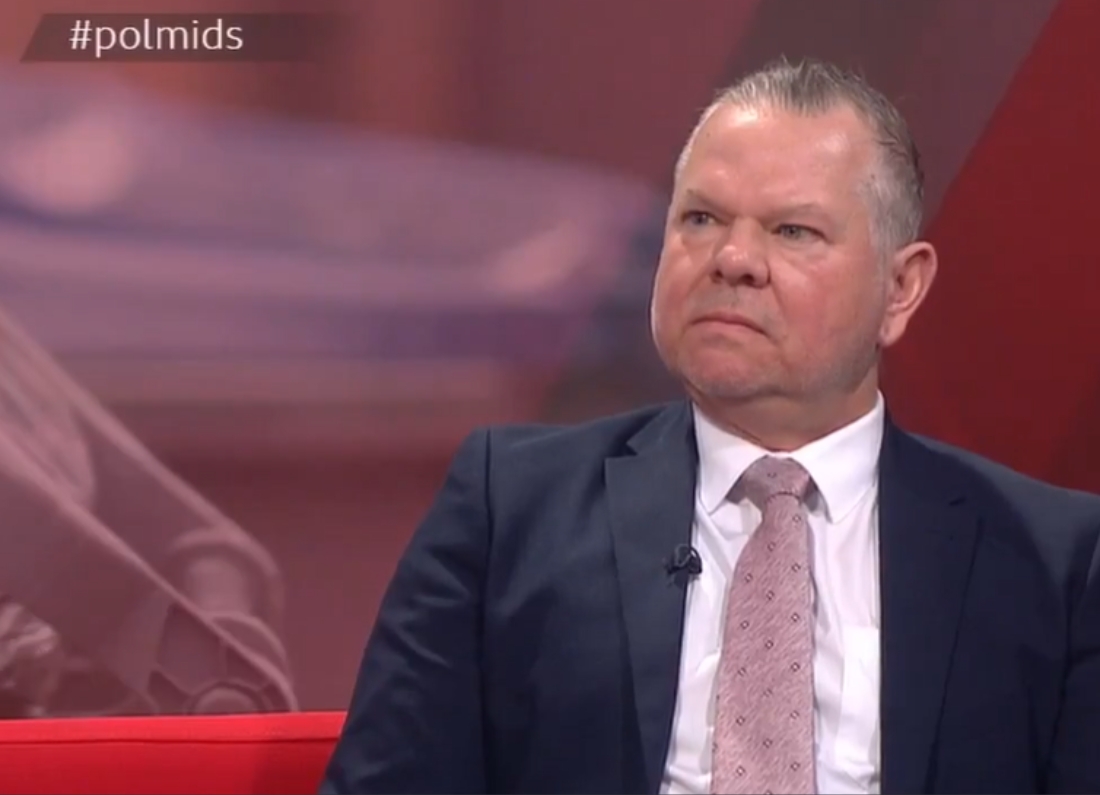
A Reform UK councillor has quit the party live on television, criticising a planned council tax rise and saying he could no longer stand by decisions taken by the local administration in Worcestershire.
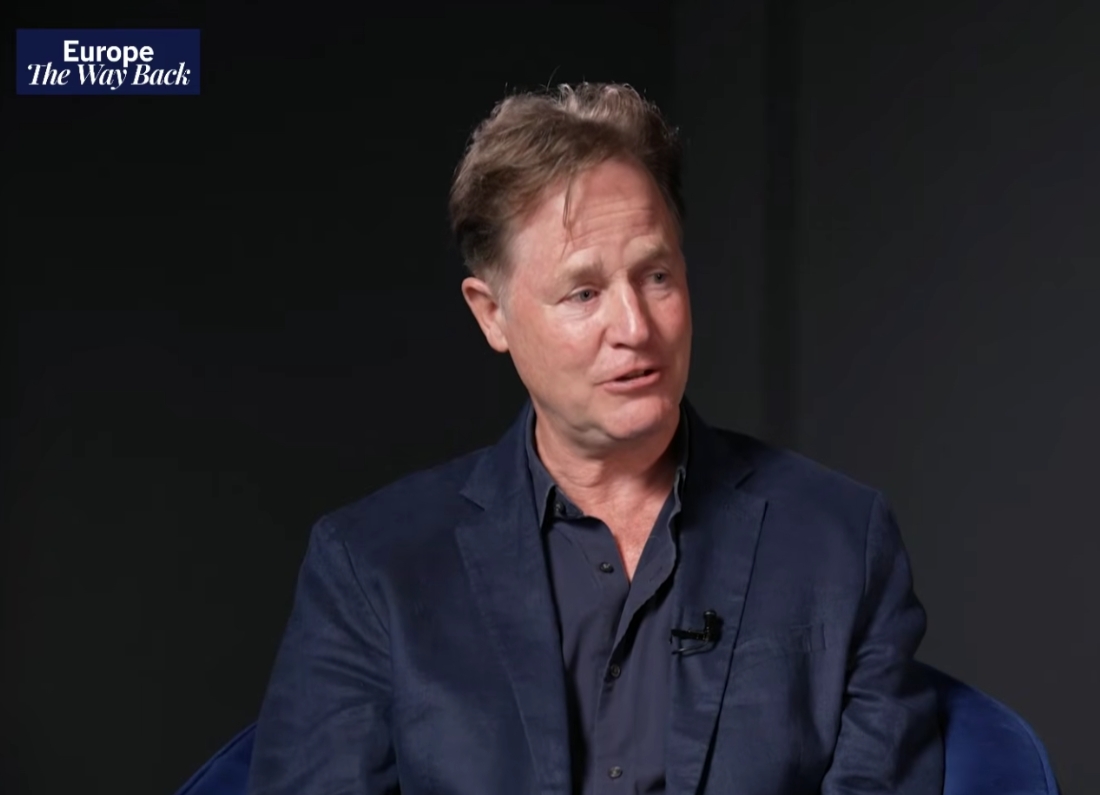
David Taylor, who was described in reports as a former deputy leader of Worcestershire County Council, made the announcement while appearing on BBC Politics Midlands on Sunday. In a moment that quickly spread across social media, Taylor told viewers: “I walked in here today as a Reform county councillor, I won’t be leaving this studio as a Reform county councillor.”
Taylor said he would continue as an independent councillor, adding that there were “several other policy decisions that have been made that I don’t stand by, and I can’t stand by.”
The resignation is a notable setback for Reform UK at a time when the party has been trying to present itself as a disruptive force in local government as well as Westminster. It also highlights the political difficulty parties face when campaign pledges collide with the financial pressures shaping council budgets across England.
What David Taylor said – and why he says he quit
Taylor’s central criticism focused on council tax and the timing of budget decisions. He told the programme that councils have been “massively underfunded by central government” for years, but argued Worcestershire’s leadership had left difficult choices too late and was now asking residents to pay more at a time when many households were already struggling.
“Council tax is one of those issues,” Taylor said. “I think leaving it this late in the day to make cuts and to expect people who are already not doing so well … to pay more council tax, I just don’t think I can support that.”
Pressed on whether he was quitting Reform UK, he replied: “As from today, I will be an independent county councillor.”
While Reform UK has often attacked tax rises as evidence of political failure, the reality for many councils is that adult social care, children’s services, special educational needs transport and inflation-linked contract costs have pushed local authorities into repeated rounds of savings, restructures and, in some cases, applications for central government support.
Reform’s response: claims about performance and inherited finances
A spokesperson for Reform UK in Worcestershire responded by questioning Taylor’s performance and arguing the council faced an exceptional situation. In a statement carried by multiple outlets, the party said: “Unfortunately, Councillor Taylor has never been prepared to undertake the role of a councillor to the extent we feel is required, and when we’ve challenged him on this he’s chosen to resign.”
The spokesperson also said Reform had “inherited Worcestershire County Council in exceptional financial measures after more than two decades of Conservative mismanagement”, adding that council tax would have to rise “to keep the council solvent”, while insisting the administration was trying to keep any increase “as low as possible”.
That exchange – Taylor saying he cannot support asking residents to pay more, and Reform saying the numbers leave little alternative – goes to the heart of the wider political problem. Campaign messages about cutting “waste” can be popular, but local authority budgets are heavily constrained by statutory duties and the size of demand-led services.
The wider context: why council tax rises are politically hard to avoid
Council tax in England is subject to referendum principles (with limited exceptions), and many councils set increases close to the maximum permitted because it is one of the few meaningful levers available to them in-year. Some authorities also apply for “Exceptional Financial Support” from central government – a mechanism that can include permission to use capital receipts or seek extra flexibilities to keep budgets balanced.
Worcestershire County Council itself has said it has applied for flexibility to increase council tax beyond the standard threshold as part of an Exceptional Financial Support request, stating that any decision would balance affordability with maintaining essential services.
Nationally, the pressure is not confined to one party or one council. Recent reporting has highlighted that many councils expect to raise council tax and/or cut services in response to funding pressures and changes to local government settlements, with some authorities seeking additional support.
Reform has faced similar dilemmas elsewhere. In Warwickshire, for example, the leader of a Reform-led administration defended a planned council tax rise as necessary to keep services stable, illustrating how quickly anti-tax rhetoric can meet the reality of budget setting.
What happens next in Worcestershire
Taylor’s departure means he will sit as an independent councillor. In practical terms, that can matter in councils where control is tight or where administrations rely on shifting majorities to pass budgets and key decisions. Even where it does not immediately change who runs the authority, high-profile resignations can feed a narrative of instability or internal disagreement – particularly when they happen publicly and in a way that is easily shareable.
Worcestershire has also been the subject of wider scrutiny around local governance and future structures. The government has recently published consultation material relating to local government reorganisation in Worcestershire, noting the authority’s recent receipt of in-principle Exceptional Financial Support for a previous budget year, while making clear that future support is not guaranteed.
For Reform, the political risk is obvious: if the party markets itself as the alternative that will “do things differently”, it will be judged on whether it can deliver credible local budgets without breaking high-profile promises. For Taylor, the challenge will be to explain to voters why he believes resigning the whip is the right response – and what he can achieve outside the party structure.
Why the moment resonated beyond Worcestershire
The “live on air” element is part of why this story has travelled quickly. Public political resignations are common; resignations delivered mid-interview, in plain language, are much rarer.
It also lands at a sensitive time for local government, with councils across the country making decisions that affect household bills and frontline services. Even when increases are within the rules, they can feel like a breaking point for residents facing pressure from food, housing and energy costs.
The result is a story that is both local and national: a single councillor’s decision, in one council, that connects to a broader debate about whether political promises can survive contact with the hard arithmetic of public finances.
You may also like: UK by-elections explained: what happens when MPs defect




Leave a Reply