

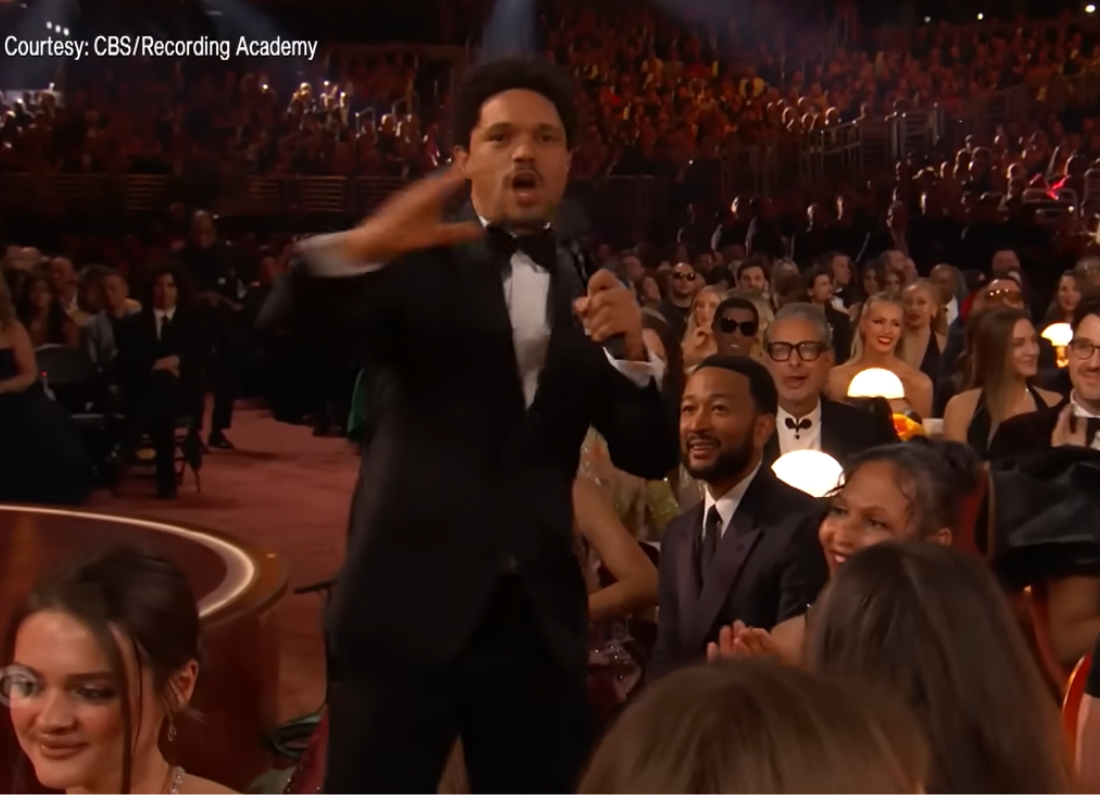
Donald Trump has threatened legal action against comedian Trevor Noah after the Grammys host joked about the president and Jeffrey Epstein during the live broadcast, reigniting a familiar political flashpoint: how far late-night-style humour can go when it brushes up against allegations involving a notorious sex offender.
The exchange unfolded during the 68th Grammy Awards ceremony in Los Angeles on Sunday night, as Noah hosted the show for what he described as his “sixth and last” time in the role.
What Trevor Noah said at the Grammys
Noah’s remark came shortly after Billie Eilish won song of the year. During a brief run of stage banter, he joked that Eilish’s award was “the Grammy that every artist wants”, before pivoting into a line about Trump’s interest in Greenland and, then, Epstein. Noah’s punchline as: “Because Epstein’s island is gone, he needs a new one to hang out with Bill Clinton.”
The Grammys broadcast included broader political moments, with several artists using speeches or red-carpet appearances to criticise US immigration enforcement, adding to an already charged atmosphere around the ceremony.
Trump’s response and the threat to sue
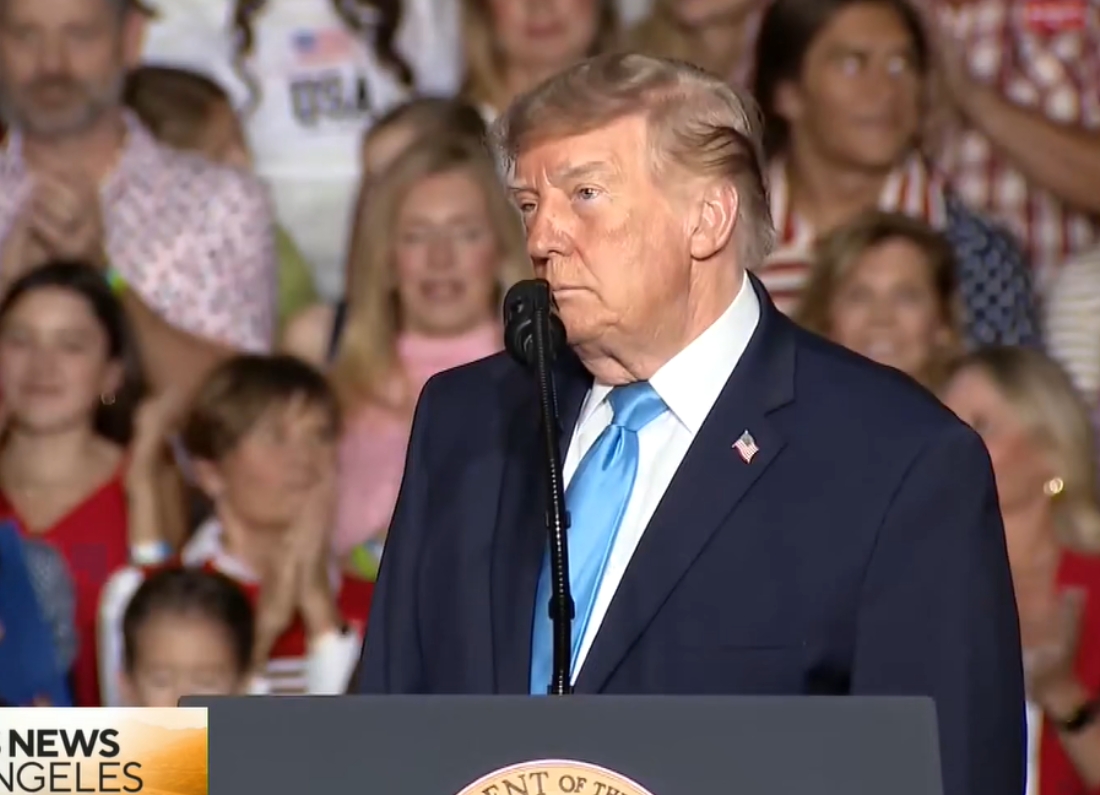
Within hours, Trump responded on Truth Social, describing the Grammys as “virtually unwatchable” and calling Noah’s comment “false and defamatory”. Trump denied ever visiting Epstein’s private island and said he would instruct his lawyers to pursue a lawsuit against Noah over the joke.
Reporting on the post noted Trump also framed the incident as an escalation, saying he had not previously been accused of being on Epstein’s island.
At the time of writing, there is no public confirmation that legal proceedings have been filed, and Trump’s comments amount to a threat rather than a court action.
Why this touches a nerve: Epstein, politics, and public distrust
Epstein, who died in custody in 2019, remains a uniquely incendiary figure in American politics, partly because of his documented social connections with powerful people and the enduring suspicion that institutions failed to hold a wider circle accountable.
That sense of unresolved scandal has been amplified in recent days by the US Department of Justice’s release of a large tranche of Epstein-related material under the Epstein Files Transparency Act. The DOJ said it published “over 3 million additional pages” and that the release included “more than 2,000 videos and 180,000 images”, bringing the total disclosed to nearly 3.5 million pages.
However, senior DOJ figures have also played down expectations that the release would automatically produce new criminal cases. Deputy attorney general Todd Blanche said the material does not currently establish grounds for new charges, while acknowledging the records contain disturbing content.
Crucially for the Trump–Noah row, the Epstein files discussion online has mixed verified information with sensational claims and speculation, creating the conditions for jokes, counter-jokes and political outrage to travel far faster than careful scrutiny.
Can Trump actually win a defamation case over a joke?
In the US, defamation claims brought by public officials and public figures face a high legal bar. Under longstanding Supreme Court precedent, a public figure generally must prove “actual malice” — meaning the defendant knew a statement was false, or acted with reckless disregard for whether it was false.
That standard is one reason lawsuits over political speech and satire are often difficult to win. A further practical obstacle is the nature of the comment itself: Noah’s line was delivered as a comedy monologue on a live awards show, not as a news report. In similar cases, US courts have often treated satire and obvious rhetorical exaggeration differently from assertions of fact.
Even so, the threat may serve political purposes regardless of the legal outcome. A lawsuit threat can keep a controversy in the headlines, send a warning to other entertainers, and provide a rallying point for supporters who view the media and entertainment industry as hostile territory.
What happens next
Noah has not, so far, publicly indicated whether he will respond directly, retract the line or treat it as part of the normal cut-and-thrust of public comedy. The Grammys’ broadcaster and producers also have not announced any formal response.
For UK readers, the dispute is another example of how American political culture wars can ricochet through mainstream entertainment and then back into formal politics. It is also a reminder that Epstein remains an accelerating force in online misinformation — a topic that will keep resurfacing as more material is released, analysed and, in some cases, misrepresented.
The immediate question is whether Trump turns a social media threat into a filed lawsuit. The longer-term question is whether this kind of confrontation becomes a repeat pattern through the election cycle: a high-profile joke, an instant presidential backlash, and a new day of headlines — all before the factual record has time to settle.
You may also like: Mandelson resigns Labour membership after renewed Epstein scrutiny




Leave a Reply