

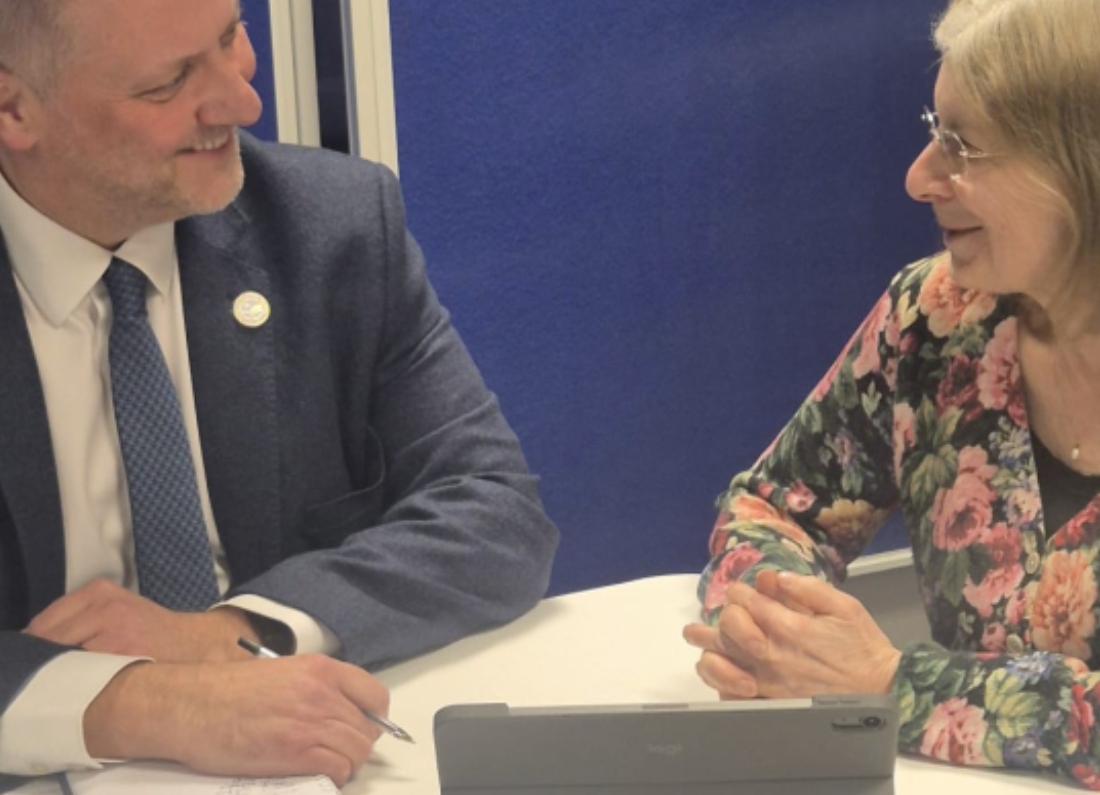
A Reform UK councillor in Buckinghamshire has defected to the Conservative Party, prompting anger from her former party and fresh calls for a by-election – even though switching allegiance does not automatically trigger a new vote.
Kathy Gibbon, who represents Bierton, Kingsbrook and Wing on Buckinghamshire Council, has joined the Conservative group after being elected in May under the Reform banner. Buckinghamshire Conservatives said they were “delighted to welcome” her into their ranks and quoted her saying the move followed “very careful consideration”.
The defection has immediate political consequences in a council where the Conservative Party fell just short of a majority at the last full election. Official results from the 1 May 2025 Buckinghamshire Council elections show the Conservatives won 48 seats out of 97, with 49 needed for overall control.
Local reporting has described the switch as handing the Conservatives “overall control” of the authority.
A one-seat drama at a big unitary council
Buckinghamshire Council is a large unitary authority, meaning it runs services that in other areas are split between county and district councils. Control of the chamber can shape everything from budgets and council tax decisions to committee chairs and the tone of day-to-day administration.
At the 2025 election the Conservatives remained the largest group, but were one seat short of a majority. That made the council’s balance of power unusually sensitive to any mid-term movement.
In circumstances like this, a single councillor switching groups can change who sets the agenda and who has the numbers to pass key votes – which is why the row has moved quickly beyond local party point-scoring.
What Reform says: “Dissatisfaction and injustice”
Reform UK’s Buckinghamshire leader, Cameron Anderson, said his party was “disappointed” and argued residents would feel let down because Gibbon was “such a newly elected councillor”. He told Bucks Radio he believed people in the ward would feel “a great sense of dissatisfaction and injustice”.
Anderson also used a colourful analogy, comparing the decision to “buying a golden ticket to the Titanic”, and claimed Conservative control would “increase the damage” to towns and villages.
Reform’s criticism has also fed into a wider public argument about “mandates”: whether an elected representative should seek re-election if they change the party label voters saw on the ballot paper.
What the Conservatives say: “Work more effectively”
Buckinghamshire Conservatives framed the move as a practical decision rather than a political stunt. In their statement welcoming Gibbon, the party quoted her saying she wanted to represent residents “in the best possible way” and that joining the Conservative group would allow her to “work more effectively” as part of an “experienced team”.
Bucks Radio reported similar wording, quoting Gibbon saying she took the decision after “very careful consideration”, and referring to discussions with council leader Steven Broadbent, budget proposals and a “positive corporate peer review”.
The Conservatives also published a supporting quote from Steve Broadbent, who said he looked forward to working with her as the group continued “delivering on our promises”.
Calls for a by-election – and what the rules actually say
Labour figures locally have also called for a by-election, arguing voters should get a direct say if their councillor changes party.
However, the basic legal position is that changing party does not in itself create a vacancy. Local by-elections are typically triggered when a seat becomes vacant — for example through resignation, death or disqualification — not because a councillor switches political affiliation.
That distinction matters because it means a petition or political pressure, on its own, cannot force a by-election. The practical routes to a fresh contest are limited: either the councillor resigns (creating a vacancy), or the seat becomes vacant for another statutory reason, after which the council would arrange a by-election.
This can feel counter-intuitive to voters who see party labels as central to the choice they made. But it reflects a long-standing principle in UK politics: elected representatives are chosen as individuals, and party membership is not legally binding in the same way as, for example, a contract of employment.
Why the council numbers look confusing online
One complication in the immediate aftermath is that Buckinghamshire Council’s own “Your Councillors by Party” page still lists the Conservatives on 48 members and Reform on 3. That matches the original 2025 election totals.
At the same time, local reporting and party statements say the defection has happened and has shifted overall control. The most likely explanation is timing: party-group listings on council sites can lag behind political announcements, especially if the formal paperwork for group membership, committee substitutions and administration updates is still being processed.
For readers, the safest way to understand it is this: the Conservatives were one seat short of a majority after the 2025 election, and both local reporting and Conservative statements indicate this change is being treated as a move that tips control.
The bigger picture: defections as a feature, not a bug
The row also lands in a period where defections – particularly between the Conservatives and Reform – have become a major national story. In recent days, national coverage has focused on Conservative unease after high-profile MPs defected to Reform, and on efforts by party leaders to prevent further switches.
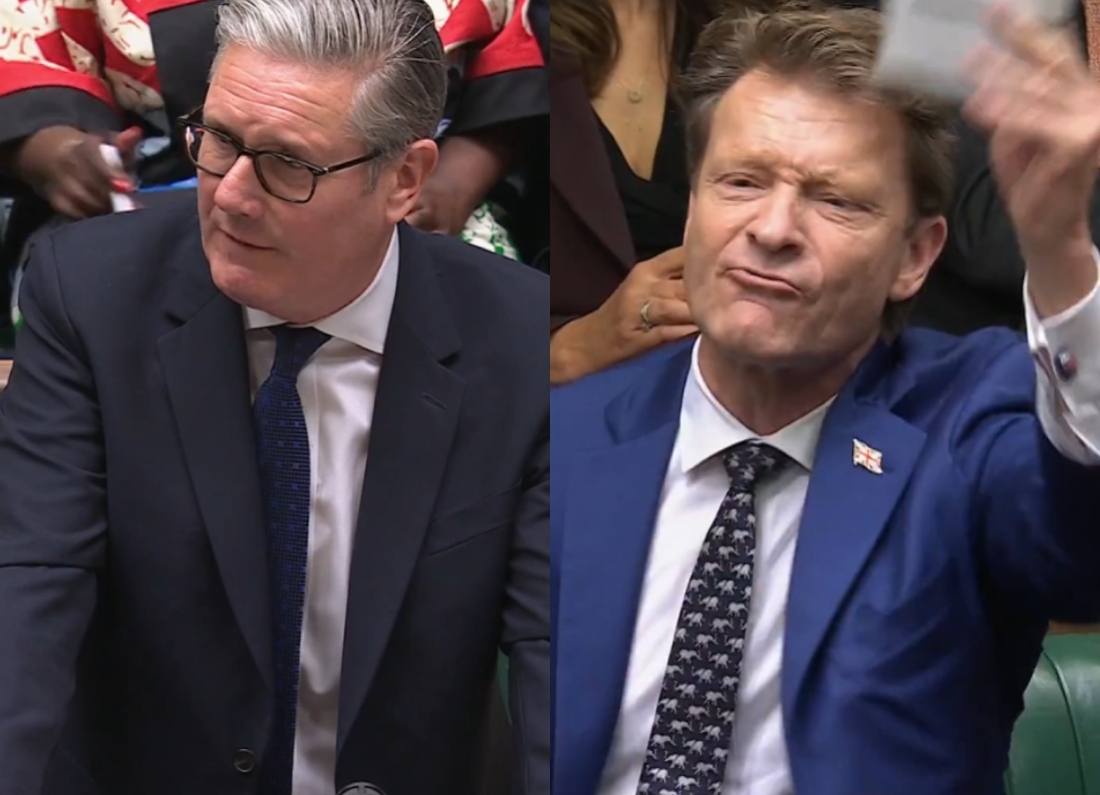
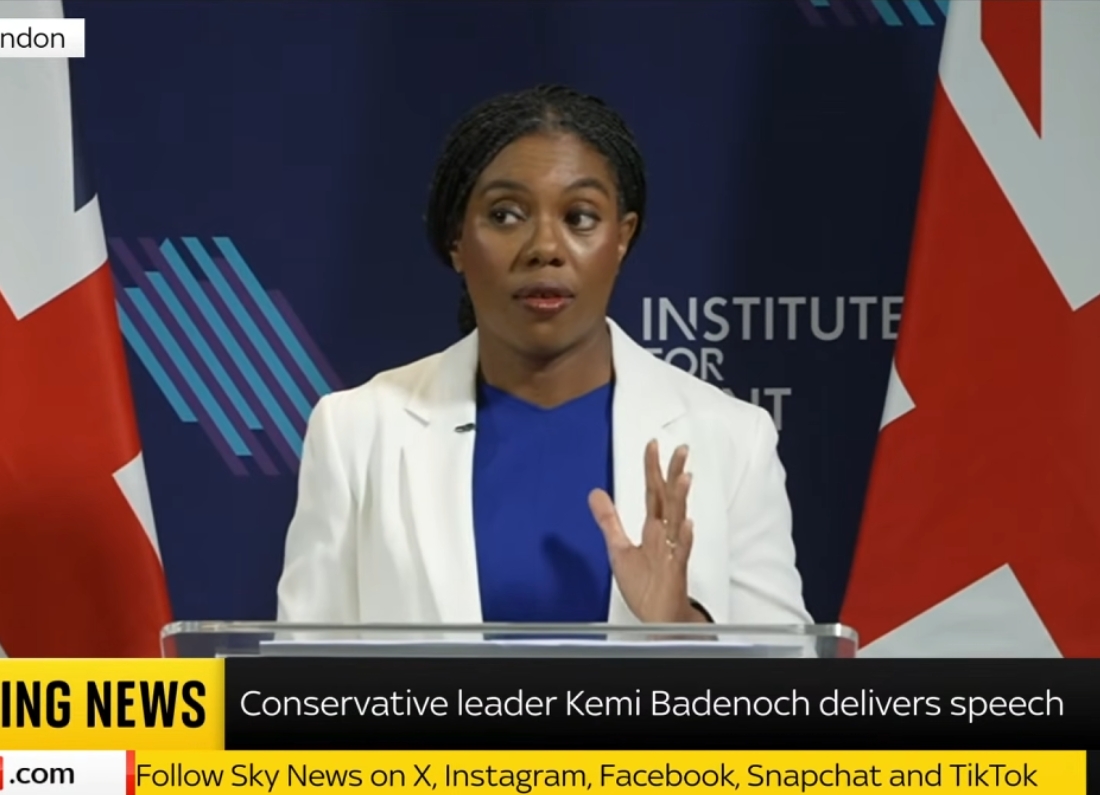
Kemi Badenoch challenged Robert Jenrick to hold a by-election in his Newark constituency following his defection from the Conservatives to Reform UK.
That wider context helps explain why local parties react so sharply: in close-run chambers, defections are not just symbolic. They can decide who holds power, which policies get prioritised, and whether a council is run as a minority administration or with overall control.
What happens next
In the short term, attention is likely to focus on whether Gibbon continues to engage publicly with constituents and whether she faces sustained pressure to resign. Bucks Radio reported she had not responded to requests for comment after announcing the defection, though statements attributed to her have been published by the Conservative group and quoted locally.
Politically, Buckinghamshire Conservatives will want to show that any change in control translates into stability and deliverable decisions, rather than a procedural fight. For Reform, the priority will be damage limitation – arguing that the switch undermines trust, while also trying to keep local momentum intact ahead of future elections.
For voters in Bierton, Kingsbrook and Wing, the immediate reality is straightforward: unless the councillor resigns or the seat becomes vacant through another route, the next formal opportunity to pass judgment at the ballot box is the next scheduled round of local elections.
You may also like: UK by-elections explained: what happens when MPs defect



Leave a Reply