

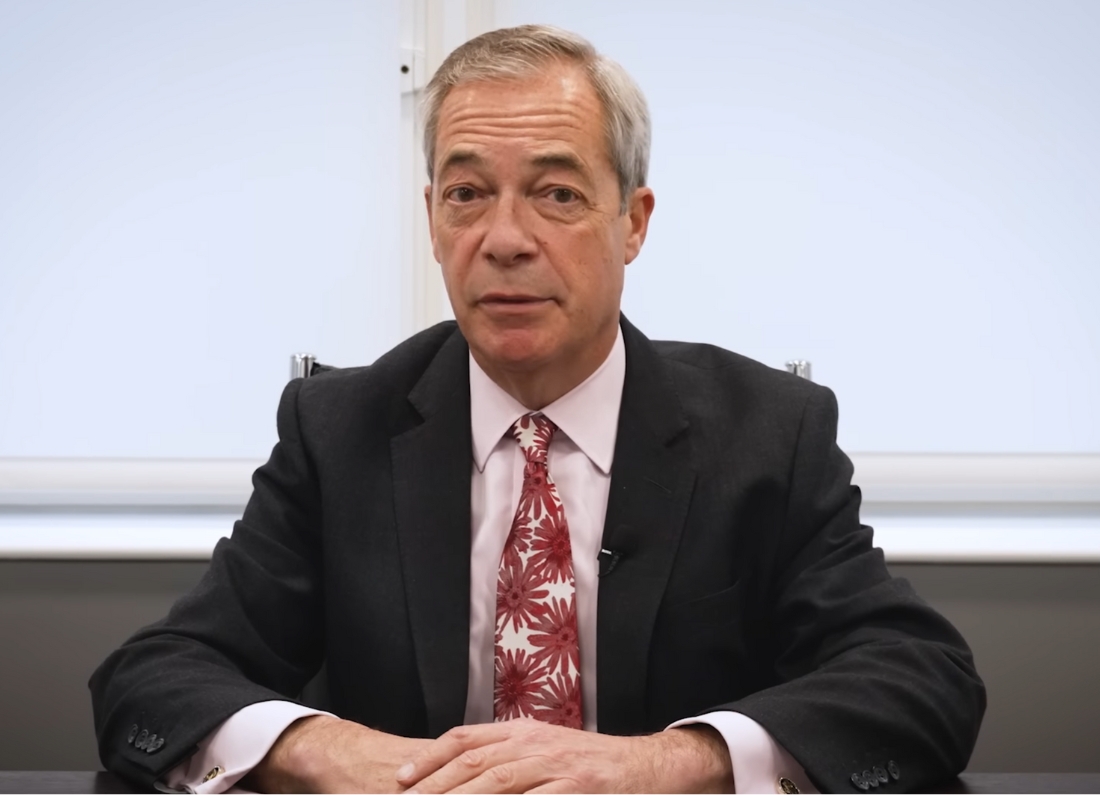
Nigel Farage is expected to attend the World Economic Forum in Davos for the first time, despite spending years attacking the gathering as a symbol of unaccountable global elites and “globalism”.
The Reform UK leader has built much of his political brand around opposition to what he portrays as an international ruling class, frequently citing Davos as evidence of a detached elite imposing decisions on ordinary voters without democratic consent. His anticipated appearance at the Swiss summit therefore marks a notable shift in posture.
Farage is understood to be travelling to Davos as he seeks to raise his international profile and present himself as a credible political figure on the global stage. Reform UK sources say he hopes to use the visit to engage with senior political figures and influence discussions around trade and security.
🌍 A push for international relevance
According to Reform UK deputy leader Richard Tice, Farage is hoping to meet Donald Trump during the summit amid rising tensions over US threats to impose tariffs on Britain and other European nations.
Speaking to the BBC, Tice said Farage wanted to express concerns directly to Trump over the impact of potential trade measures linked to the US president’s push to acquire Greenland.
He suggested that any conversation would focus on persuading Trump that tariff threats against allies were the wrong approach, framing it as an attempt to influence policy rather than endorse it.
🏛️ A long history of attacking Davos
For more than a decade, Farage has portrayed the World Economic Forum as the embodiment of elite politics. He has accused its attendees of prioritising international cooperation over national sovereignty and of advancing policies outside democratic scrutiny.
Those arguments have featured heavily in his speeches, media appearances and online commentary, particularly when criticising the European Union, multinational corporations and global financial institutions.
The Guardian has previously reported that Farage’s rhetoric around Davos framed it as an example of elite capture of politics by a class intent on weakening nation states in the name of “globalism”.
⚠️ Previous criticism of Farage’s language
Farage’s framing of global power structures has not been without controversy. Groups including the Board of Deputies of British Jews have previously criticised aspects of his rhetoric, warning that some language risked echoing conspiracy narratives historically associated with antisemitism.
Farage has rejected those criticisms, insisting he is challenging political and economic power rather than targeting communities. Nonetheless, the scrutiny has followed him throughout his career.
His decision to attend Davos now is likely to revive debate over whether his political positioning reflects conviction or convenience.
🔄 Accusations of hypocrisy
Political opponents have accused Farage of hypocrisy, arguing that attending one of the world’s most exclusive political gatherings undermines his claim to be an anti-establishment outsider.
They point out that Davos is dominated by heads of government, multinational corporations, financial institutions and lobbyists – precisely the figures Farage has accused of being out of touch with ordinary voters.
Supporters counter that engagement does not equal endorsement, arguing that Farage is attempting to challenge global elites directly rather than remain on the sidelines.
Whether the Davos appearance damages Farage’s credibility with his base or enhances his image as a statesman remains unclear, but it represents a significant departure from years of hostile rhetoric.
You may also like: ‘If you love democracy’: Badenoch urges Reform defectors to face voters





Leave a Reply