

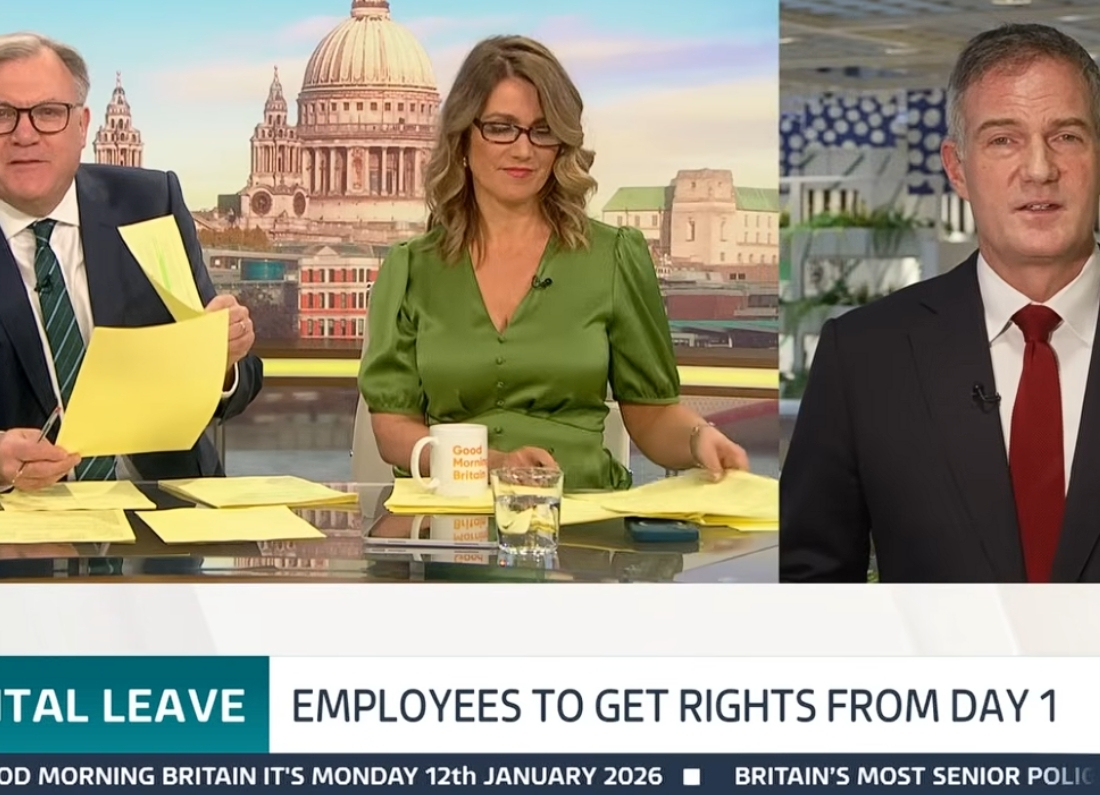
A tense exchange on breakfast television has reignited accusations that Labour has watered down a flagship workers’ rights promise, after a minister struggled to explain why a manifesto pledge on unfair dismissal is no longer being delivered “from day one”.
The clash came during a Good Morning Britain interview in which Peter Kyle defended reforms giving fathers the right to take unpaid parental leave from their first day in a new job, part of a wider package of changes set to begin from April.
But the conversation quickly shifted from parental leave to the government’s earlier pledge of day-one basic rights across multiple areas, including protection from unfair dismissal. Ed Balls pressed Kyle on why unfair dismissal had not been included on the same timetable, pointing to promises made in Labour’s manifesto and subsequent political commitments around “day one” protection.
🧾 The manifesto row and the six-month threshold
During the interview, Balls challenged the government’s position by contrasting new day-one parental and sick pay measures with what he said was a dropped commitment on unfair dismissal. Kyle responded by arguing that the policy had been brought forward from the previous system, where employees typically needed a much longer period of service before qualifying.
However, Susanna Reid intervened to dispute that framing, stating that the manifesto promise had been to introduce basic rights from day one, meaning the shift to a six-month threshold was a move away from what voters were told to expect.
The dispute reflects a wider political controversy that has followed the government since it confirmed it would not proceed with day-one unfair dismissal protection, instead reducing the qualifying period to six months. Ministers and supporters have argued this is still a major improvement on the previous two-year threshold, while critics say it amounts to a clear manifesto retreat.
🧠 Why the argument matters beyond the TV studio
Although the flashpoint was a combative studio exchange, the issue goes to the heart of how Labour is trying to balance its “making work pay” agenda with business concerns and legislative realities. The government has emphasised that other measures are moving ahead, including day-one rights related to parental leave and significant changes to statutory sick pay eligibility.
Critics, including some within the labour movement, argue that removing day-one unfair dismissal protection risks undermining confidence that promised protections will ever arrive. Unite general secretary Sharon Graham has previously warned that repeated rollbacks would damage workers’ trust in the delivery of reforms.
Supporters of the six-month threshold say the change was needed to secure progress on the wider bill and avoid a prolonged standoff that could have delayed other workplace reforms. The government’s defenders also argue that a shorter qualifying period still represents meaningful change for millions of workers compared with the previous legal baseline.
📅 What happens next for the reforms
The parental leave changes discussed in the interview are due to take effect from April, with government announcements stating that day-one rights will expand eligibility for both paternity leave and unpaid parental leave. The government has argued this will support working families and help parents who previously fell through gaps in eligibility rules.
The broader political dispute, however, is likely to continue. For Labour, the risk is that a highly public argument about “day one” rights becomes a shorthand accusation of broken promises, particularly when opponents can point to the simplest version of the pledge. For ministers, the challenge is to persuade voters that a six-month threshold is still a step forward while explaining why the original promise was not delivered as written.
For the government’s critics, the exchange on breakfast television offered a vivid example of the vulnerability of the policy shift: when ministers are pushed to reconcile a headline manifesto commitment with a revised legal timetable, the answers can land awkwardly, and the politics can move faster than the legislation.









Leave a Reply