

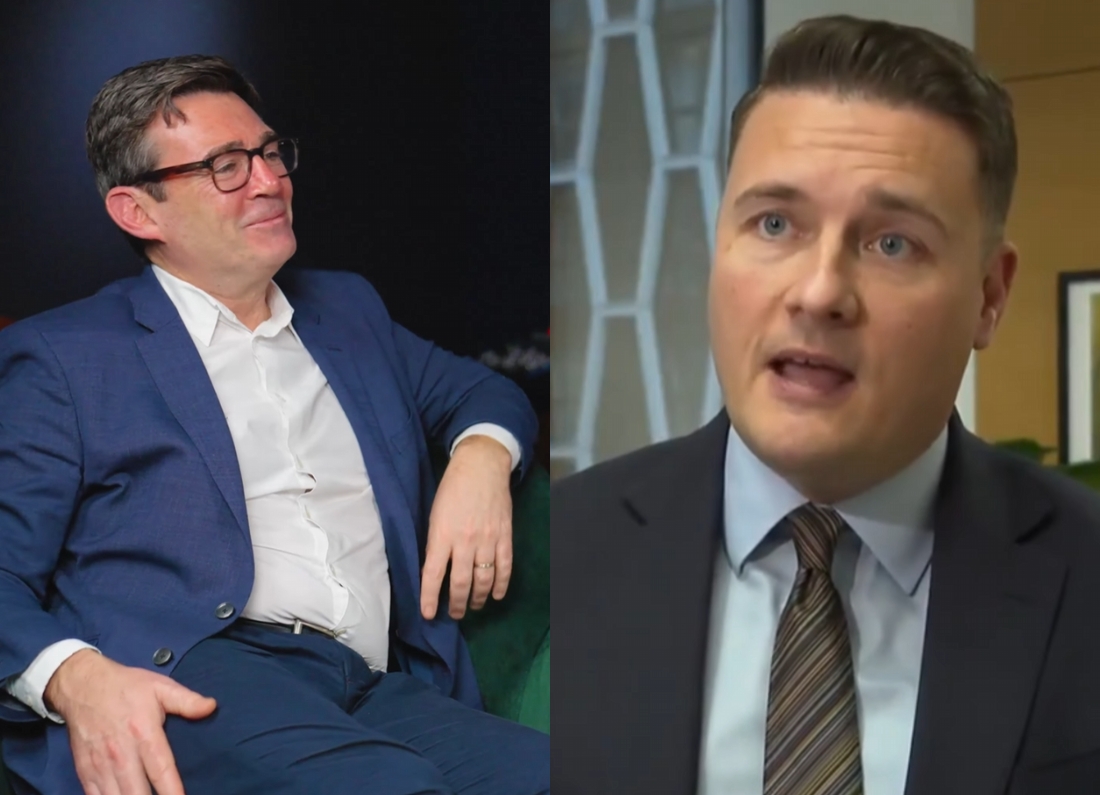
The Labour leadership battle that has been simmering for weeks broke into the open on Tuesday when Wes Streeting told reporters that Keir Starmer should set a timetable for standing down after Thursday’s Makerfield by-election – regardless of whether Andy Burnham wins.
“I hope the Prime Minister will at that stage reflect on his own position and set out a timetable,” Streeting said. “I think that would be a better way forward for everyone, and would enable that better culture that we aspire to.”
Starmer was at the G7 summit in France when the comments landed. His response was the response of a man who has heard this before. “So very many times on my political journey, people have said to me it’s not possible. They said it’s not possible to turn the Labour Party around. It’s not possible to win an election. Wrong every time. And that’s why I intend not to walk away from this, but to carry on with what I was elected to do, which is to serve this country, bring back the change that people desperately need in their lives.”
So that is where we are. Two days before the most significant by-election in recent Labour history, one of the most senior figures in the party is calling publicly for the Prime Minister’s departure and the Prime Minister is insisting, from a diplomatic summit in France, that he is staying.
Streeting was careful, as he usually is. He said he was there campaigning for Burnham in Makerfield the previous day. He said he very much hoped Burnham wins. He said the decision to trigger a formal challenge was not his to make. But he also said he has 80 Labour MPs prepared to back him in a leadership race, which is the number required to get onto the ballot paper, and that he has every intention of standing when a contest comes.
He diagnosed Labour’s problems with the specificity of a doctor doing a ward round: leadership, policy and culture. On culture: “There is a huge amount of talent on the front bench and the back bench of the parliamentary Labour Party. It isn’t used nearly well enough, and the divides between Labour’s different tribes are often overstated.”
There is something slightly pointed about a leadership candidate complaining that talent is going unused while the current leader is still in post. But Streeting’s discipline in this is notable. He is not calling for a coup. He is calling for a timetable. He is not saying Starmer should go now. He is saying that after Thursday, the sensible thing would be for the Prime Minister to indicate when he plans to go. This is a more cautious and arguably more effective position than a direct challenge, because it gives Starmer an off-ramp that looks voluntary rather than forced.
Whether Starmer takes it depends entirely on Thursday.
The economic pitch Streeting unveiled alongside his leadership positioning was designed to signal he is ready for government rather than just ready for a contest. He proposed emergency legislation to fast-track infrastructure development – data centres, nuclear power plants, wind farms, reservoirs, transport projects – by giving them “decision in principle” consent through Parliament, with environmental consultations happening afterwards rather than before.
As he put it: “If Parliament can act in days to save British Steel, it can act with urgency to save Britain’s future prosperity.”
The proposals also include recruiting 20,000 scientists, engineers and AI experts from overseas through a targeted high-skilled immigration route – a position that will raise eyebrows given Labour’s current political moment around migration, though Streeting is making a deliberate distinction between high-skilled economic migrants and wider immigration concerns. He also backed two stalled North Sea drilling projects, Rosebank and Jackdaw, arguing that tax receipts from oil and gas should fund cheaper energy measures including heat pumps and insulation.
This is not a budget. It is a campaign document. But it is a well-constructed one – a set of positions that are defensible as both economically serious and politically distinct from where the current Government is sitting. As we reported in our Healey resignation piece, the Government’s handling of defence spending and the Treasury’s caution has created a clear space for someone willing to argue for faster, bolder public investment. Streeting is trying to occupy it.
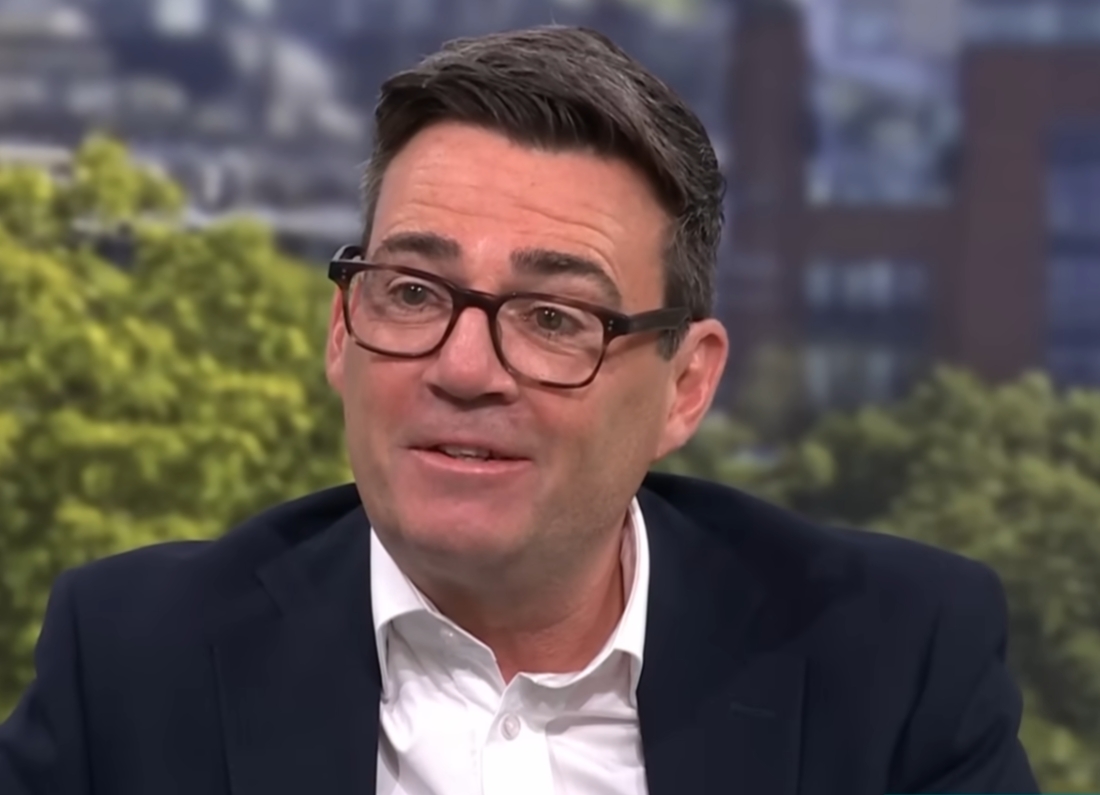
The timing, two days before Makerfield, is not an accident. As we reported in our Burnham Newsnight piece, Burnham’s pitch has been built around fiscal rules that are “exam conditions” – a willingness to rethink the Treasury orthodoxy that has constrained the current administration. He and Streeting are competing for the same political space from different starting positions. Burnham is campaigning. Streeting is speaking.
The working theory in both camps is that Thursday changes everything. If Burnham wins, the case for Starmer’s departure becomes harder to resist. If he loses, the case for both of them collapses somewhat. Streeting’s move on Tuesday is designed to ensure that whatever happens in Makerfield, he is already in the conversation.
Starmer’s response, delivered from the G7 summit grounds with the tone of someone who has made this speech before: “I intend to carry on.”
Thursday will tell us whether that intention survives the results.






Leave a Reply