Press freedom has fallen to its lowest level since records began, with more than half of the world’s countries now rated “difficult” or “very serious” by the annual Reporters Without Borders index – a threshold never previously crossed in the organisation’s 25-year history – as Donald Trump’s attacks on journalists are described as “a systematic policy” that has driven the United States down to 64th place in the global rankings.
For the first time in the Index’s 25-year history, more than half the world’s countries now fall into the “difficult” or “very serious” categories for press freedom. The average score for all 180 countries and territories worldwide has never been so low.
In 2002, the proportion of countries in the most severe categories stood at just 13.7%. In the same period, the share of the global population living in a country rated “good” for press freedom has collapsed from 20% to less than 1%.
The United States: from ‘fairly good’ to 64th
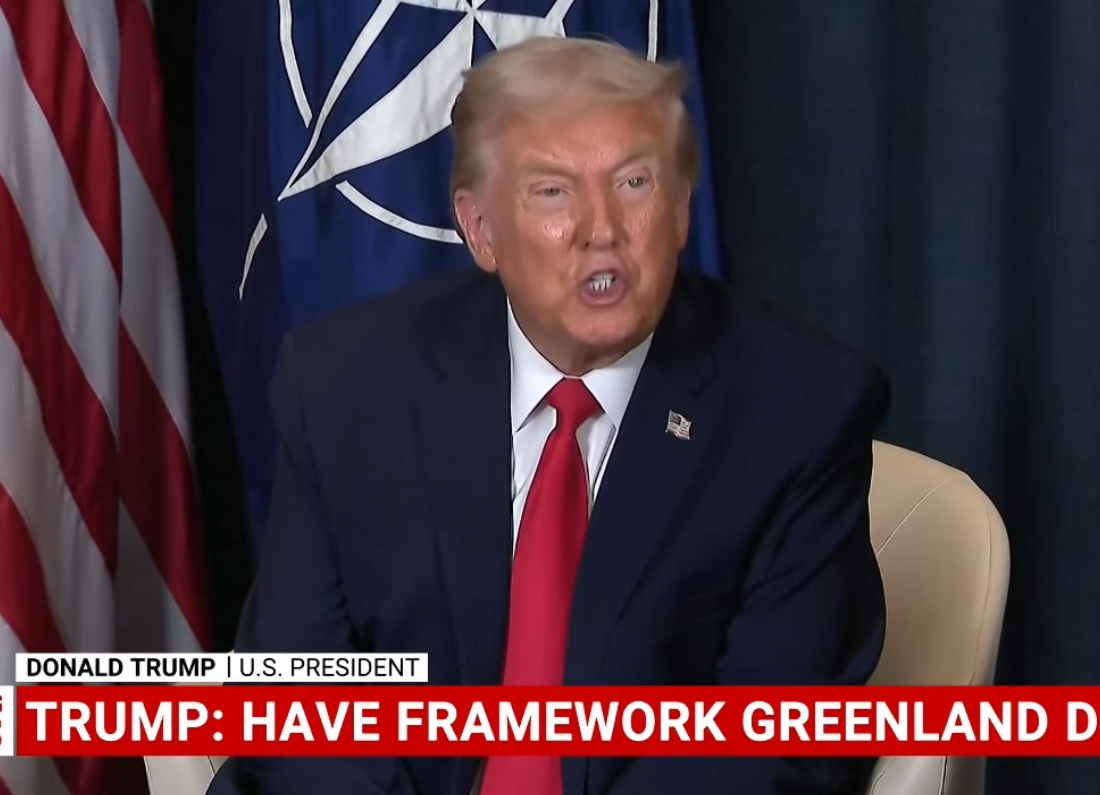
The United States has fallen seven places to 64th in the rankings – dropping from a “fairly good” situation before Trump’s re-election in 2024, to “problematic” and now continuing its descent.
Trump’s systematic attacks on the press have become entrenched policy, RSF found. Drastic cuts to the US Agency for Global Media led to the closure of international broadcasters including Voice of America and Radio Free Europe – organisations that have been broadcasting independent journalism to authoritarian countries for decades. The report also cites the detention and subsequent expulsion of Salvadoran journalist Mario Guevara, who had been documenting the arrest of migrants.
The United States – which helped establish the international norms around press freedom after World War Two and whose First Amendment was for generations cited as the gold standard for protecting journalists – now sits below Latvia, Namibia and Belize in the global rankings.
The legal crackdown – the sharpest decline of all indicators
Out of the five indicators RSF uses to assess press freedom – economic, legal, security, political and social environments for journalism – the legal indicator has seen the sharpest decline this year. Legal conditions have deteriorated in more than 60% of states – 110 out of 180 countries – between 2025 and 2026.
Since 2001, the expansion of increasingly restrictive legal arsenals – particularly those linked to national security policies – has been steadily eroding the right to information, even in democratic countries. The criminalisation of journalism is the defining trend of the 2026 index.
Vladimir Putin’s Russia, ranked 172nd, has become a specialist in using laws designed to combat terrorism, separatism and extremism to restrict press freedom. As of April 2026, the country held 48 journalists behind bars. News professionals who continue their work have been forced into exile – where they are still unable to escape legal persecution.
Saudi Arabia executes a journalist – and the Middle East picture
Saudi Arabia fell 14 places following the execution of journalist Turki al-Jasser in 2025 – a killing that drew condemnation from press freedom organisations globally. More than 220 journalists have been killed in Gaza since October 2023, making the Middle East and North Africa the region where the state of press freedom is most catastrophic, with 18 out of 19 countries classified as “very serious” or “difficult.”
RSF editorial director Anne Bocande said: “Current protection mechanisms are not strong enough. International law is being undermined and impunity is rife. We need firm guarantees and meaningful sanctions.”
The steepest fall – and the biggest improvement
The steepest decline in 2026 was in junta-led Niger, which fell 37 places to 120th – underscoring the wider decline in press freedom in the Sahel region as attacks by armed groups and ruling juntas have suppressed balanced information.
The brightest spot in an otherwise bleak picture was Syria. Post-Assad Syria has seen the biggest improvement in press freedom of all 180 countries and territories in the 2026 Index, climbing 36 places to 141st – a historic improvement following the fall of Bashar al-Assad’s government in late 2024. While the press freedom situation there remains “very serious,” scores for all five indicators are improving.
At the top – and the very bottom
Norway holds the top spot in the rankings for the tenth consecutive year. Eritrea comes last for the third straight year, at 180th – notably holding the world’s longest-detained journalists without trial, including Dawit Isaak. Only seven countries in Northern Europe fall into the “good” category for press freedom – and they represent less than 1% of the world’s population.
At the very bottom of the index are China, North Korea and Eritrea. China still ranks 178th and holds the highest number of detained journalists in the world, with 121 media professionals currently behind bars.
What this means for Britain
The UK has historically ranked in the mid-20s on the RSF index, with persistent concerns about media ownership concentration – three companies, News UK, Reach, and Daily Mail and General Trust, dominate the national print market – pressure on the BBC and the use of counter-terrorism powers against journalists entering the country. Its specific 2026 ranking was not confirmed at the time of publication, but the broader European picture RSF paints suggests ongoing pressure even on democracies that retain relatively strong press protections.
The collapse of press freedom globally matters for Britain not only in the abstract sense that a free press is a democratic value, but in the practical sense that British journalists operate internationally and British audiences depend on information from countries where those journalists are increasingly at risk. The closure of Voice of America and Radio Free Europe – US-funded broadcasters that provided independent journalism to authoritarian states – directly affects the information environment in Russia, Iran, China and dozens of other countries where the RSF data shows conditions are deteriorating fastest.
You may also like: King Charles tells a divided Congress that checks and balances still matter – and receives 22 standing ovations