

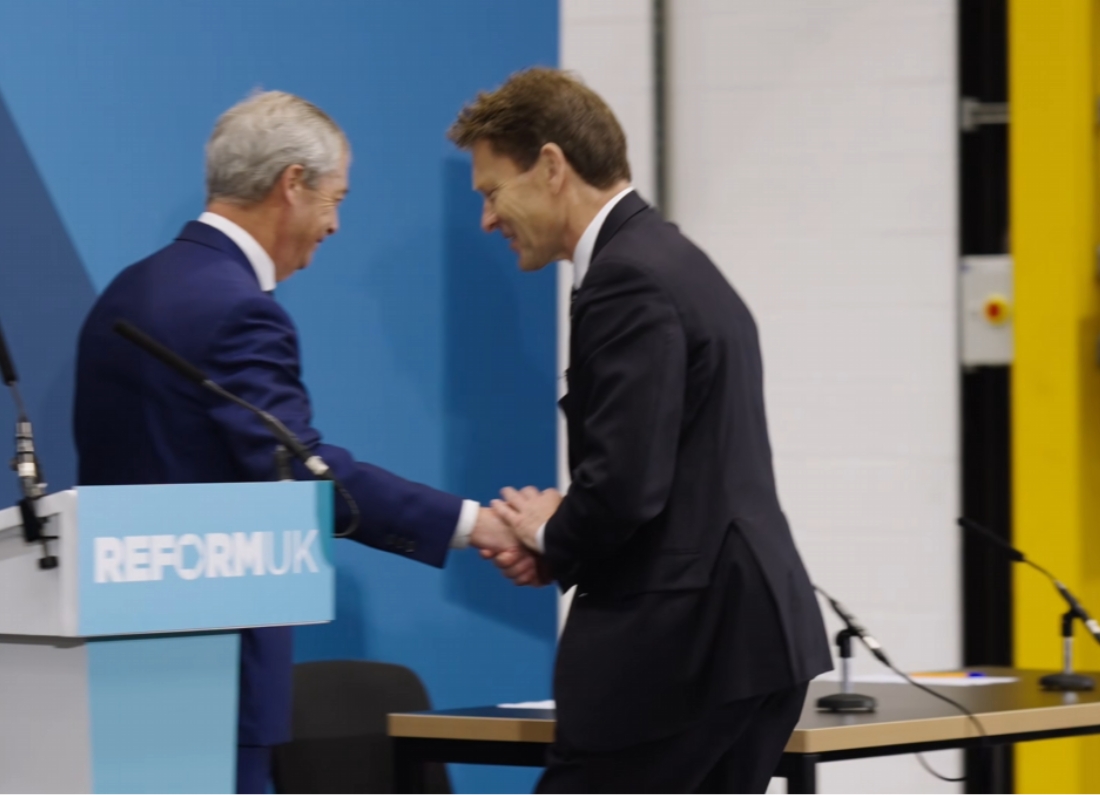
A new report has called for an immediate investigation into Reform UK’s relationship with the United Arab Emirates, documenting a series of meetings, funded visits and business connections involving Nigel Farage and other senior party figures.
FairSquare, a human rights research organisation, describes the links as “extensive and troubling” and argues that Reform is vulnerable to political influence from the Gulf state.
The report makes one important qualification clear. It has found no evidence that the UAE has funded Reform UK.
Its argument is about influence rather than proven unlawful donations: that Reform politicians have gained access to senior Emirati figures while publicly supporting policies aligned with the UAE government’s interests.
FairSquare wants the relationship examined by the government’s Defending Democracy Taskforce. It has also called for the UAE to be placed alongside Russia and Iran on the enhanced tier of Britain’s Foreign Influence Registration Scheme.
Farage received £10,000 trip to Abu Dhabi
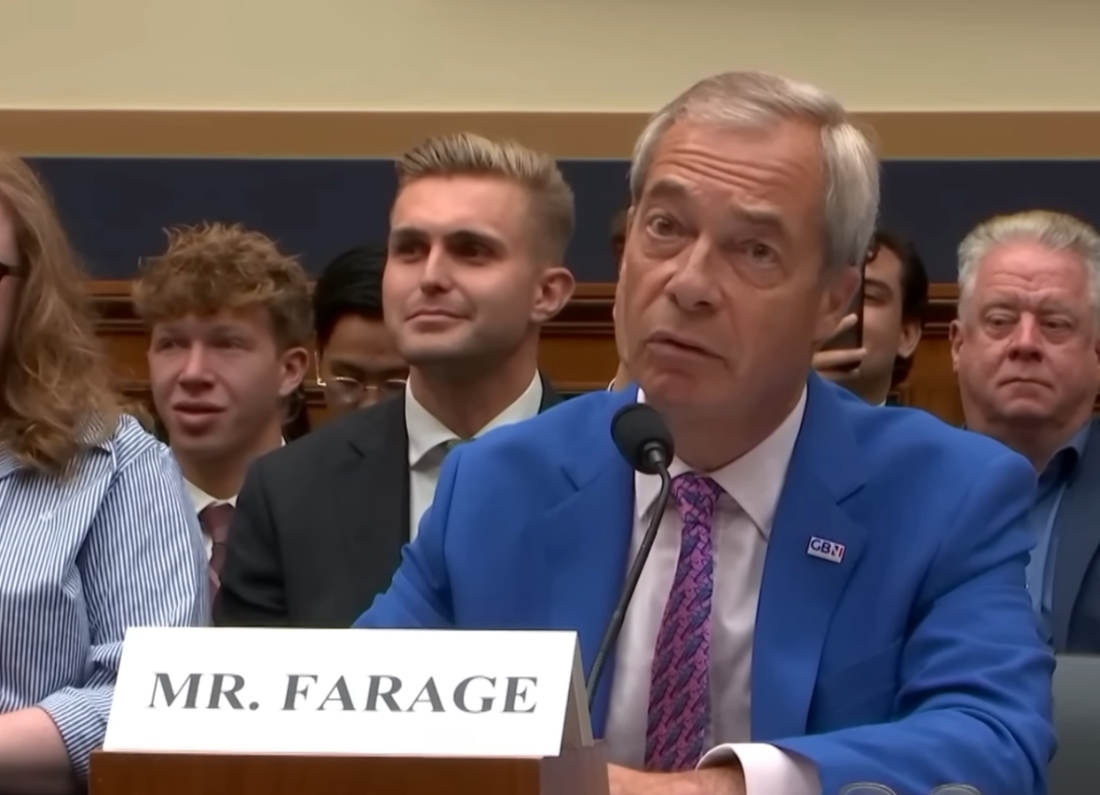
The report devotes particular attention to Farage’s meetings and travel.
In December 2025, Farage travelled to Abu Dhabi for the Formula One Grand Prix. His parliamentary register records £1,000 of accommodation provided by the Government of Abu Dhabi and two paddock passes valued at £9,000.
The stated purpose of the visit was to attend the race and hold meetings. The trip was registered later that month.
Farage returned to the UAE in January for a GB News anniversary event in Dubai attended by senior Emirati ministers, including Sultan Ahmed Al Jaber and Reem Al Hashimy.
During the visit, he interviewed Al Hashimy for GB News and delivered a speech praising the relationship between Britain and the UAE.
The relationship continued in May, when UAE foreign minister Sheikh Abdullah bin Zayed Al Nahyan met Farage during an official visit to London.
The UAE government said the pair discussed “strategic relations” and ways to strengthen them in pursuit of “mutual interests”. Its own account described Farage as a British parliamentarian, although he was not a member of the government or official UK delegation.
FairSquare describes that access as “remarkable”, particularly because the minister was in Britain for meetings with senior government figures.
Farage has previously defended the UAE publicly, including during the controversy surrounding the failed Abu Dhabi-backed takeover of the Telegraph.
Tice, Candy and Zahawi also have UAE connections
The report identifies links involving Reform deputy leader Richard Tice, party treasurer Nick Candy and former Conservative chancellor Nadhim Zahawi, who joined Reform in January.
Tice has visited the UAE for decades and regularly spends time in Dubai, where his partner Isabel Oakeshott lives.
In an interview with the Abu Dhabi-owned newspaper The National, Tice called the Muslim Brotherhood a terrorist organisation and argued for closer financial integration between Britain and the UAE.
He has also used parliamentary questions and speeches to press the British government on organisations the UAE claims are connected to the Brotherhood.
Speaking from Dubai in March, Tice criticised the British government’s foreign policy and said he had travelled partly to show “solidarity with our friends and allies and partners here in the UAE”.
Candy’s company has its own commercial relationship with Modon Holding, an Abu Dhabi property developer. In October 2024, the companies announced an agreement to explore luxury property developments at the Ras El Hekma project in Egypt.
Modon is chaired by Jassem Mohammed Bu Ataba Al Zaabi, who also sits on the board of the UAE’s state-owned oil company ADNOC. Modon’s announcement described the arrangement with Candy International as a memorandum of understanding rather than a completed investment.
Zahawi sits on the board of trustees of Abu Dhabi’s Anwar Gargash Diplomatic Academy. FairSquare also points to his chairmanship of the advisory board at Omniyat, a Dubai property developer, and his reported relationships with members of the UAE’s ruling family.
None of those connections is evidence of wrongdoing. FairSquare’s case is that their combined extent warrants more scrutiny than they have received.
Fossil fuels and the Muslim Brotherhood
The report identifies two areas where Reform’s policies closely match the UAE’s interests.
The first is fossil fuels.
Oil and gas remain central to the Emirati economy and government finances. Reform has promised to expand domestic extraction, support new drilling and scrap subsidies for renewable energy.
DeSmog has separately reported that Reform received more than £24 million from donors with interests in fossil fuels, although that does not mean the money came from the UAE.
The second area is the Muslim Brotherhood.
The organisation is banned in the UAE, whose government views political Islam as a threat to its ruling system. Emirati officials have repeatedly urged Western governments to proscribe the group.
Farage pledged in September 2025 that a Reform government would ban the Muslim Brotherhood in Britain. Tice and Reform’s London mayoral candidate Laila Cunningham have also spoken publicly about the organisation.
FairSquare argues that this policy overlap has helped create an alliance between two otherwise unlikely partners: a British party built partly around opposition to immigration and an Emirati government that presents itself as a defender of Islam while repressing political opposition.
The report claims Reform has become “an asset that the UAE has used to advance its agenda”, but does not use the word in the sense of a paid agent. It says there is no evidence of UAE funding.
Why FairSquare wants a formal investigation
The UAE is an important commercial and security partner for Britain, with substantial investments across property, infrastructure and sport.
It is also an authoritarian state with no elected national government or legal political parties. Human rights organisations have documented the imprisonment of critics, unequal treatment of women and widespread abuses involving migrant workers.
FairSquare’s report also raises the UAE’s treatment of British academic Matthew Hedges, who said he was tortured after being detained and convicted of spying in 2018. He was later pardoned.
The organisation argues that Emirati attempts to influence politics abroad must be understood against that record.
Its report cites alleged UAE interventions in Sudan, Egypt and Libya, as well as relationships with political figures including Donald Trump, Marine Le Pen and Viktor Orbán.
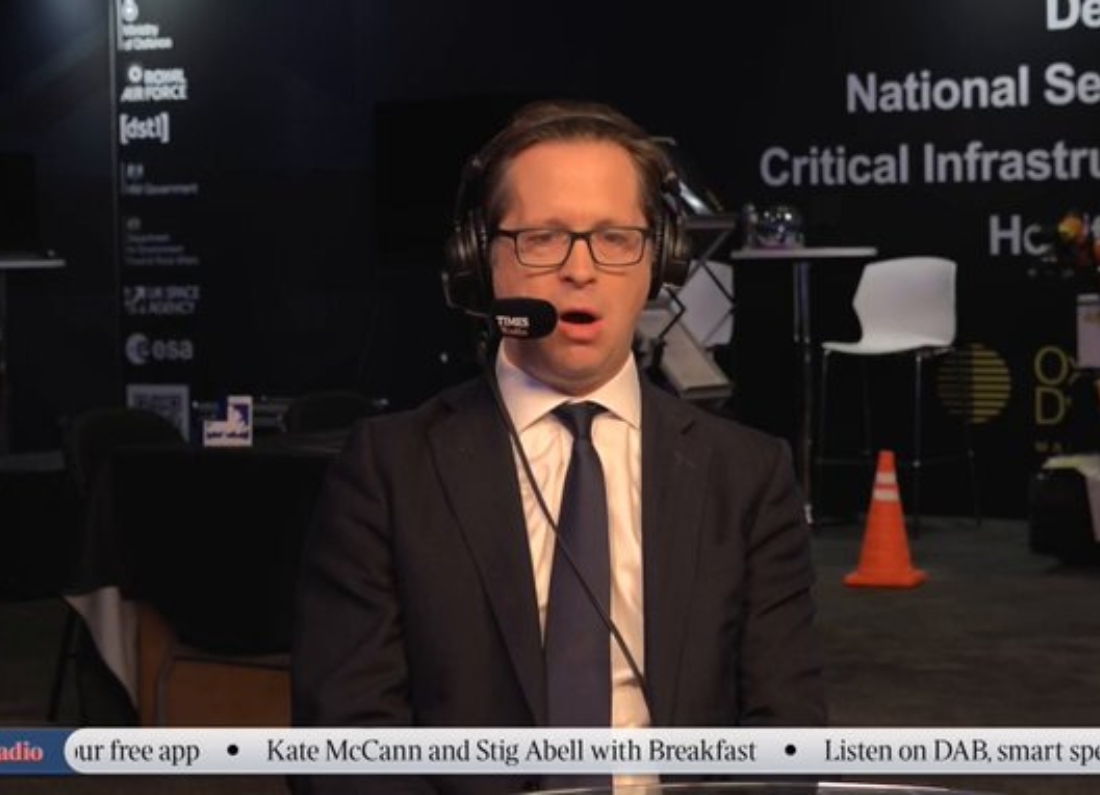
FairSquare research manager Alex Carlen said:
“The government cannot be naïve about the threat that this poses.”
The organisation wants the Defending Democracy Taskforce to examine the UAE’s contacts with Reform and other right-wing organisations.
It also wants the Gulf state added to the enhanced tier of the Foreign Influence Registration Scheme. Anyone directed by a listed foreign power to undertake relevant activities in Britain can be required to register those arrangements.
Only Russia and Iran are currently included on that tier.
FairSquare’s research was supported by the Joseph Rowntree Reform Trust, although the report says its findings and opinions belong to its authors.
No evidence of UAE funding
The absence of evidence showing that the UAE has funded Reform is not a minor detail. It is the line between documented political relationships and an allegation of covert financial support.
The new report does not establish that Reform has broken electoral law, accepted money from the Emirati government or acted under instructions from a foreign power.
It instead assembles a pattern of access, commercial relationships and shared political objectives, then argues that the government should investigate whether anything more lies behind it.
The report arrives while Reform is already facing scrutiny over separate political funding allegations. The Metropolitan Police is investigating whether potential offences were committed following an undercover operation involving supposed American donors.
Reform denies wrongdoing in that case, which has no established connection to the UAE. Our full account of the foreign-donations investigation is here.
This latest controversy asks a different question. Why has the government not examined an increasingly close relationship between a British political party and an authoritarian state with clear commercial and political interests in the UK?
FairSquare believes there is now enough evidence to warrant an answer.



Leave a Reply