


Britain will deploy an RAF Voyager aircraft to refuel Saudi fighter jets as the kingdom steps up military operations against Houthi forces in Yemen.
Prime Minister Andy Burnham approved the Saudi request on the advice of the defence and foreign secretaries. The aircraft is expected to operate from RAF Akrotiri in Cyprus for several weeks, although the deployment will be kept under review.
It is Burnham’s first military deployment since entering Downing Street.
“We have received a request from the Kingdom of Saudi Arabia for military support,” Burnham told reporters while travelling to the United Nations General Assembly in New York.
He described the assistance as “defensive air-to-air refuelling” intended to protect Saudi Arabia and maintain the flow of oil through the region. One Voyager aircraft will be deployed in the coming days.
The decision comes after Houthi forces launched missiles and drones at Saudi cities, airports, military sites and energy infrastructure. An attack on the western city of Taif killed a Yemeni civilian after an intercepted drone scattered debris, according to Saudi authorities.
Riyadh was also targeted by Houthi missiles on Saturday, although the Saudi government has not publicly commented on the reported strike.
Saudi jets are already bombing Yemen
The RAF will not carry out the strikes. Its Voyager will provide fuel to Saudi aircraft, allowing them to remain airborne for longer.
That still makes Britain part of the operation supporting the Saudi air campaign.
Saudi Arabia has launched hundreds of strikes against Houthi positions in recent days, according to the group. Houthi forces have meanwhile continued an offensive that has given them control of Yemen’s Red Sea coast and territory around the Bab al-Mandab strait.
Nearly 700 people have been killed in the latest fighting, according to the United Nations. Almost 130,000 have been displaced inside Yemen, while more than 3,000 have crossed the Red Sea by boat to escape.
The British government has not publicly set out whether RAF refuelling will be restricted to Saudi airspace, which Saudi missions will be eligible for support or what safeguards will prevent British assistance being used in strikes that cause civilian casualties.
Downing Street has repeatedly described the deployment as defensive.
The distinction is politically important. Saudi Arabia’s intervention in Yemen, which began in 2015, was heavily criticised over civilian deaths caused by airstrikes. British-built Typhoon aircraft, missiles and bombs have previously been used by Saudi forces in the conflict.
Burnham links military deployment to energy prices
Burnham said the decision was also intended to protect Britain from further rises in oil and energy prices.
The Houthis’ advance threatens the Bab al-Mandab, the narrow entrance to the Red Sea used by ships travelling between the Indian Ocean and the Suez Canal.
Saudi Arabia has relied more heavily on its Red Sea export route while shipping through the Strait of Hormuz has been severely disrupted by the war involving Iran, Israel and the United States.
The Saudi East-West pipeline carries oil to Yanbu on the Red Sea coast, allowing some exports to avoid Hormuz. Houthi control close to the Bab al-Mandab now places that alternative route under greater threat.
Saudi exports through Hormuz have already risen from around 700,000 barrels a day in August to 2.9 million barrels a day, despite the risks to tankers. Oil prices approached $110 a barrel last week before falling closer to $100.
Burnham said keeping the routes open was necessary to address “cost of living pressures” and protect British interests.
The turmoil has raised inflationary pressure in the UK and pushed up government borrowing costs ahead of the new administration’s first Budget.
UK military support in Saudi Arabia expands
The Voyager deployment is not Britain’s only military commitment to the kingdom.
The UK has already stationed its Sky Sabre air defence system in Saudi Arabia following Iranian missile attacks earlier this year. The system is designed to detect and destroy incoming missiles, drones and aircraft.
Britain and Saudi Arabia have maintained close defence ties for decades. The UK is one of the kingdom’s largest arms suppliers and supports Saudi military aircraft through training, maintenance and long-term defence agreements.
The latest deployment moves British involvement closer to the renewed fighting in Yemen, even if RAF crews will not directly select targets or drop weapons.
The Foreign Office had already declared that Britain “stand[s] firmly with Saudi Arabia” after the Houthis threatened further attacks and a maritime blockade in July. It accused the group of endangering navigation in the Red Sea and undermining attempts to secure peace in Yemen.
Britain backs Saudi Arabia while urging Trump to step back
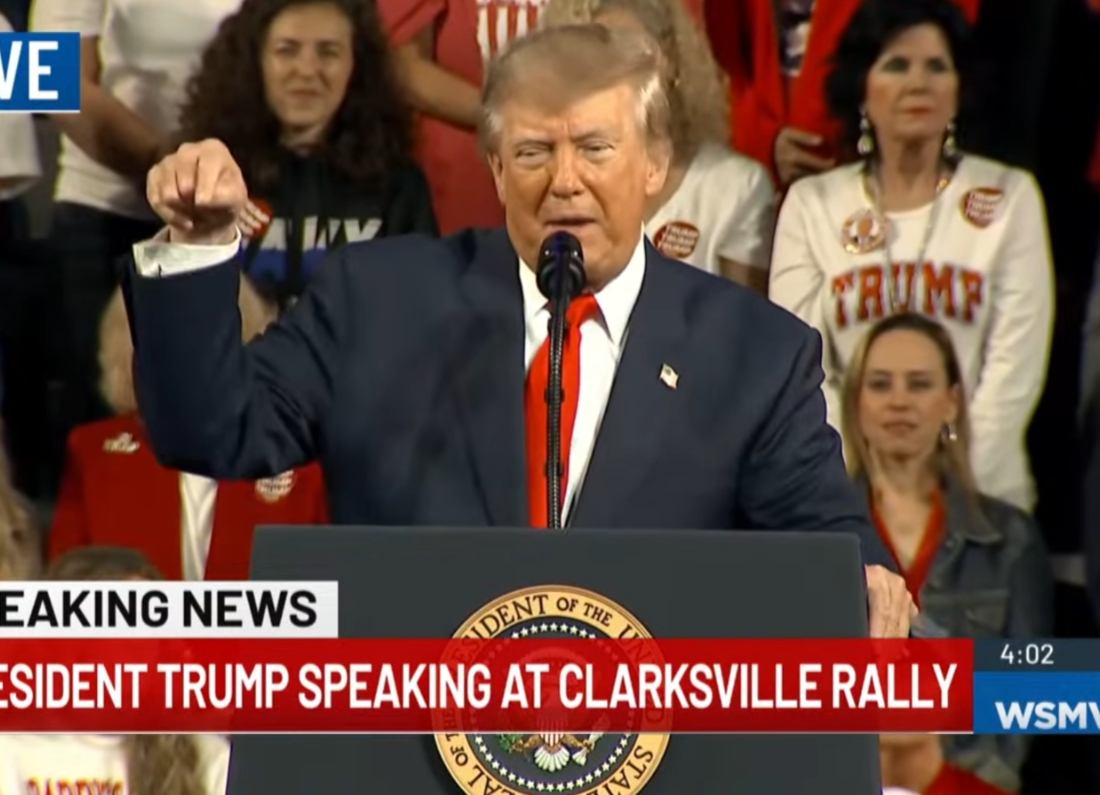
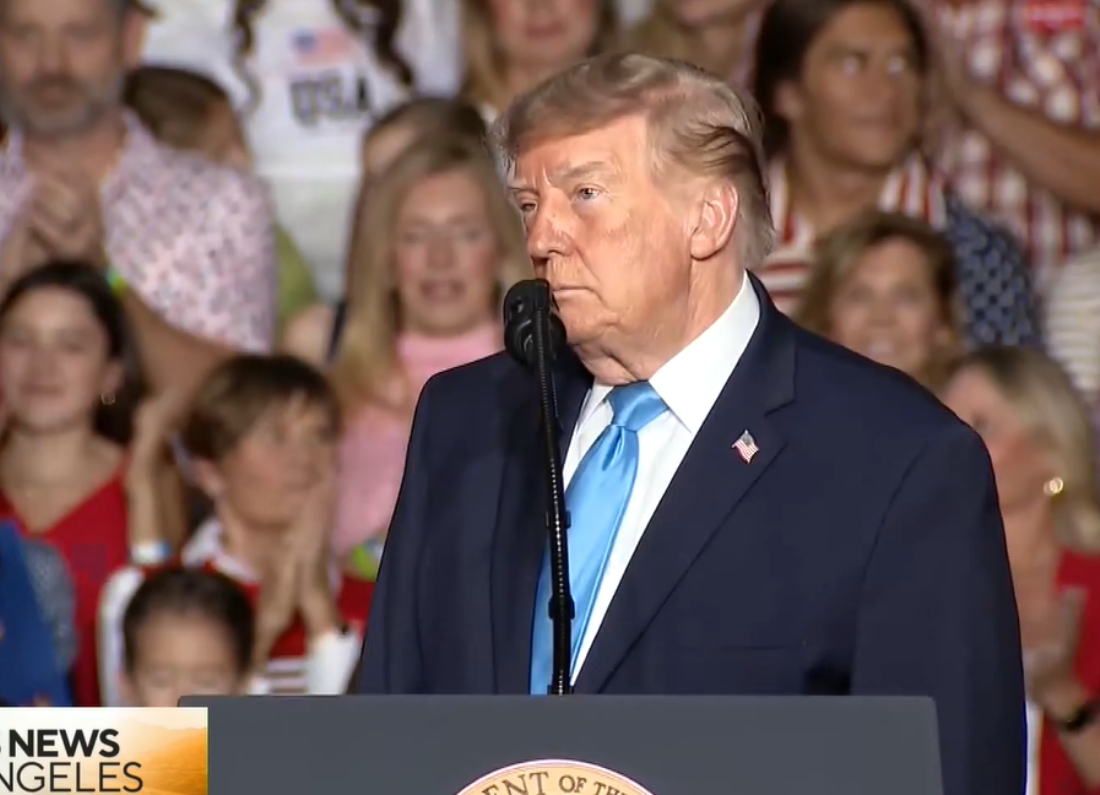
Burnham is expected to raise the wider Middle East war during his first face-to-face meeting with Donald Trump.
The prime minister wants Trump to de-escalate US military action against Iran, which he blames for spreading instability and disrupting energy supplies.
The United States has so far resisted Saudi requests to intervene directly against the Houthis. Trump reportedly cancelled planned American airstrikes at the last minute on Sunday, although Reuters said it could not independently verify that account.
Burnham therefore arrives in New York with a difficult message: Britain is supporting Saudi military aircraft against an Iranian-backed group while asking Washington to reduce the wider conflict with Iran.
He said the government wanted the fighting brought to an end as quickly as possible and warned that the “dark clouds of global instability” were directly affecting households in Britain.
The Voyager mission may have been announced as a short deployment. Its duration, and Britain’s precise role in the Saudi campaign, will depend on how far the fighting spreads.








Leave a Reply