

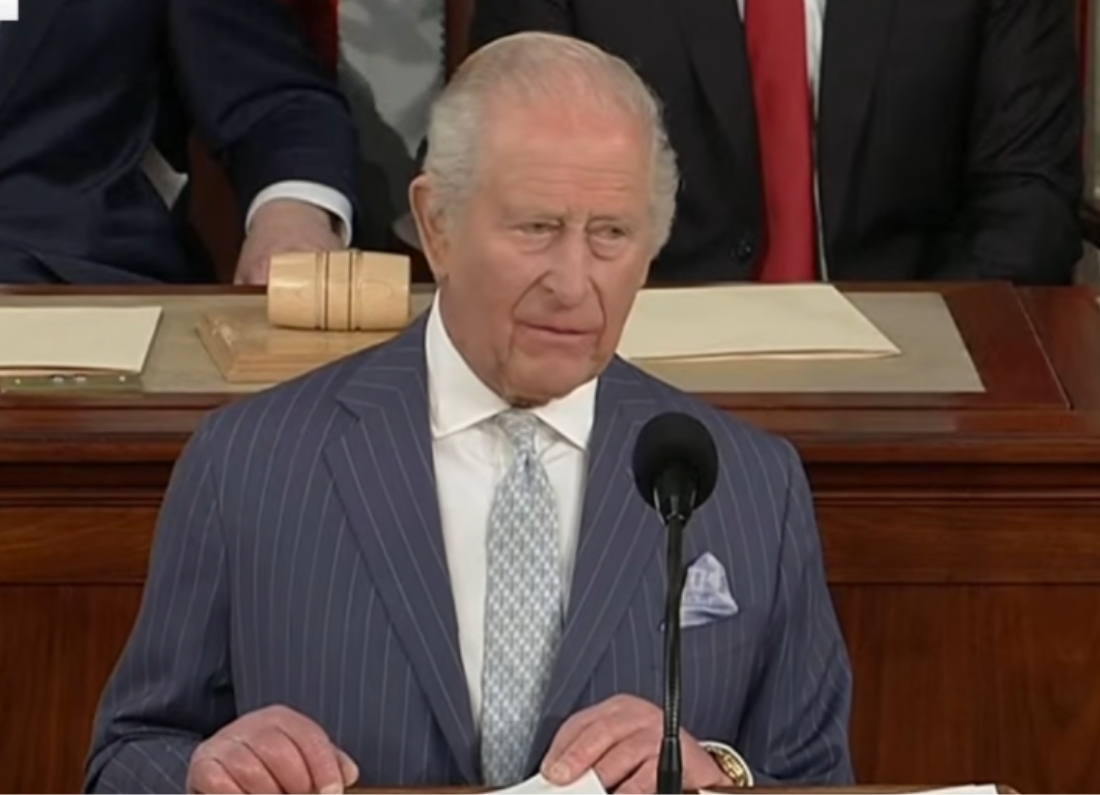
Buckingham Palace has challenged a claim by Princess Diana’s brother that King Charles said she would soon be forgotten in the days after her death.
Charles Spencer makes the allegation in his forthcoming book, Swan Song: Diana, My Sister. He says the remark came during an angry telephone call about plans for Prince William and Prince Harry to walk behind their mother’s coffin.
According to an extract reported by Reuters, Spencer recalls the then-Prince Charles telling him: “Rest assured, we’ll forget her soon enough.”
A Buckingham Palace spokesperson disputed Spencer’s recollection, saying that “the pain of fraternal grief can cloud reason, affect judgment and colour memory”. The palace said it does not normally comment on books.
The argument over William and Harry
Diana died in a car crash in Paris on 31 August 1997. William was 15 and Harry was 12. In the days before her funeral, Spencer says he objected to plans for the boys to join the procession behind her coffin.
He believed Diana would not have wanted her sons put through it. Spencer writes that he first raised his objection with senior palace aides. Charles then called him, and the disagreement grew heated.
Spencer says Charles referred to having walked in the funeral procession for his great-uncle Lord Mountbatten. After a pause in the conversation, Spencer alleges, Charles made the remark about Diana being forgotten. He describes it in the book as an expression of “pent-up contempt” for his former wife. The account comes from an extract published by the Daily Mail and reported by ABC News.
William and Harry did walk behind the coffin on 6 September 1997, alongside their father, grandfather Prince Philip and uncle Charles Spencer. The image became one of the most remembered from Diana’s funeral.
The brothers have since spoken about that decision. In the 2017 BBC documentary Diana, 7 Days, William described it as a collective family decision and one of the hardest things he had done. Harry said that, looking back, he was glad to have been part of it. Their later reflections do not change Spencer’s account of the objection he says he raised at the time.
The palace’s response
The palace did not leave the allegation unanswered. Its statement said the King was mindful that grief after the loss of a sibling could affect someone’s judgement and memory, even many years later.
It is an unusually personal response to a book about the royal family. It does not offer a different account of the telephone call or say precisely what Charles recalls saying. It challenges Spencer’s memory of it.
Spencer, for his part, places the alleged remark within his account of the funeral dispute. The call took place almost 29 years ago and neither man’s version is accompanied in the published reports by a recording or contemporary transcript.
Diana and Charles had divorced in 1996, a year before her death. Their marriage and its breakdown were intensely public, but this particular conversation had remained between the two men until Spencer chose to recount it in print.
Why Spencer has written the book
Spencer has said he wants to tell Diana’s story from the perspective of someone who grew up with her. On his website, he describes Swan Song as an account of their lives together and the week of her death.
The book is due to be published on 22 September, according to Penguin Random House. More extracts are expected before its release.
For now, its most contentious claim rests on Spencer’s recollection of that call. The palace has made its disagreement public. Neither side has produced an independent record of the exchange.






Leave a Reply