


Canada’s finance minister has called for Britain, Canada and the European Union to form a closer economic partnership as Donald Trump’s trade policies force longstanding allies to reconsider their reliance on the United States.
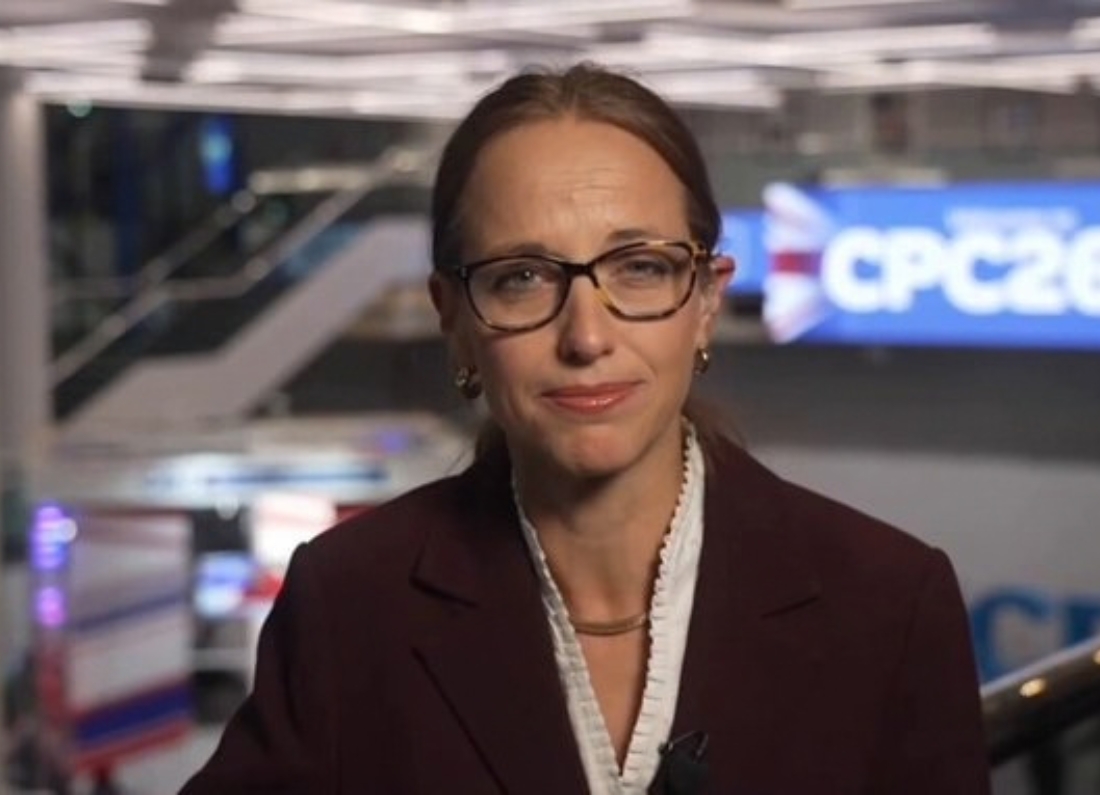
François-Philippe Champagne said the three should “team up”, arguing that Britain and Canada shared values and a similar view of the international order.
“We are independent and sovereign, but we are stronger together,” he told The Independent.
Champagne added:
“The world has changed. America has changed. So we need to change.”
His intervention comes days after Canadian Prime Minister Mark Carney welcomed an EU proposal to explore an unprecedented “associate membership” arrangement with Canada.
The proposal remains undefined and Canada is not seeking full EU membership. It could, however, lead to much closer cooperation on trade, defence, energy, artificial intelligence, critical minerals and supply chains.
Canada looks beyond the United States
Canada sends more than 70 per cent of its exports to the United States, leaving its economy particularly exposed to decisions taken in Washington.
That dependence has become a serious political problem since Trump imposed 50 per cent tariffs on around $20 billion of Canadian goods. Ottawa has responded with counter-tariffs while trying to build stronger relationships elsewhere.
Champagne has described Canada as a trusted “transatlantic partner of choice” and said countries including Britain and EU members could work together on energy, stronger supply chains and shared institutions.
Carney has set Canada the target of doubling its non-US trade over the next decade. His government has pursued agreements with India and the United Arab Emirates while reopening questions about Canada’s economic and security relationship with Europe.
The intention is not to replace the United States entirely. Canada’s geography and the scale of cross-border trade make that unrealistic. The aim is to ensure Washington can no longer use Canada’s dependence on the American market as easily as political leverage.
What would EU ‘associate membership’ mean?
European Commission president Ursula von der Leyen has offered to explore making Canada the EU’s first associate member.
The difficulty is that no such status currently exists.
Canada cannot become a full EU member under the bloc’s existing treaties, which restrict membership to European countries. An associate arrangement would therefore have to be created, negotiated and approved by all 27 member states.
Possible areas of cooperation include defence procurement, critical minerals, digital trade, energy, space technology, research and the movement of workers and students.
Canada already has a trade agreement with the EU through CETA, which has been provisionally applied since 2017. The new proposal is intended to go beyond tariff reductions and create a broader political and economic partnership.
Some EU governments have been cautious. Diplomats have questioned whether Canada should receive preferential access without accepting the financial contributions, regulatory alignment and legal obligations associated with EU membership.
A Canada-EU summit in Montreal next month is expected to begin putting substance behind the announcement.
Trump has already threatened to reduce trade with Europe if he considers the Canadian partnership a hostile act.
Von der Leyen insists the proposal is not directed against another country. That may be its stated position, but the renewed push for cooperation is plainly being driven by governments asking how much they can still rely on Washington.
Champagne wants Britain involved
Champagne’s comments bring Britain directly into that discussion.
The UK and Canada established an economic and trade working group in 2025 covering digital trade, critical minerals and artificial intelligence. They have also sought closer defence cooperation.
Britain joined the Comprehensive and Progressive Agreement for Trans-Pacific Partnership, which includes Canada, and the two countries continue to trade under an agreement inherited from the deal Canada previously had with the UK as an EU member.
Canada has also applied to join a British-led military partnership involving northern European countries and is inviting the UK to help establish a new international defence bank.
The foundations for a closer relationship therefore already exist. Champagne’s proposal would place those links inside something larger: a group of democratic economies trying to protect themselves from pressure by the United States, China and Russia.
A Reuters analysis of Carney’s plans suggested that the emerging Canada-EU alliance could eventually provide a model for a wider partnership involving Britain, Australia and Ukraine.
A new Brexit question for Burnham
For Andy Burnham’s government, the Canadian proposal arrives at an awkward but potentially useful moment.
Burnham wants a deeper economic relationship with Brussels while maintaining that Britain will not immediately rejoin the EU, single market or customs union.
An alliance involving Canada could offer Britain another route into closer European cooperation without requiring the government to reopen the full membership question.
It would not remove the trade barriers created by Brexit. Nor would it provide the same access as membership of the single market. But joint work on defence, energy, technology and critical minerals could give Britain a formal place within the network of “middle powers” Carney is trying to build.
The political pressure for a more ambitious European policy is already growing. New polling found that EU membership was the most popular option for Britain’s future relationship with Europe in 628 of 632 constituencies.
Burnham has so far chosen closer cooperation without committing to rejoining. Champagne’s intervention strengthens the argument that Britain must decide not simply how close it wants to be to Europe, but where it intends to sit in a world where the old relationship with America can no longer be taken for granted.
Carney made that case during his recent address to the European Parliament, where he received a standing ovation after backing closer ties despite Trump’s tariff threat.
Champagne has now made the invitation to Britain explicit.






Leave a Reply